Key facts
- New guidance mandates 80 hours of work per month for able-bodied Medicaid enrollees aged 19-64.
- The Medicaid work requirement policy takes effect on January 1, 2027.
- The Trump administration is providing $200 million in grants to states for Medicaid work requirement initiatives.
- Approximately 8,000 federal employees are moved into 'at-will' employment under Schedule F.
- Rebates for switching to electric appliances are no longer available.
- Major student loan changes impacting repayment terms and forgiveness programs take effect on July 1.
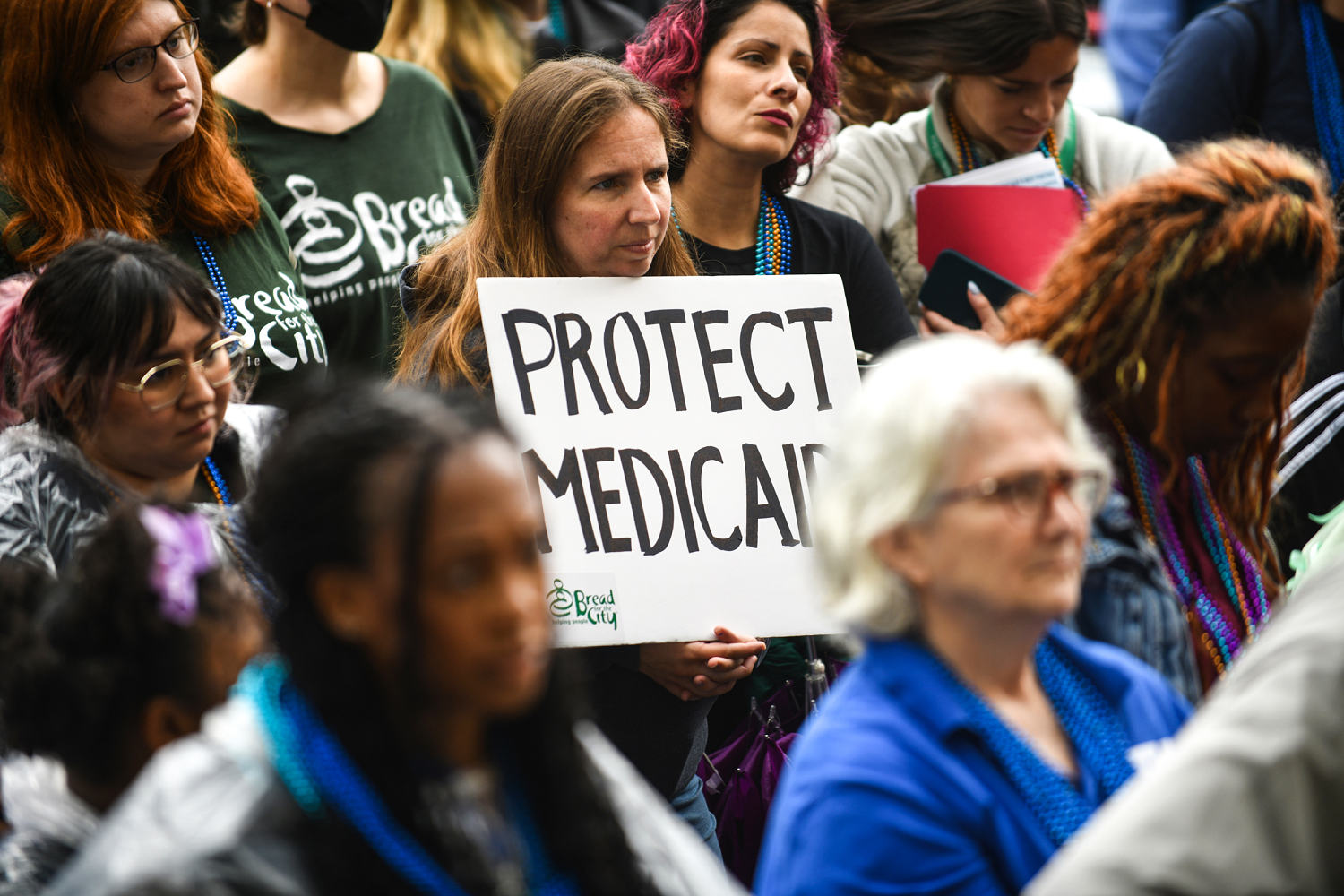
- Protests target over $1 trillion in proposed healthcare cuts from the "One Big Beautiful Bill Act."
- The "One Big Beautiful Bill Act" was signed into law on July 4.
- Hawaii's Medicaid Fraud Control Unit has had approximately $3 million in annual federal funding halted.
- A voluntary framework for federal vetting of advanced AI systems' national security risks is established.
- Nearly 5 million Americans have lost food aid since the start of Donald Trump's second administration.
- Georgia saw over 640,000 fewer SNAP recipients.
The Trump administration is enacting a series of sweeping policy changes affecting millions of Americans, with new rules on Medicaid work requirements, federal employment, and healthcare funding. The Centers for Medicare & Medicaid Services (CMS) has issued new guidance mandating that able-bodied Medicaid enrollees aged 19-64 must work 80 hours per month to maintain eligibility, a policy set to take effect on January 1, 2027. This initiative is accompanied by $200 million in grants allocated to states to support the transition. The National Alliance on Mental Illness (NAMI) has voiced strong concerns, warning that these work reporting requirements could lead to significant coverage losses for individuals with mental illness. The Allergy & Asthma Network also commented on the interim final rule, highlighting potential impacts on beneficiaries.
In parallel, President Trump signed an executive order establishing a new employment classification, Schedule F, which moves approximately 8,000 federal employees into 'at-will' employment. These policy-focused roles, some with salaries up to $200,000, will no longer have traditional job protections, a move criticized for potentially turning career employees into political appointees. President Trump also instructed acting Director of National Intelligence Bill Pulte to reduce the size of the intelligence community, including the Office of the Director of National Intelligence (ODNI), which Trump deemed "unnecessary and/or too big." This directive occurred as the Senate blocked a FISA provision extension.
Further policy shifts include the termination of rebates for switching to electric appliances, a program established by the 2022 Inflation Reduction Act, following updated guidance from the Energy Department. Major student loan changes are also slated to take effect on July 1, impacting borrowers' repayment terms and forgiveness programs. The Trump administration has halted approximately $3 million in annual federal funding to Hawaii's Medicaid Fraud Control Unit, with the U.S. Department of Health and Human Services Inspector General citing a lack of criminal indictments or convictions for Medicaid fraud or patient abuse between 2022 and 2025 for denial of federal certification.
These actions are occurring amidst significant public opposition and proposed legislation. Nationwide protests and vigils target over $1 trillion in proposed healthcare cuts stemming from President Trump's "One Big Beautiful Bill Act," signed into law on July 4. This legislation affects Medicaid, Medicare, public health programs, and hospitals. Celebrities like Lin-Manuel Miranda and Noah Wyle are supporting the "Seven Days in June" event. CalFresh eligibility rules in California are also changing due to this act. Experts are also warning that proposed tax legislation from Donald Trump may contain a 'double taxation' trap for high earners, with new guidance suggesting income held in trusts could be taxed twice. Separately, President Trump signed an executive order establishing a voluntary framework for federal vetting of advanced AI systems' national security risks for up to 30 days before public release, aiming to balance innovation with security.
These developments follow a trend of reduced access to government assistance programs. Approximately 5 million Americans have lost access to food assistance programs since the start of Donald Trump's second administration, with Georgia seeing the most significant decline, over 640,000 fewer SNAP recipients. The administration's actions are broad, impacting diverse areas from social safety nets to national security and technological development.