Key facts
- New guidance mandates 80 hours of work per month for able-bodied Medicaid enrollees aged 19-64.
- The new Medicaid work requirement rules take effect January 1, 2027.
- The Centers for Medicare & Medicaid Services (CMS) issued the guidance on Medicaid work requirements.
- Approximately 8,000 federal employees are moved into 'at-will' employment under Schedule F.
- President Trump signed an executive order creating the Schedule F classification.
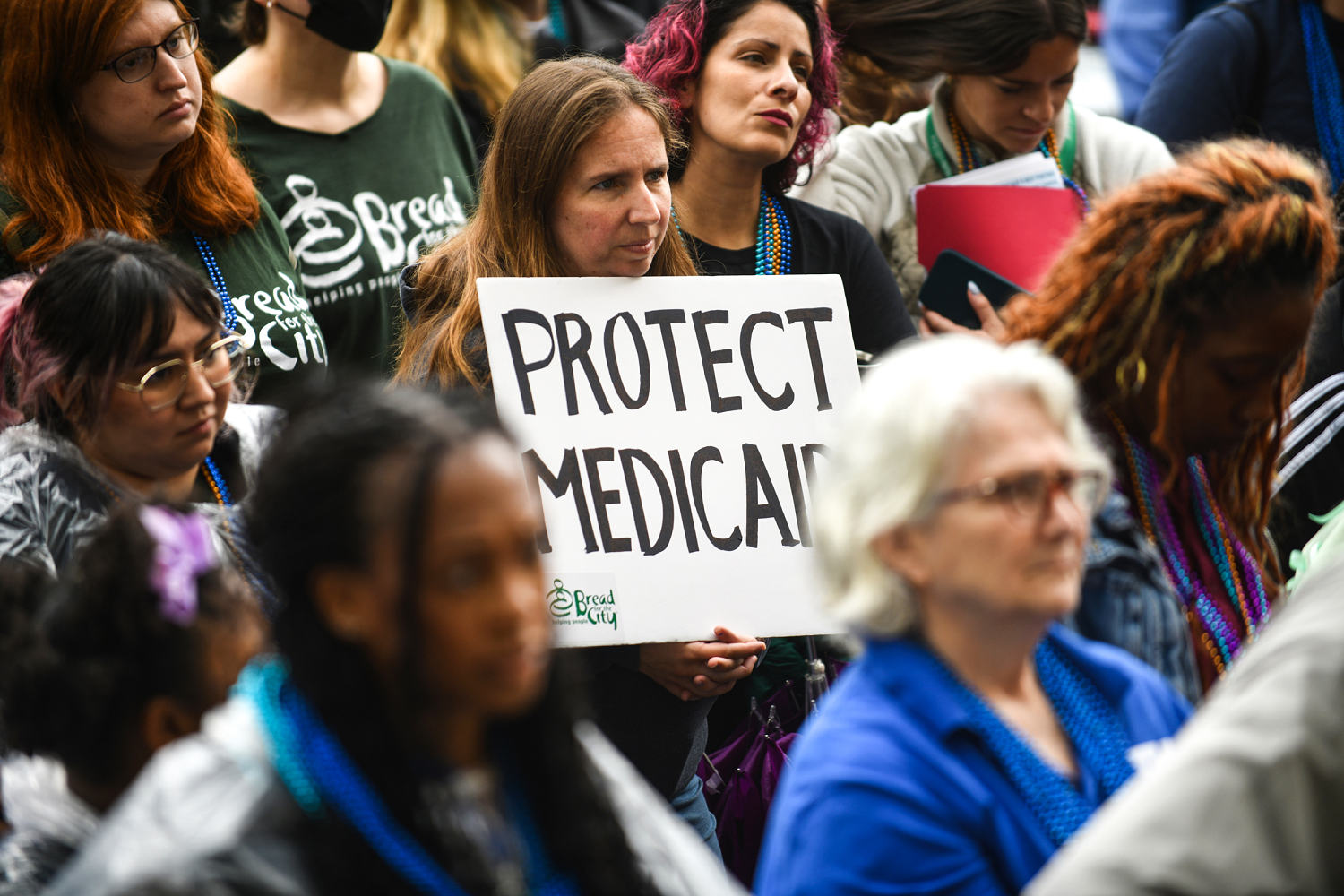
- Nationwide protests target over $1 trillion in healthcare cuts from the "One Big Beautiful Bill Act."
- The "One Big Beautiful Bill Act" was signed into law on July 4.
- Approximately 5 million Americans have lost access to food assistance programs since the start of Trump's second administration.
- Rebates for switching to electric appliances are no longer available.
- New rules for student loan repayment and forgiveness programs take effect July 1.
The Trump administration is enacting sweeping policy changes affecting millions of Americans, with new rules on Medicaid work requirements, federal employment, and student loans. The Centers for Medicare & Medicaid Services (CMS) has issued guidance mandating 80 hours of work per month for able-bodied Medicaid enrollees aged 19-64, with these new rules set to take effect on January 1, 2027. This initiative is accompanied by $200 million in grants allocated to states to support the transition, aiming to move recipients toward employer-sponsored health plans. The National Alliance on Mental Illness (NAMI) has voiced strong concerns, warning that these mandates could lead to substantial coverage losses for individuals with mental illness. The Allergy & Asthma Network also commented on the interim final rule, released June 1.
In parallel, President Trump signed an executive order establishing a new employment classification, Schedule F, which reclassifies approximately 8,000 federal employees into 'at-will' positions. These policy-focused roles, with salaries potentially reaching $200,000, will lose traditional job protections, a move criticized as potentially turning career employees into political appointees. This directive follows a broader instruction for the acting intelligence chief to reduce staff and agencies, citing excessive size. The administration has also halted about $3 million in annual federal funding to Hawaii's Medicaid Fraud Control Unit, with the U.S. Department of Health and Human Services Inspector General denying federal certification due to a lack of criminal indictments or convictions for Medicaid fraud or patient abuse between 2022 and 2025.
Further policy shifts impact consumer incentives and financial programs. Rebates for switching to electric appliances are no longer available, a reversal of a program established by the 2022 Inflation Reduction Act. Major student loan changes are slated to take effect on July 1, altering repayment terms and forgiveness programs. On the legislative front, nationwide protests and vigils are targeting proposed $1 trillion in healthcare cuts stemming from President Trump's "One Big Beautiful Bill Act," signed into law on July 4. This legislation affects Medicaid, Medicare, public health programs, and hospitals. Experts also warn that Trump's proposed tax legislation may include a 'double taxation' trap for high earners, with new guidance suggesting income held in trusts could be taxed twice. Approximately 5 million Americans have lost access to food assistance programs since the start of Trump's second administration, with Georgia seeing the most significant decline.
The administration also signed an executive order for a voluntary framework for federal vetting of advanced AI systems' national security risks for up to 30 days before public release, aiming to balance innovation with security. The new Medicaid work requirement rules are supported by GOP lawmakers and administration officials, intended to reform eligibility and encourage employment among beneficiaries.