Key facts
- The Supreme Court will rule on a challenge to federal limits on coordinated spending between political parties and candidates.
- The Supreme Court will decide the legality of state laws banning transgender student athletes from female sports teams.
- The Supreme Court sided with Donald Trump in his bid to fire an FTC member.
- The Supreme Court's decision on the FTC member potentially expands presidential power over independent agencies.
- Donald Trump's efforts to reshape U.S. election rules have faced legal and constitutional roadblocks.
- The Supreme Court declined to hear Alan Dershowitz's appeal in his defamation case against CNN.
- Alan Dershowitz sought to revive a $300 million defamation lawsuit against CNN.
- President Trump is pushing for the SAVE America Act to restrict mail-in voting.
- The Supreme Court upheld a Mississippi law allowing mail ballots received up to five days after Election Day to be counted.
- Donald Trump has identified senators as "Hold Outs" on the SAVE America Act.
The U.S. Supreme Court is preparing to deliver rulings on a range of consequential cases, including a Republican challenge to federal limits on coordinated spending between political parties and candidates, which could impact campaign finance dynamics heading into the November elections. The court is also set to decide the legality of state laws in West Virginia and Idaho that ban transgender student athletes from participating in female sports teams at public schools, with a decision anticipated on Tuesday, the final day of the court's current term.
In a victory for President Donald Trump, the Supreme Court reversed a lower court's ruling that had blocked his dismissal of FTC Commissioner Rebecca Slaughter. This decision potentially broadens presidential authority over independent regulatory agencies. Meanwhile, President Trump's broader efforts to reshape U.S. election rules through executive orders and legislative proposals have encountered significant legal and political obstacles, with many initiatives blocked by courts despite some state-level redistricting alignments. The Supreme Court also declined to hear an appeal from Alan Dershowitz, who sought to revive his $300 million defamation lawsuit against CNN, a case that questioned the 'actual malice' standard for public figures.
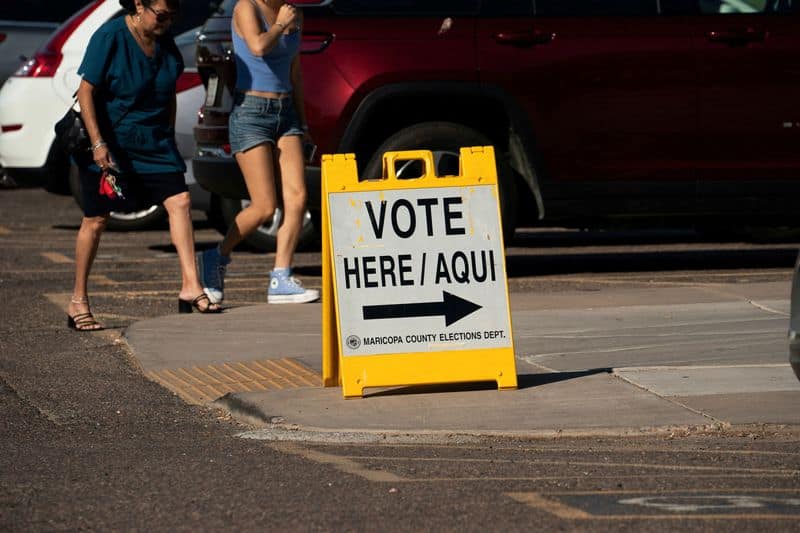
Furthermore, President Trump is intensifying his focus on the SAVE America Act, a bill designed to restrict mail-in voting. This push follows a Supreme Court decision that upheld a Mississippi law permitting mail ballots received up to five days after Election Day to be counted. Trump has publicly identified several senators as "Hold Outs" on this legislation, indicating a continued focus on election integrity measures.