Key facts
- Japan is moving to officially include economic security, including supply stability, in its evaluation of large corporate mergers and acquisitions.
- The government will provide guidance for corporate takeovers, stating that target companies may consider economic security and the views of employees and business partners.
- Amendments to Japan's Foreign Exchange and Foreign Trade Act (FEFTA) were passed, expanding foreign direct investment (FDI) screening.
- The amendments introduce a formalized interagency consultation mechanism, often likened to a 'Japan CFIUS'.
- Indirect acquisition rules will be added to FEFTA, closing a loophole where foreign holding companies acquiring Japanese interests were not always captured.
- The new framework is expected to implement a more risk-sensitive, tiered approach to foreign investment, with closer scrutiny for higher-risk actors.
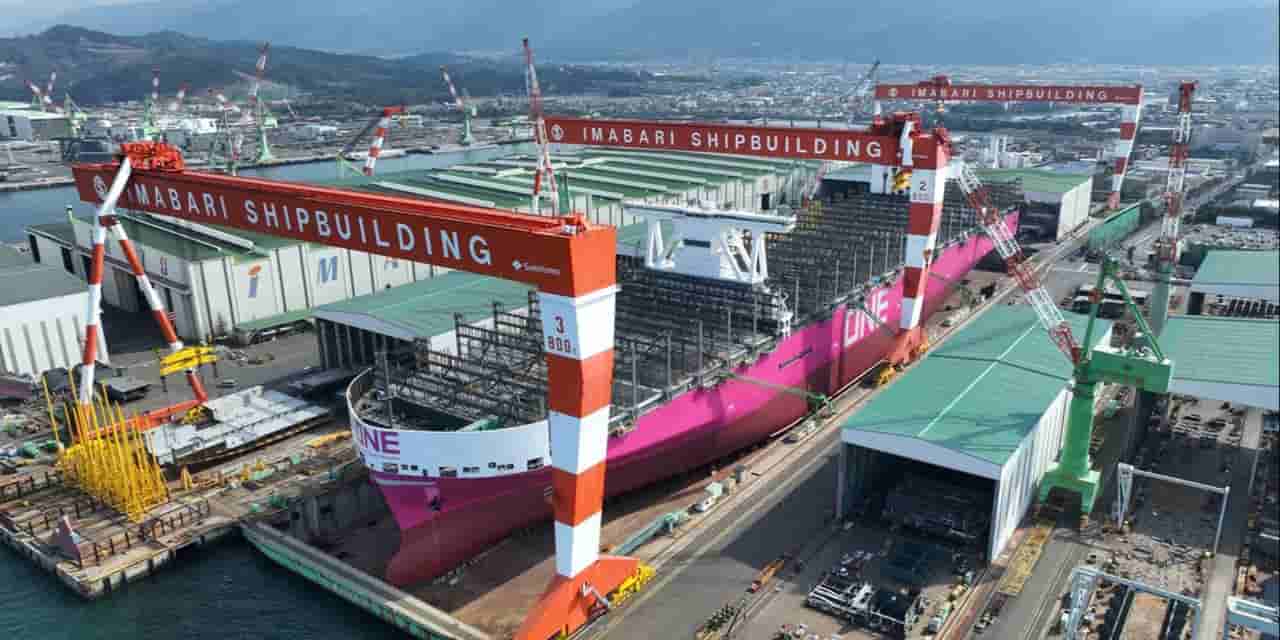
Japan is preparing to officially incorporate economic security considerations, such as supply chain stability, into the screening process for large corporate mergers and acquisitions. This strategic shift aims to enhance the nation's competitiveness in vital sectors like shipbuilding and naphtha.
The Japanese government will issue updated guidance for corporate takeovers, emphasizing that target companies may factor in economic security and the perspectives of employees and business partners when evaluating acquisition proposals. This move signals a departure from solely prioritizing price as the determining factor in such deals.
These developments follow the recent passage of amendments to the Foreign Exchange and Foreign Trade Act (FEFTA) by Japan's Diet on May 29. These amendments significantly broaden the scope of transactions subject to screening and establish an enhanced interagency consultation framework, often referred to as a 'Japan CFIUS.'
While not creating a direct equivalent to the U.S. CFIUS, the amendments expand Japan's existing FEFTA framework by incorporating indirect acquisition rules, codifying risk mitigation procedures, and introducing post-closing intervention powers for certain non-notifiable investments. Anticircumvention rules are also being expanded, and broader interagency consultation will be mandated for national security reviews.
A key aspect of the forthcoming subordinate legislation is expected to be a more risk-sensitive, tiered approach to foreign investment. This approach will likely distinguish between general foreign investors and higher-risk actors, potentially subjecting the latter to lower notification thresholds and closer scrutiny. For listed Japanese companies, a 1% threshold is anticipated for higher-risk investors, while a 50% threshold may apply to general foreign investors.