Key facts
- The plant lost its only 330-kV external power line and ran on emergency diesel generators, the IAEA said.
- Off-site power was restored about 10 hours after the IAEA reported the disconnection.
- Grossi said the outage was the 27th such event during the conflict.
- A June outage left the plant on emergency diesel generators for 15 hours.
- The IAEA said the cause and location of the disconnection are not yet known.
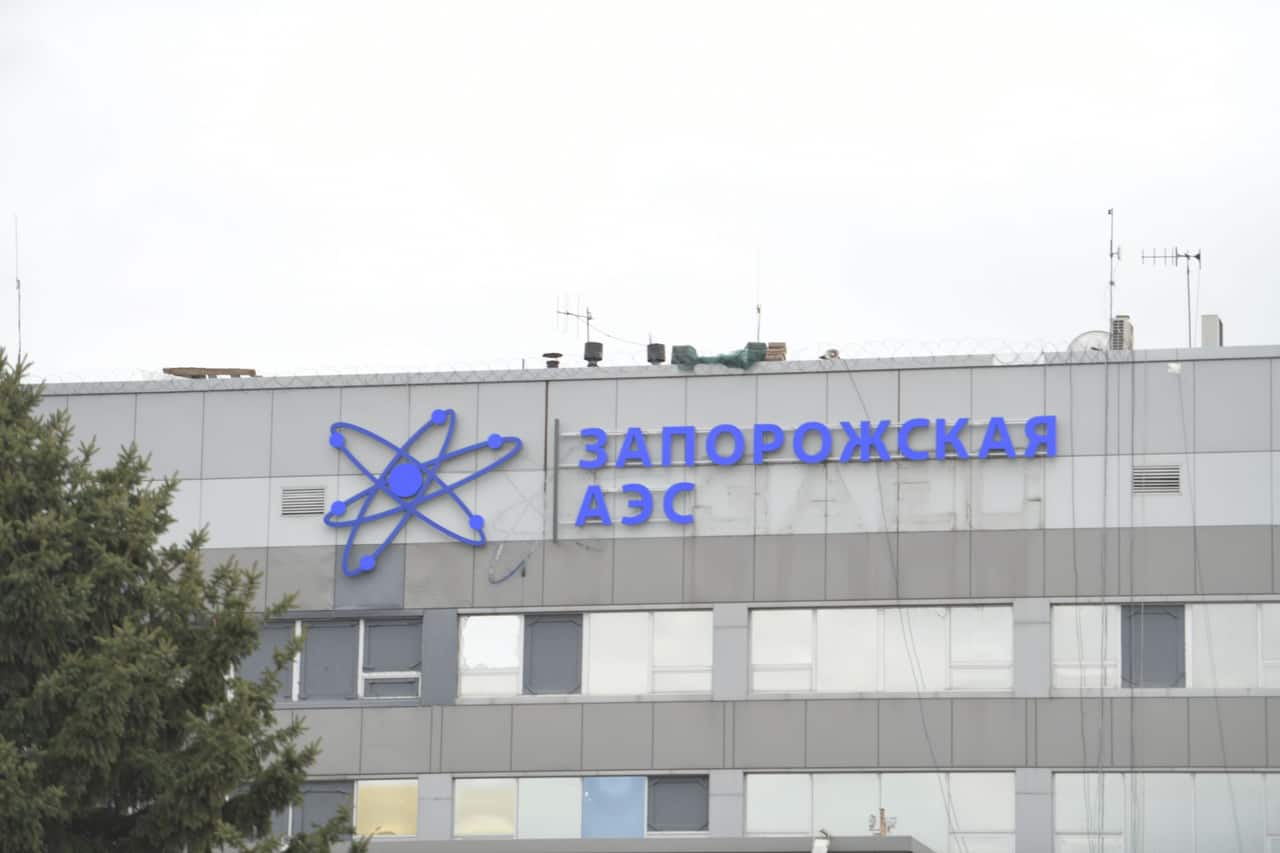
The Zaporizhzhia nuclear power plant lost access to all off-site power for several hours on November 8, the International Atomic Energy Agency said, and the connection was later restored. The plant lost its sole 330-kilovolt external power line and relied on emergency diesel generators for cooling and safety functions, the IAEA announced around noon local time. About 10 hours later the agency confirmed power had been restored.
The IAEA said the exact cause and location of the disconnection are not yet known. "It is the 27th such event during the conflict, underlining the continued precarious nuclear safety situation," IAEA Director General Rafael Mariano Grossi said of the outage. In June, a similar outage left the plant on emergency diesel generators for 15 hours.
The plant, in the city of Enerhodar in southern Ukraine, is Europe's largest nuclear power plant and has been under Russian occupation since the start of the full-scale invasion. Moscow controls the plant and large parts of Zaporizhzhia Oblast, while the regional capital of Zaporizhzhia and most of the oblast's population remain under Ukrainian administration.
The facility has repeatedly faced threats to nuclear safety, including drone attacks, disruptions to external power supplies and incidents affecting plant workers. A drone attack on October 29 reportedly killed an employee, a welder at the plant's centralized repair workshop, according to the IAEA. On October 3 the agency reported drone attacks that damaged transformers at the nearby Zaporizhzhia Thermal Power Plant, threatening the nuclear facility's external electricity supply. In August, a drone explosion at a bus stop used by plant personnel killed one person and injured 15 others, according to the IAEA. The agency has kept a permanent monitoring presence at the facility since September 2022 over concerns about the risk of a nuclear accident.