Key facts
- Redbud Consulting said 38 of 44 data center measures passed across 10 states, including moratoriums and bans.
- Analysts said the measures largely affect projects planned for 2028, not those under construction or approved through 2027.
- Axios projected nearly two-thirds of 2028 US data center capacity could face delays similar to those Hinojosa threatens in Texas.
- Bloomberg estimated half of US data centers are now more vulnerable to scrutiny.
- Gartner estimated the AI boom is nearly $5 trillion short of paying for itself.
- Natixis economist Gary Ng Cheuk-yan told the South China Morning Post a US slowdown could benefit China.
Voters in the November 3, 2026 US elections passed 38 of 44 ballot measures across 10 states that sought to restrict data centers, according to polling firm Redbud Consulting. The measures included dozens of moratoriums and bans. Analysts said they would largely affect projects planned for 2028 rather than data centers already under construction or approved through 2027.
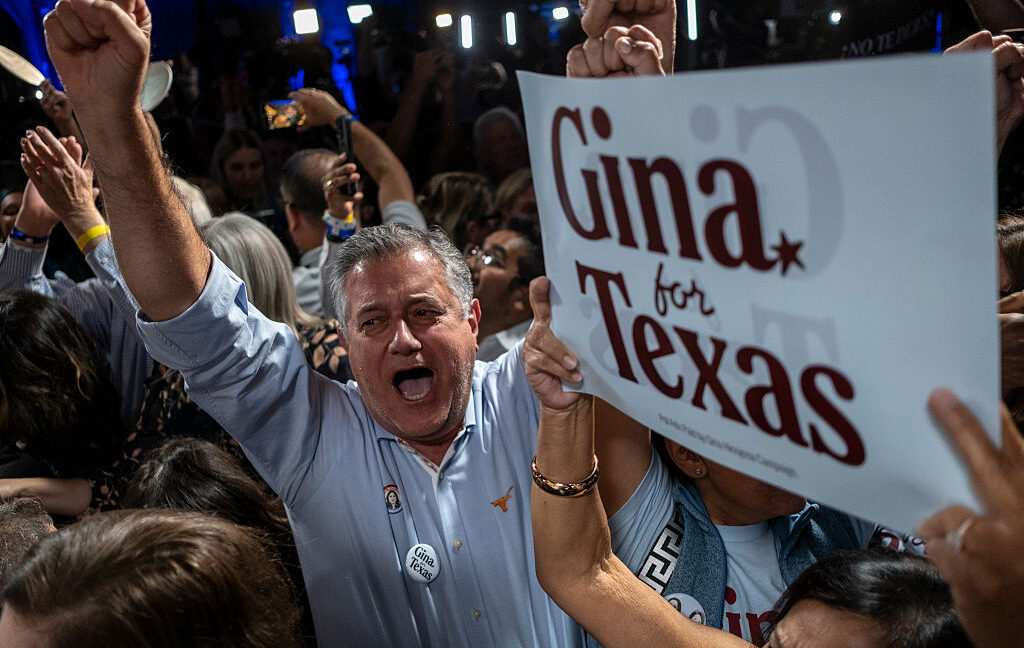
Democratic challenger Gina Hinojosa won the Texas governor race, a result Axios reported would scramble the math on Trump's AI buildout. Texas was expected to account for more than 41 percent of added US data center capacity in 2028, Axios said. Bloomberg reported that about 13 gigawatts of Texas data center capacity is now exposed, and that Hinojosa plans to delay projects until laws address impacts on water, electricity, air and property rights.
GLJ Research analyst Gordon Johnson wrote in a note reported by Bloomberg that Texas projects with power, permits and steel keep going, while those with power but no state environmental permits slip 12 to 18 months. PIMCO head of public policy Libby Cantrill said she expects more time required to secure permits and more concessions from developers even if statewide moratoriums do not result.
Democrats also won governor races in Arizona, Georgia and Ohio, states that had courted data center developers. Axios projected nearly two-thirds of 2028 data center capacity could face similar delays, and Bloomberg estimated half of US data centers are now more vulnerable to scrutiny. IT consulting firm Gartner estimated the AI boom is nearly $5 trillion short of paying for itself.
Chamber of Progress CEO Adam Kovacevich said in a statement on November 4 that the results offer little evidence of a voter mandate to crack down on AI or data centers. He said Democratic gubernatorial candidates who opposed data center bans won at a higher rate than those who supported them, and that voters wanted change on the economy rather than a crackdown on innovation.
Alejandra Montoya-Boyer, vice president of The Leadership Conference's Center for Civil Rights and Technology, disagreed, calling the 2026 midterms the first true AI election in the US. She cited NBC News exit polls showing 3 in 4 voters opposed to data centers and more than half saying AI and data centers were a crucial or major factor in their congressional vote. Brad Carson of Americans for Responsible Innovation told Axios voters sent a clear message that they want rules for AI and data centers.