Key facts
- Oil producers may build plants for their own fields without state authorization if the plants stay off the national grid.
- Other private generators need a Ministry of Electric Energy concession for any plant above 50 megawatts.
- National Assembly president Jorge Rodríguez said generators will sell mainly to large consumers at tariffs not yet published.
- Experts estimate the state grid generates about 12,000 megawatts against demand that reached 16,400 MW in September.
- Power expert Miguel Lara put the cost of stabilizing the grid at no less than $15 billion over three years.
- Venezuelan factories spent an average of 214 of 488 working hours without power between April and June, per Conindustria.
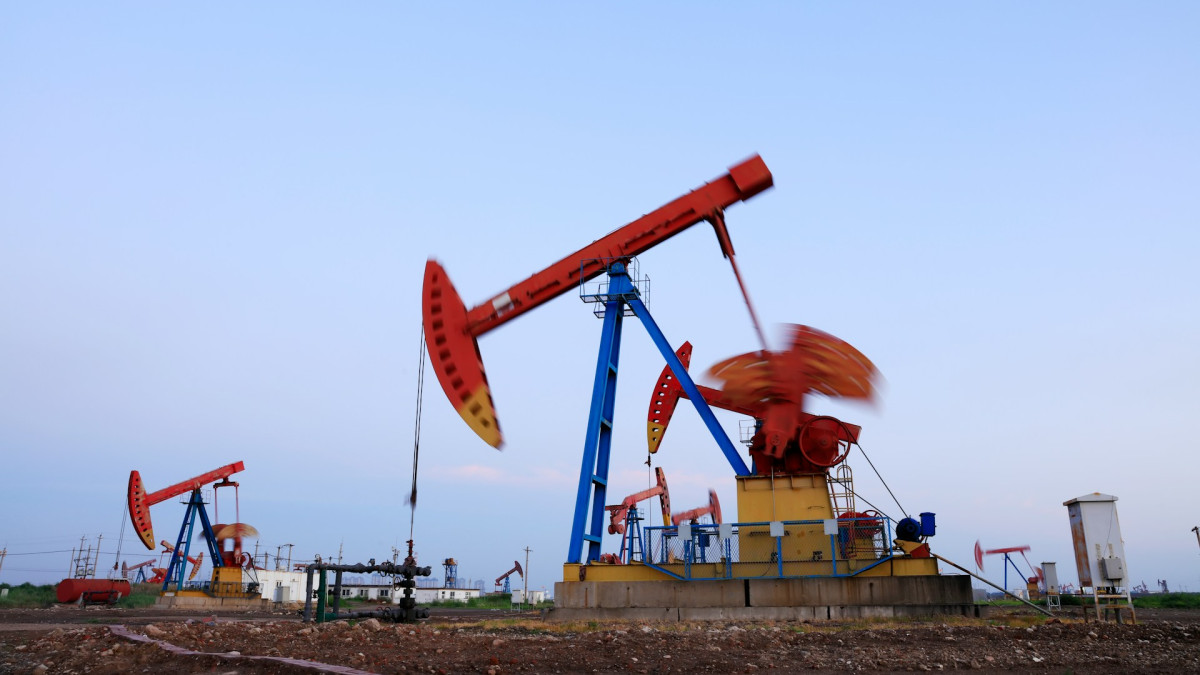
Venezuela's National Assembly passed a law unanimously on Tuesday, November 10, 2026, opening the electricity sector to private capital for the first time since Hugo Chávez nationalized it in 2007. The reform lets oil producers build power plants for their own fields without state authorization, provided the plants stay off the national grid. Other private generators need a concession from the Ministry of Electric Energy for any plant above 50 megawatts.
National Assembly president Jorge Rodríguez, the interim president's brother, said those generators will sell mainly to large consumers, at tariffs the government has yet to publish. Households that cannot pay the full price keep a subsidized rate on a state grid that experts estimate generates about 12,000 megawatts, against demand that reached 16,400 MW in September. The law also lets private and mixed-ownership companies generate, transmit, distribute and sell power through joint ventures of up to 25 years, with a new superintendency overseeing tariffs and service.
Venezuela's oil expansion will need power that does not depend on the grid. On August 31, the White House announced that North American Blue Energy Partners, controlled by Venezuelan businessman Alejandro Betancourt, had received 100-year concessions over 17 fields in the Lake Maracaibo region and the Orinoco Belt, holding about 65 billion barrels of proven reserves. Chevron pumps about 290,000 bpd in Venezuela and plans to spend more than $7 billion through 2031 to raise that to about 600,000 bpd. The country produces 1.1 million to 1.2 million bpd.
Payment remains unresolved. The government, citing legal obstacles, rejected a proposal from foreign firms seeking prepayment for initial repairs and spare parts, and promissory notes issued to suppliers went unpaid. "They still have no clue on how we would get paid," an executive at one equipment supplier told Reuters. Interim President Delcy Rodríguez said on October 8 that the government plans to add 7,400 MW through agreements with General Electric and Impsa, and 600 MW from unit 6 of the Planta Centro power station in partnership with China.
Power expert Miguel Lara put the cost of stabilizing the grid at no less than $15 billion over three years. The Inter-American Development Bank, which stopped lending to Caracas in May 2018, is owed more than $2 billion, and Venezuela is weighing a US-backed Qatar bridge loan to clear those arrears. Residents in Zulia, Mérida, Aragua, Guárico and Portuguesa blocked roads and burned tires over power cuts in September, and Conindustria said factories spent an average of 214 of 488 working hours without power between April and June.