Key facts
- The Vatican said Pope Leo, 71, needed no extra medical measures for the trip after lung cancer surgery.
- Pope Leo was scheduled to begin the 11-day trip on Friday, November 6, with the itinerary from November 6-17 unchanged.
- The tour was to cover about 31,000 km across Uruguay, Argentina and Peru, including outdoor Masses and helicopter trips.
- A 2024 Pew survey of six Latin American countries found fewer people identifying as Catholic than a decade earlier.
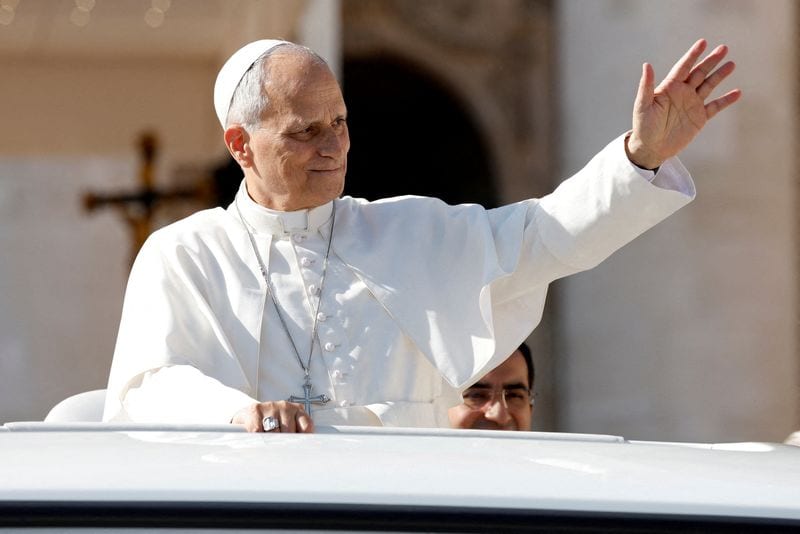
Pope Leo was scheduled to begin his first trip to Latin America as pontiff on Friday, November 6, an 11-day journey across Uruguay, Argentina and Peru, Reuters reported on November 4. The Vatican said the 71-year-old pope was healthy and needed no extra medical measures for the trip after lung cancer surgery, and that the itinerary from November 6-17 remained unchanged.
The tour was to take the pope about 31,000 km (19,260 miles), with two days in Uruguay, three in Argentina and nearly a week in Peru, where he was to celebrate outdoor Masses, address political leaders, join youth vigils and reach remote Andean communities by helicopter.
Latin America remains the world's largest Catholic region in absolute numbers, but the report said Catholic identity there has been shrinking. A Pew Research Center survey in 2024 of six of the most populous Latin American countries found fewer people identifying as Catholic than a decade earlier, with about one-fifth of adults in each country saying they were raised Catholic but had left the Church. Kirsten Lesage, an associate researcher at Pew, said the decline appeared in all the countries surveyed but that the region remained very religious by a variety of standards.
Religious leaders and researchers interviewed by Reuters described the Church's challenge as less about disbelief than about changes in worship habits. Rev. Jorge Reinaudo, a parish priest in Córdoba, Argentina, said growing numbers of younger people were seeking spirituality through retreats, silence and practices blending other traditions with Christian elements. Miguel Pastorino, a professor at Uruguay's Catholic University, described a trend toward individualized religiosity and said evangelical groups, especially Pentecostalism, had made inroads. Pablo Coimbra, a parish priest in Montevideo's Casavalle neighborhood, said more people were participating in Masses and demand for baptisms and holy communion was rising ahead of the pope's visit.