Key facts
- Downing Street said Burnham would launch a structured dialogue on what form an apology might take.
- Burnham's office said around half of developing countries struggling with debt are in the Commonwealth.
- Burnham will announce taskforces on Commonwealth critical minerals investment and on cutting trade barriers.
- Britain will put £40 million ($54 million) into Caribbean critical infrastructure over three years.
- Downing Street has ruled out paying reparations after any apology.
- The Foreign Office will lead talks over the form of an apology, No 10 said.
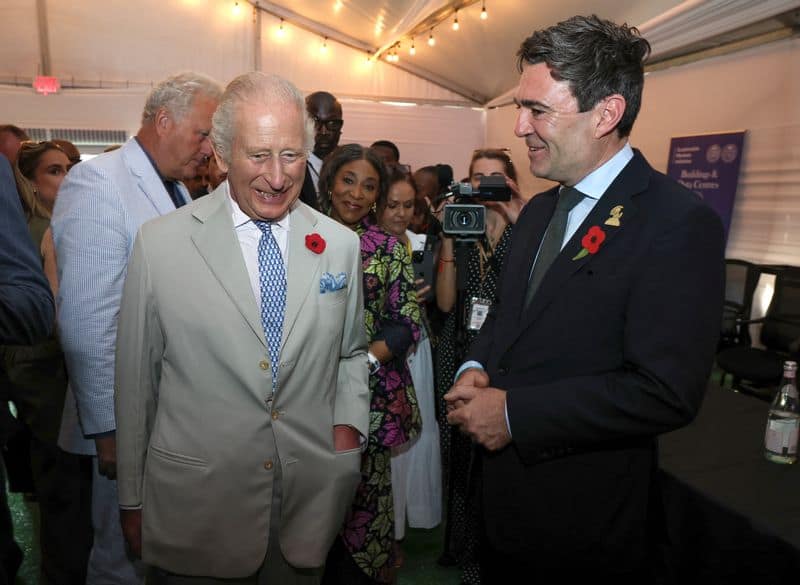
British Prime Minister Andy Burnham will ask countries affected by Britain's role in slavery to help shape an expected formal apology, Downing Street indicated, arguing their input is needed to craft a lasting message. Burnham is traveling to the Commonwealth heads of government summit in Antigua and Barbuda, which begins on Tuesday, and his office said he would use the event to launch a structured dialogue on what form an apology might take.
UK officials already at the summit said other Commonwealth countries had responded positively to the move and that it could help talks on separate issues such as trade and climate. In comments released by Downing Street before Burnham's arrival, the prime minister said discussion of an apology marked a new approach toward the UK's relations with the Commonwealth. Downing Street has ruled out paying reparations after an apology, but Burnham is expected to set out plans at the summit for a system of debt restructuring for countries facing higher debt costs.
Burnham set out his intention to look at a possible apology in an article for the Guardian on Saturday, in which he said the UK should show leadership as it had done in efforts to end the transatlantic slave trade. His official spokesperson said the prime minister wants to strengthen the Commonwealth as a family of nations with shared values that can support growth through trade and economic collaboration, and that conversations about an apology would do this and were also the right thing to do.
Tony Blair expressed deep sorrow about the slave trade and Britain's role in it in 2006, but stopped short of a formal apology. Burnham intended to go further, his spokesperson said, adding that a formal apology should be discussed properly with the countries and communities most affected rather than decided unilaterally. There was no single event set aside to discuss slavery or an apology, but discussions would take place throughout the next couple of days, No 10 said, adding that the Foreign Office would lead talks over the form of an apology. The foreign secretary, Ed Miliband, is already at the summit.
One Foreign Office official said other Commonwealth countries are responding positively to the offer of a structured dialogue on an apology. No 10 denied that Burnham's comments had potentially embarrassed King Charles, who is already in Antigua and Barbuda for a pre-summit visit. Buckingham Palace was made aware in a timely manner, Burnham's spokesperson said.