Key facts
- Most migrants will wait 10 years before applying for indefinite leave to remain, double the previous five years.
- Care workers can still apply after five years if they meet English, criminal record and national insurance criteria.
- Migrants arriving illegally by small boat face waits of up to 30 years, the government said.
- The government said the exemptions cut by 500,000 the migrants qualifying by 2030, leaving 1.4 million.
- The changes apply retrospectively to workers already in Britain and are due to take effect next year.
Britain unveiled reforms to its immigration system on November 2, 2026, requiring most migrants to wait 10 years before they can settle permanently, up from five years previously. The government said the changes were needed because around 350,000 lower-skilled workers and their dependants who arrived after Brexit were expected to become eligible for settlement in the coming years.
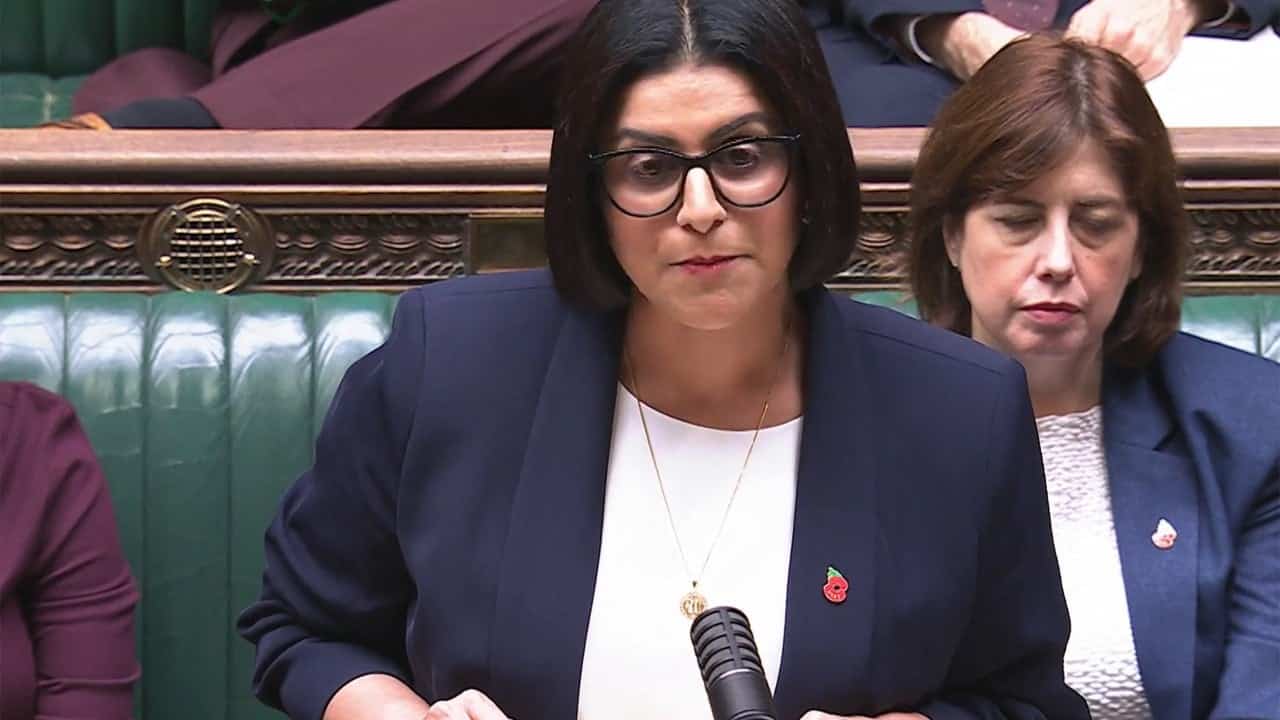
Interior minister Shabana Mahmood softened the standard qualifying period for health and care workers from 10 years to five after unions and parts of the governing Labour Party objected. Care workers qualify after five years if they meet criteria including a high standard of English, no criminal record and a record of paying national insurance. Those earning more than £125,000, or holding certain visas, can settle in three years, and anyone arriving illegally by small boat faces a wait of up to 30 years.
Mahmood said: "Those who contribute most will settle fastest." She added: "Those who don't play by the rules will be refused or wait longer." The government said the exemptions reduce by 500,000 the number of migrants who arrived since 2021 and would qualify for residence by 2030, with as many as 1.4 million still qualifying in that period.
The changes apply retrospectively to workers already in Britain and are due to take effect next year. The government had announced plans last year to require lower-skilled workers to wait 10 to 15 years. Housing secretary Angela Rayner described applying the rules retrospectively as "un-British", and energy secretary Miatta Fahnbulleh said the plans would have been tough for her family, who came to Britain as refugees.
The reforms respond to voter demands for lower immigration and to pressure from Nigel Farage's Reform UK party, and are designed to ward off a rebellion from Labour lawmakers.