Key facts
- NATO is increasing intelligence sharing due to incidents linked to Russia.
- Denmark warned of intensified Russian hybrid warfare against the West.
- NATO's top commander expressed confidence in the alliance's ability to handle threats.
- A limited Russian attack on NATO territory is considered unlikely but possible.
- US President Donald Trump has called for European nations to increase their defense responsibilities.
- The US will provide critical but more limited capabilities to NATO as Europe enhances its defense role.
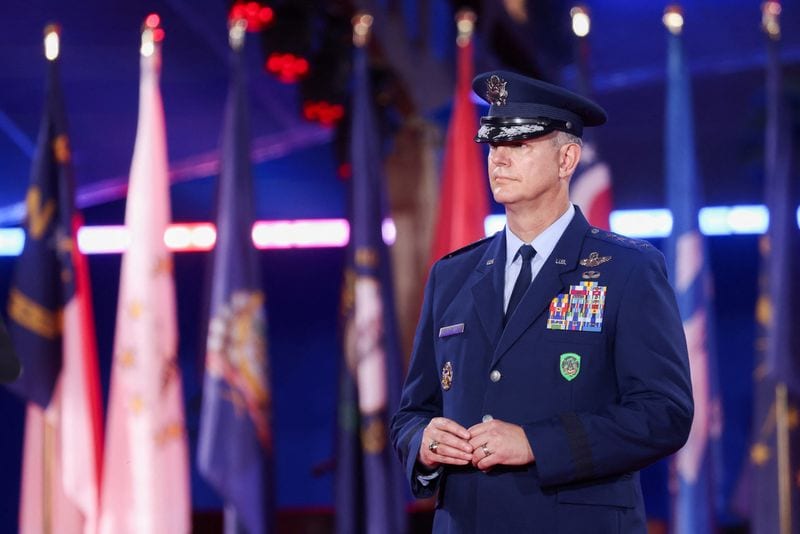
NATO is enhancing its intelligence-sharing capabilities in response to a recent surge in sabotage and other incidents that appear to be linked to Russia, according to the alliance's top commander. General Alexus Grynkewich, NATO's Supreme Allied Commander Europe, stated that while these events are concerning, the alliance is "calm and confident" in its ability to manage any threat posed by Moscow.
The comments follow a warning from Denmark's defense intelligence service that Russia is likely to escalate hybrid warfare tactics against Western nations in the coming months, citing a "low but growing risk" of a limited military attack on NATO countries bordering Russia.
Grynkewich acknowledged the incidents, including an attempted drone attack at Germany's Leipzig/Halle Airport and a Russian ship firing flares near a Danish military helicopter, but emphasized NATO's preparedness. He dismissed the idea that Russian President Vladimir Putin might perceive an opportunity to strike NATO, stating, "He better not try it on my watch," and affirmed the alliance's readiness to defend its territory.
This strategic shift aligns with demands from U.S. President Donald Trump for European nations to assume greater responsibility for their security. As part of this, a European general is taking over command of NATO's Joint Force Command Norfolk, which oversees operations in the Arctic and northern Europe and protects transatlantic resupply routes. Grynkewich indicated that the U.S. will continue to provide "critical but more limited capabilities" to NATO as European allies enhance their own defense roles, noting that the exact number of U.S. troops in Europe and the capabilities that might be relocated have no predetermined outcome.