Key facts
- The U.S. announced an implementation plan for trilateral cooperation with South Korea and Japan on SMR deployments.
- The plan aims to support growing global energy demands and mutual security interests.
- A memorandum of cooperation on civil nuclear energy was signed by the foreign ministers of the three countries in July.
- An industry initiative was signed by four companies from South Korea, the U.S., Japan, and Poland to deploy the BWRX-300 SMR in Europe.
- The BWRX-300 SMR is developed by GE Vernova Hitachi Nuclear Energy.
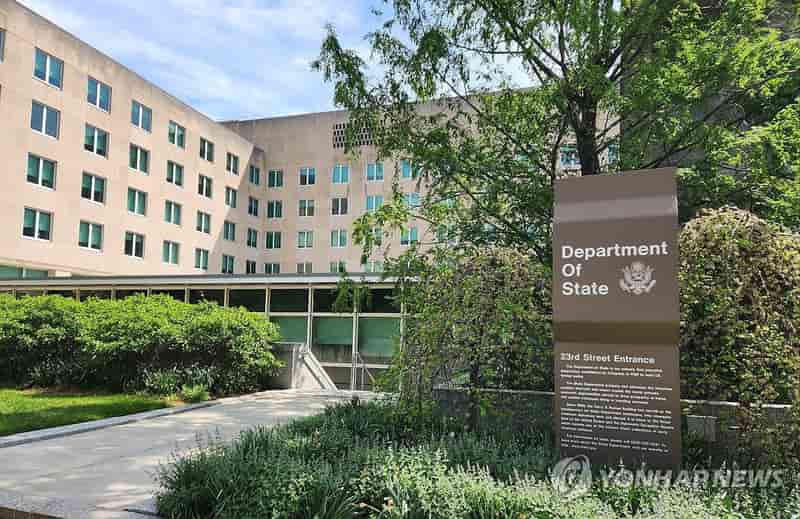
The United States announced on Wednesday an implementation plan to support trilateral cooperation with South Korea and Japan on the deployment of small modular reactors (SMRs) in third countries. The announcement was made by the State Department on the sidelines of the U.N. General Assembly in New York.
This initiative follows a memorandum of cooperation (MOC) on civil nuclear energy signed in July by South Korean Foreign Minister Cho Hyun, U.S. Secretary of State Marco Rubio, and Japanese Foreign Minister Toshimitsu Motegi. The State Department stated that the MOC and implementation plan aim to support mutual security interests by setting out an ambitious agenda for SMR fleet deployment to meet growing global energy demands.
Additionally, the department noted the recent signing of an industry initiative establishing a cooperation framework among four companies: GE Vernova (U.S.), Hitachi (Japan), Samsung C&T (South Korea), and SGE (Poland). This consortium aims to advance the deployment of GE Vernova Hitachi Nuclear Energy's BWRX-300 SMR across Europe, potentially leading to over $150 billion in reactor investments in the coming years. Deputy Secretary of State Christopher Landau welcomed this industry milestone, highlighting the leveraging of complementary industrial strengths to accelerate reactor deployment while adhering to high standards of nuclear safety, security, and nonproliferation.