Key facts
- The US is experiencing a convergence of extreme weather events: wildfire smoke, flash flooding, and new fires.
- Millions of Americans face hazardous conditions due to poor air quality and floodwaters.
- 68 large fires are burning across 15 states, with dry conditions exacerbated by low snowpack and drought.
- Texas has experienced catastrophic flash flooding for three consecutive days, resulting in two confirmed deaths.
- Experts link the extreme weather to climate change and amplified jet stream patterns.
- Concerns exist regarding potential cuts to disaster relief aid under the Trump administration.
The United States is currently contending with a severe and simultaneous convergence of climate-related disasters. Regions across the country are simultaneously experiencing devastating floods, dangerous heatwaves, and widespread, hazardous wildfire smoke. This multi-faceted crisis is occurring at a time when concerns are mounting over potential cuts to disaster relief funding proposed by the Trump administration.
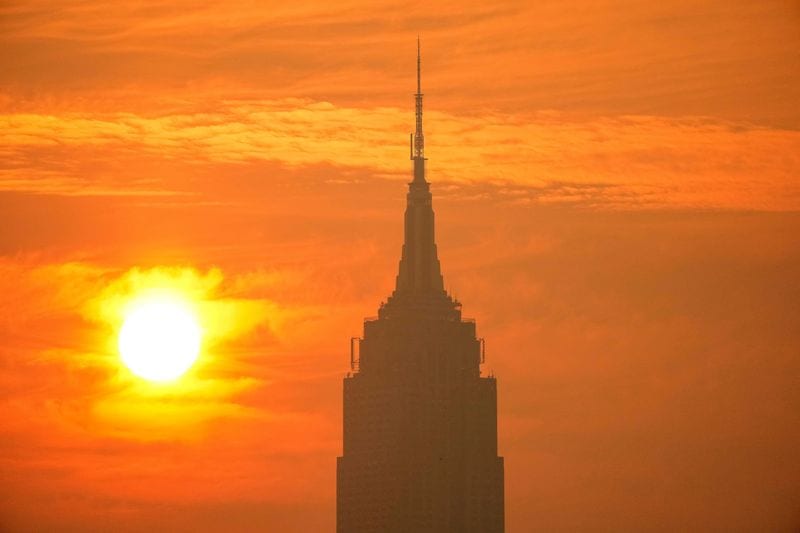
Wildfire smoke from Canada has blanketed the eastern U.S., turning skies orange-brown and creating hazardous air quality for tens of millions. Chicago's air quality ranked second-worst globally on Friday, leading to closures of public spaces and the activation of cooling centers due to high temperatures.
Meanwhile, Texas's Hill Country is enduring a third consecutive day of catastrophic flash flooding, with some areas receiving over 27 inches of rain since Tuesday. Two fatalities have been confirmed, and hundreds have been rescued from rising waters. This flooding follows a similar event last July that caused at least 135 deaths.
Nationwide, firefighters are battling 68 large fires, an increase from the previous day, with new blazes erupting in the Pacific Northwest. Record-low snowpack and drought have pushed fuel conditions to extreme levels, with nearly 3.72 million acres burned so far this year.
Experts note that these compound events can be more dangerous than individual disasters. Climatologists suggest that human-driven climate change may be contributing to amplified jet stream patterns that cause extreme weather to persist.