Key facts
- A horse in Grant County, New Mexico, tested positive for New World screwworm on Thursday.
The U.S. confirmed a case of New World screwworm in a horse in New Mexico on Thursday, just as the federal government prepares to resume imports of Mexican livestock. The flesh-eating parasite had previously led to a halt in trade, contributing to higher beef prices.
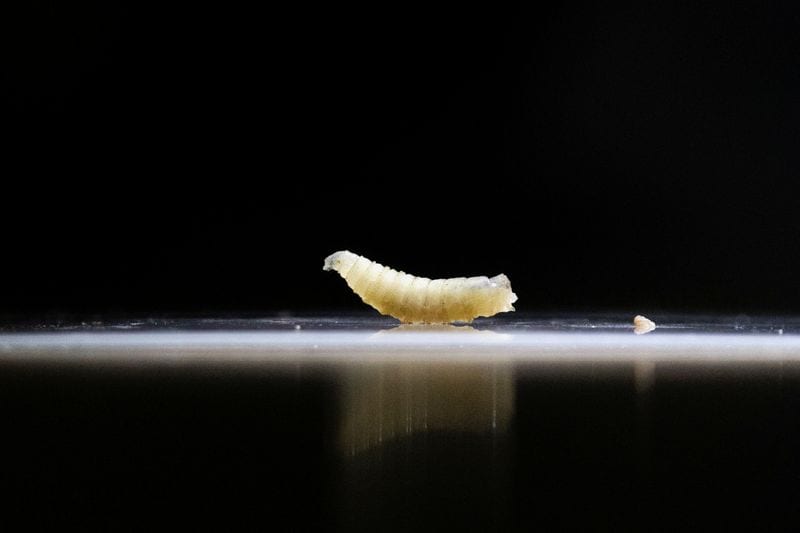
The confirmation of a screwworm case in a horse in New Mexico raises concerns about the potential impact on livestock trade and the broader agricultural sector. The U.S. has been working to reopen its border to Mexican livestock, and any new infestations could delay these plans, potentially affecting cattle supplies and beef prices for consumers.
The U.S. confirmed a case of New World screwworm in a horse in New Mexico on Thursday, a development that comes as the federal government prepares to resume imports of Mexican livestock into the state. The flesh-eating parasite had previously led to a halt in trade.
The horse was found in Grant County, New Mexico, near the Mexican border. This marks the state's second confirmed case since screwworm entered the U.S. from Mexico in June. U.S. Agriculture Secretary Brooke Rollins had announced on Wednesday that the USDA was preparing to reopen a New Mexico port of entry to livestock trade next week after it had been closed due to screwworm concerns.
A spokesperson for the New Mexico Department of Agriculture stated on Thursday that there was no immediate update on whether the latest case would affect these plans. The U.S. had halted livestock imports from Mexico last year in an attempt to keep out screwworm but resumed trade last month at an Arizona port as part of a phased reopening. The halt had tightened U.S. cattle supplies and contributed to record-high beef prices.
Rollins held a news conference at the Santa Teresa, New Mexico, port on Thursday to discuss plans to reopen trade there on September 24. The horse case had not been confirmed at the time of that conference, according to the New Mexico Department of Agriculture. Last week, the first U.S. horse infested with screwworm was detected in southern Texas near the Mexican border. Reuters has reported on concerns that smuggled animals, including horses, could be possible hosts for screwworm, and officials are investigating how the New Mexico horse became infested. The USDA reports three active screwworm cases in the U.S., including the horses in New Mexico and Texas and a dog in Texas.