Key facts
- US President Donald Trump will host Chinese President Xi Jinping next week.
- Agriculture, energy, and rare earths are likely bargaining chips in the summit.
- China committed to buying 25 million metric tons of US soybeans annually through 2028.
- US officials state Beijing agreed to $17 billion in additional agricultural purchases in May.
- Analysts expect waivers for agricultural imports from remaining tariffs.
- China's imports of US oil and gas stopped after tariffs were imposed.
Trade in agriculture, energy, and rare earths are expected to be central to discussions when US President Donald Trump hosts Chinese President Xi Jinping next week in Washington. These commodities have become significant bargaining chips in the ongoing trade dispute between the two nations.
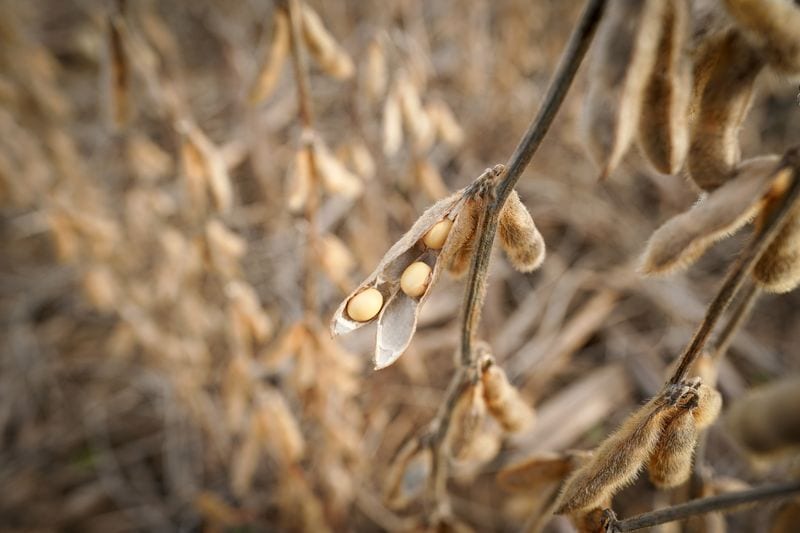
Agricultural goods, particularly soybeans, represent a major US export to China, valued at $29 billion in 2024. At a summit in South Korea last year, China committed to purchasing 25 million metric tons of US soybeans annually through 2028. US officials also stated that Beijing agreed to an additional $17 billion in other agricultural product purchases during Trump's visit to Beijing in May. While Beijing has not officially acknowledged these agreements, it is on track to meet the soybean commitment. Analysts anticipate some waivers for agricultural imports from the remaining 10% tariff, with sorghum and corn being potential candidates for exemption.
China has historically been an intermittent buyer of US oil and gas, but imports ceased last year due to 10% to 15% tariffs imposed by Beijing. The US has been seeking to resume these imports, with reports suggesting that energy tariffs could be part of a $30 billion package of reciprocal tariff cuts. While Chinese buyers are still fulfilling long-term contracts for US LNG, they have been reselling the cargoes, meaning immediate windfall for US producers is unlikely.
In the realm of sanctions, China has been a significant purchaser of Iranian and Russian crude oil. The US has previously sanctioned entities involved in this trade and is considering both lifting some sanctions and imposing new ones ahead of the summit. US Treasury Secretary Scott Bessent has led efforts to impose secondary sanctions on banks financing Iranian trade, though Chinese banks have not been targeted.
China's dominance in rare earths production and its past export restrictions have been a key point of negotiation. While more material is now flowing from China, US firms in critical sectors like aerospace and chipmaking still face access challenges, and some Chinese exporters are hesitant to ship to the US due to fear of repercussions. Reuters has reported that this issue is on the US agenda, with officials urging Beijing to uphold its commitments regarding the supply of these critical materials.