Key facts
- The H2tofielddrive project will test a prototype hydrogen fuel cell tractor and a mobile refueling station in everyday farming applications.
- The prototype tractor's hydrogen tanks operate at 350 bar, or 5,076 pounds per square inch.
- The mobile refueling station operates at 500 bar, or 7,252 pounds per square inch, to refuel without an additional compressor.
- Researcher Jürgen Rath said the project is investigating hydrogen's energy efficiency compared with conventional fossil fuels in agricultural tractors.
- A 2025 Nature Energy study found only 7% of global green hydrogen capacity announcements as of 2023 were finished on schedule.
- IRENA warned against the indiscriminate use of hydrogen, saying green hydrogen requires dedicated renewable energy that could be used elsewhere.
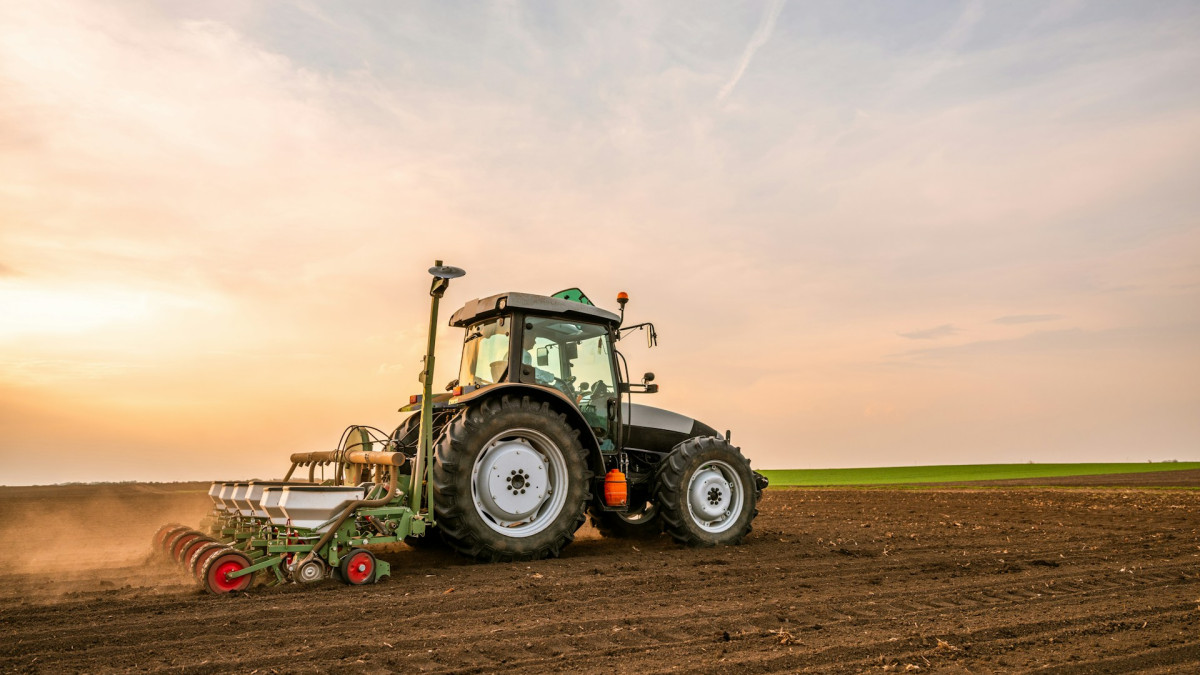
The University of Bonn's Chair of Renewable Resources is testing a prototype hydrogen fuel cell tractor and a mobile refueling station as part of a project called H2tofielddrive, according to a report published November 29, 2026. The project aims to evaluate the practicality, efficiency and viability of hydrogen-powered tractors in everyday farming, replacing diesel fuel.
Refueling has been one of the project's most pronounced challenges, the researchers said. The prototype tractor's hydrogen tanks operate at 350 bar (5,076 pounds per square inch), requiring hydrogen stored at a higher pressure to refuel without an additional compressor. The mobile station operates at 500 bar (7,252 pounds per square inch).
Jürgen Rath, a researcher from the University of Bonn, told Interesting Engineering that the energy efficiency of hydrogen compared with conventional fossil fuels in agricultural tractors is being investigated as part of a doctoral research project. With the prototype complete, the researchers will collect empirical data on the tractor's energy efficiency and performance and compare it with conventional fossil fuel-powered tractors, Interesting Engineering reported.
The climate benefit of hydrogen tractors depends on how the hydrogen is produced. Most industrial hydrogen is made using fossil fuels, which offsets its utility as a clean alternative when life-cycle emissions are counted. Green hydrogen, made using only renewable energy, is more expensive to produce. IRENA has warned against the indiscriminate use of hydrogen, cautioning that green hydrogen requires dedicated renewable energy that could be used for other end uses.
Other green hydrogen and fuel cell initiatives have fallen short. A 2025 study in Nature Energy found that, as of 2023, less than one-tenth of planned global green hydrogen projects had been carried out, tracking 190 projects over three years and identifying only 7% of global capacity announcements finished on schedule. Forbes reported that in the first half of 2024 the global market for hydrogen fuel cell cars was just 5,621 units, compared with 4.5 million battery electric vehicles sold in the same period.
The report said that over the course of 2026, China, Europe and the United States have all made moves to accelerate hydrogen investment.