Key facts
- COP31 ended without a deal to advance an energy transition, the first such outcome since 2009, per oilprice.com.
- Disagreements centered on financial commitments for developing countries and on blaming oil and gas for climate change.
- The EU rejected the final draft because it lacked a specific reference to hydrocarbons, oilprice.com reported.
- Panama's environment minister said a COP document that does not mention fossil fuels is not acceptable.
- Ireland's energy minister said his country would not endorse a cover decision that does not mention fossil fuels.
- Friends of the Earth's Asad Rehman called the EU hypocritical and cited a litany of broken promises by developed countries.
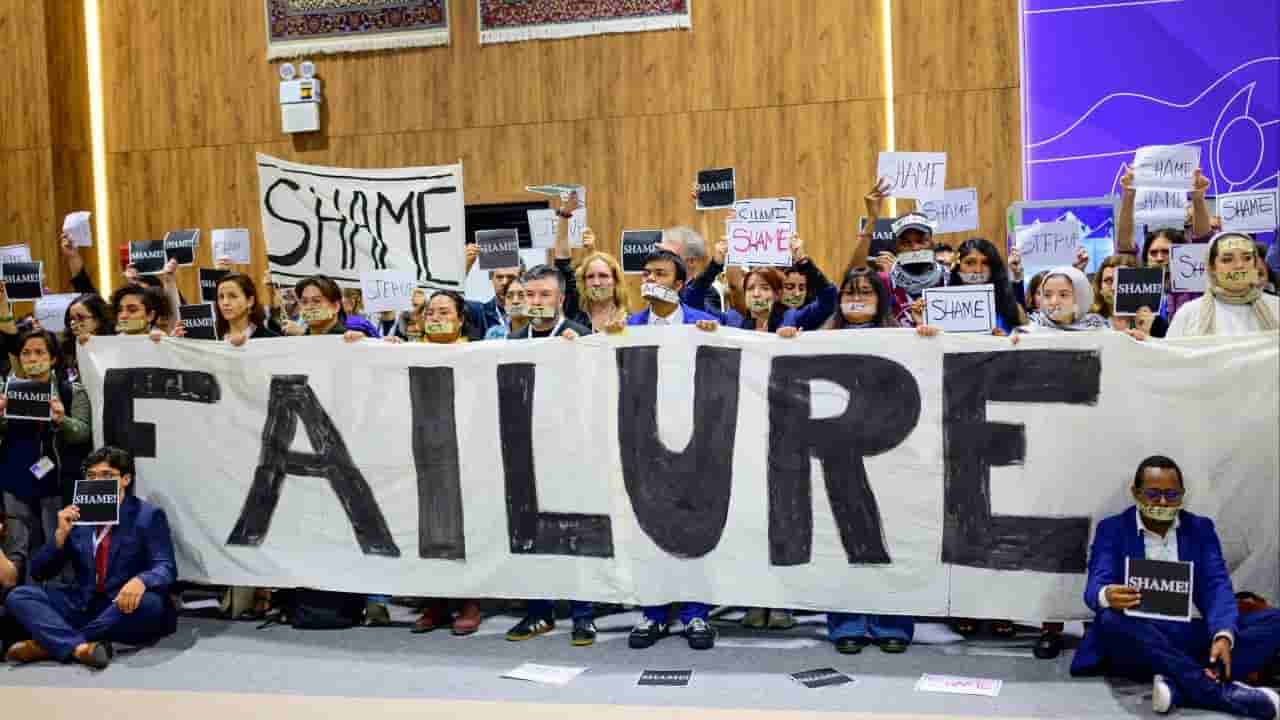
The COP31 United Nations climate change conference in Antalya, Turkey, ended on November 20, 2026 without an agreed deal, after negotiators went into overtime on the final day. The conference president, Turkey's climate change minister, said there was no consensus on the document and that the decisions had not been adopted, according to Al Jazeera.
Disagreements centered on financial commitments for developing countries and on whether the text would name oil and gas as a driver of climate change. The EU rejected the final draft because it did not specifically reference hydrocarbons, oilprice.com reported. Panama's environment minister said it was not acceptable to have a COP document that does not mention fossil fuels, and Ireland's energy minister said his country would not endorse a cover decision that omits them.
Oilprice.com reported that COP31 was the first conference since 2009 to end without a deal to advance an energy transition. It said wealthy Western countries have pledged billions in grants and loans for transition assistance to developing nations in Asia, South America and Africa, but that money has become tighter as two wars strained state budgets. EU climate commissioner Wopke Hoekstra said in late October, before the conference began, that the possibility of fresh EU money for emission reduction projects at COP31 was dead in the water.
The EU's stance drew criticism from environmental activist group Friends of the Earth, whose head Asad Rehman called the bloc hypocritical for insisting on naming the oil and gas industry while consuming more of those commodities, oilprice.com reported. Australia's climate minister Chris Bowen told the conference that the world was asking whether multilateralism could meet a polycrisis of climate change, energy security, conflict and the power demands of artificial intelligence, and said international cooperation remained a way forward.