Key facts
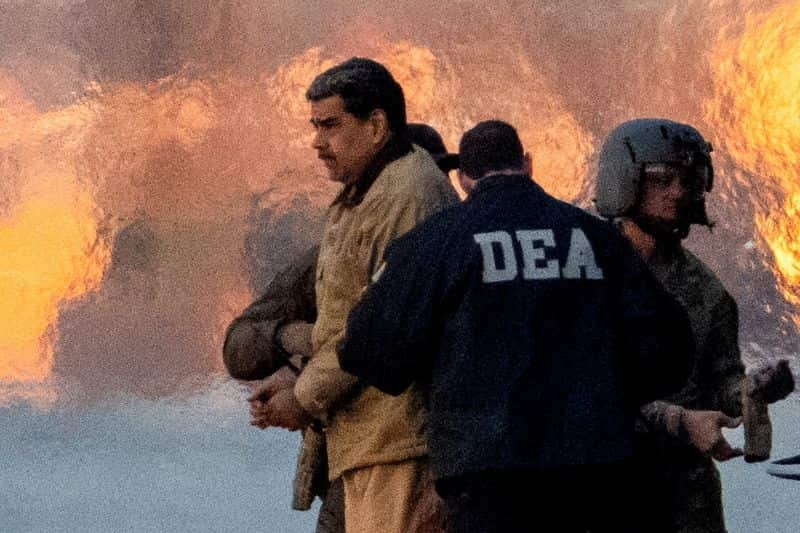
- Venezuela's apparatus of repression remains largely intact despite a reduction in some abuses following President Nicolas Maduro's removal from power in January.
- Independent UN experts stated that political liberalization measures adopted since Maduro's removal are partial, conditional, and reversible.
- Senior officials linked to past repression remain in key positions, and security agencies and laws restricting dissent have not been reformed.
- Hundreds of people remain arbitrarily detained for political reasons and face harsh prison conditions, torture, and ill-treatment.
- The report documented allegations of beatings, electric shocks, and prolonged isolation at El Rodeo I and Fuerte Guaicaipuro prisons.
- The state has extensive links with armed civilian groups known as "colectivos", which intimidate opponents with state backing.
A United Nations-mandated investigation has concluded that Venezuela's apparatus of repression remains largely intact, despite a reduction in certain abuses following the removal of President Nicolas Maduro from power earlier this year. The U.S. has detained Maduro on drug-trafficking charges but left his Socialist Party government largely in place.