Key facts
- ULA said Vulcan suffered an anomaly 10 minutes into the flight and failed to deliver the Amazon mission to orbit.
- The 40 Amazon Leo satellites on board fell back to Earth after the failure.
- ULA said it was the first total mission failure in the company's 20-year history.
- Multiple sources told Ars Technica the anomaly occurred in the booster stage, not the Centaur V upper stage.
- ULA said it could not immediately determine whether the BE-4 engines, the propellant feed or another part of the booster caused the issue.
- Amazon has 37 more Vulcan launches reserved with ULA, each slated to carry 40 or more Amazon Leo satellites.
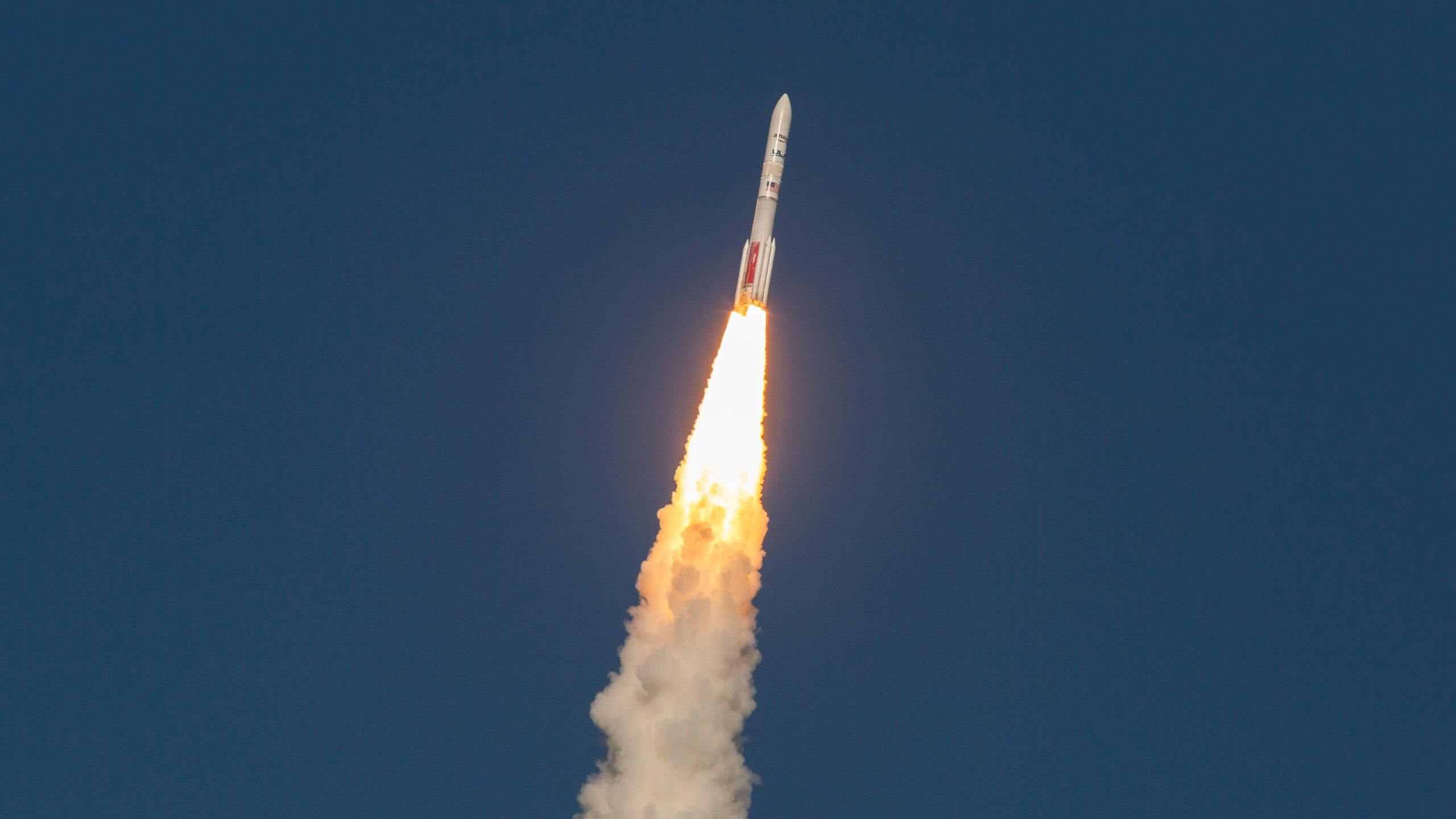
United Launch Alliance's Vulcan rocket lifted off from Cape Canaveral Space Force Station in Florida at 12:40 pm EDT on Sunday, November 15, 2026, carrying 40 Amazon Leo broadband satellites. Minutes later the rocket and its payload fell back to Earth. In a statement, ULA said the rocket "suffered an anomaly 10 minutes into the flight and failed to deliver the Amazon mission to orbit" and that it did not immediately have "any specific data to understand what occurred."
Ars Technica reported that multiple sources said the anomaly occurred in the booster stage, not the Centaur V upper stage or the solid rocket boosters. The report said it could not immediately be determined whether the issue was caused by the two methane-burning BE-4 engines that power the booster, some other part of the booster that feeds propellant into the engines, or another problem.
According to the report, Vulcan jettisoned its spent solid rocket boosters on time and continued on its twin BE-4 main engines, made by Blue Origin, Jeff Bezos' space company. The engines were supposed to shut down just shy of the flight's five-minute mark but continued firing for at least 30 additional seconds, which Ars Technica said could indicate the booster stage was not performing as expected and operated longer to try to compensate.
ULA said engineers will investigate to "find the cause, determine the appropriate corrective action, and return to flight as quickly as possible." The company said it is committed to full transparency with customers, who will have visibility into the investigation process.
Ars Technica reported that the failure was the first total mission failure for ULA since its formation in 2006 through the merger of the rocket divisions of Boeing and Lockheed Martin. The report said Vulcan is on contract to launch roughly half of the US military's national security space missions in the next few years, and that the mission was the first of 38 Vulcan launches booked by Amazon.
According to the report, the Amazon Leo constellation consists of 396 satellites against a planned total of 3,292 first-generation spacecraft. Amazon officials told Ars Technica in October that the company has enough satellites to start initial commercial internet service by the end of the year, but more launches are required to reach full capacity.