Key facts
- ULA said the Centaur V upper stage and solid rocket boosters performed nominally during the November 15 flight.
- ULA gave no specific information on what caused the low booster performance it described.
- The Vulcan core stage is powered by two BE-4 engines supplied by Blue Origin, which ULA did not name as the cause.
- Two sources told Ars Technica the investigation is incredibly complicated and in its early stages.
- Two independent sources told Ars Technica preliminary data points to the launch vehicle side, possibly propellant feed systems, rather than the engines.
- The FAA is overseeing the investigation, which ULA is leading.
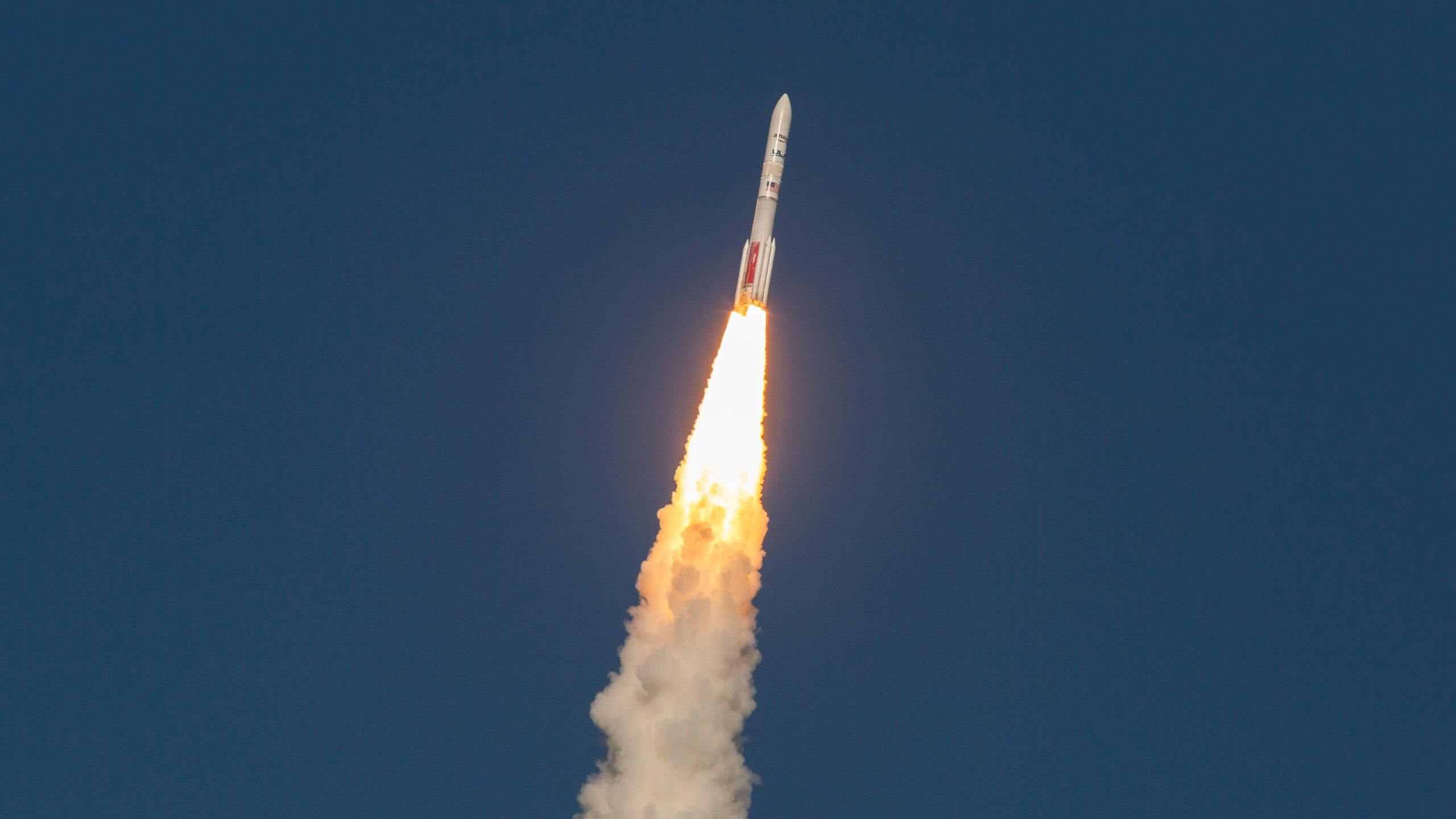
United Launch Alliance confirmed on the morning of November 17, 2026 that its return-to-flight Vulcan launch, which lifted off from Space Launch Complex-41 at Cape Canaveral Space Force Station in Florida on November 15, began failing during the initial stages of the mission.
"While we appear to have lost telemetry and the mission at approximately 10 minutes into flight, early indications are that just after liftoff, the launch vehicle experienced low booster performance, resulting in stage separation occurring when the vehicle was low in altitude and below minimal velocity to reach orbit," the company said. ULA also confirmed Ars Technica's reporting that the Centaur V upper stage and the solid rocket boosters performed nominally. The company gave no specific information on the low booster performance.
The Vulcan core stage is powered by two BE-4 engines supplied by Blue Origin, whose own New Glenn rocket uses a similar but slightly more powerful version of the engine. New Glenn experienced a failure in May during a ground test that was later attributed to a main oxygen valve on one of the BE-4 engines.
According to two sources, the investigation is "incredibly complicated" and remains in the early stages, with ULA and Blue Origin having acknowledged only that they are working together on the cause. Two independent sources told Ars Technica that preliminary data points to the launch vehicle side rather than the engines themselves, possibly systems that feed methane and liquid oxygen propellant to the engines. ULA engineers are examining whether one of the two BE-4 engines produced lower thrust shortly after liftoff and never returned to full throttle, Ars Technica reported, citing high-zoom tracking camera video that appeared to show one engine slightly dimmer after booster jettison nearly two minutes into flight. The report said an asymmetric shutdown of the BE-4 engines could also have contributed to the attitude motion indicated near stage separation. The FAA is overseeing the investigation, which ULA is leading.
This was the fifth Vulcan flight since its debut in January 2024. Two earlier flights had issues with solid rocket booster nozzles, and the rocket compensated in both cases to reach orbit; the second caused a nine-month stand-down. Ars Technica reported the setback is likely to sideline Vulcan for at least half a year, affecting the US Space Force's national security payloads and more than a dozen Amazon Leo launches on the 2027 manifest.
Blue Origin said last Tuesday that a modified BE-4 main oxygen valve had completed qualification testing. "Our modified valve has already been incorporated into engines slated for upcoming flights, and we are now rolling it out across the remaining fleet," the company said. "We expect to complete the anomaly investigation later this month." Ars Technica reported that a BE-4 problem would delay New Glenn's return to flight, which Blue Origin is seeking as early as January, and affect NASA's Artemis Program and Moon Base plans.