Key facts
- ULA said it lost telemetry and the mission about 10 minutes into the November 15 flight.
- ULA said the Centaur V upper stage and solid rocket boosters performed nominally.
- Two sources told Ars Technica preliminary data points to the launch vehicle side, not the engines.
- The Vulcan core stage is powered by two BE-4 engines supplied by Blue Origin.
- The FAA is overseeing the investigation, which ULA is leading, per Ars Technica.
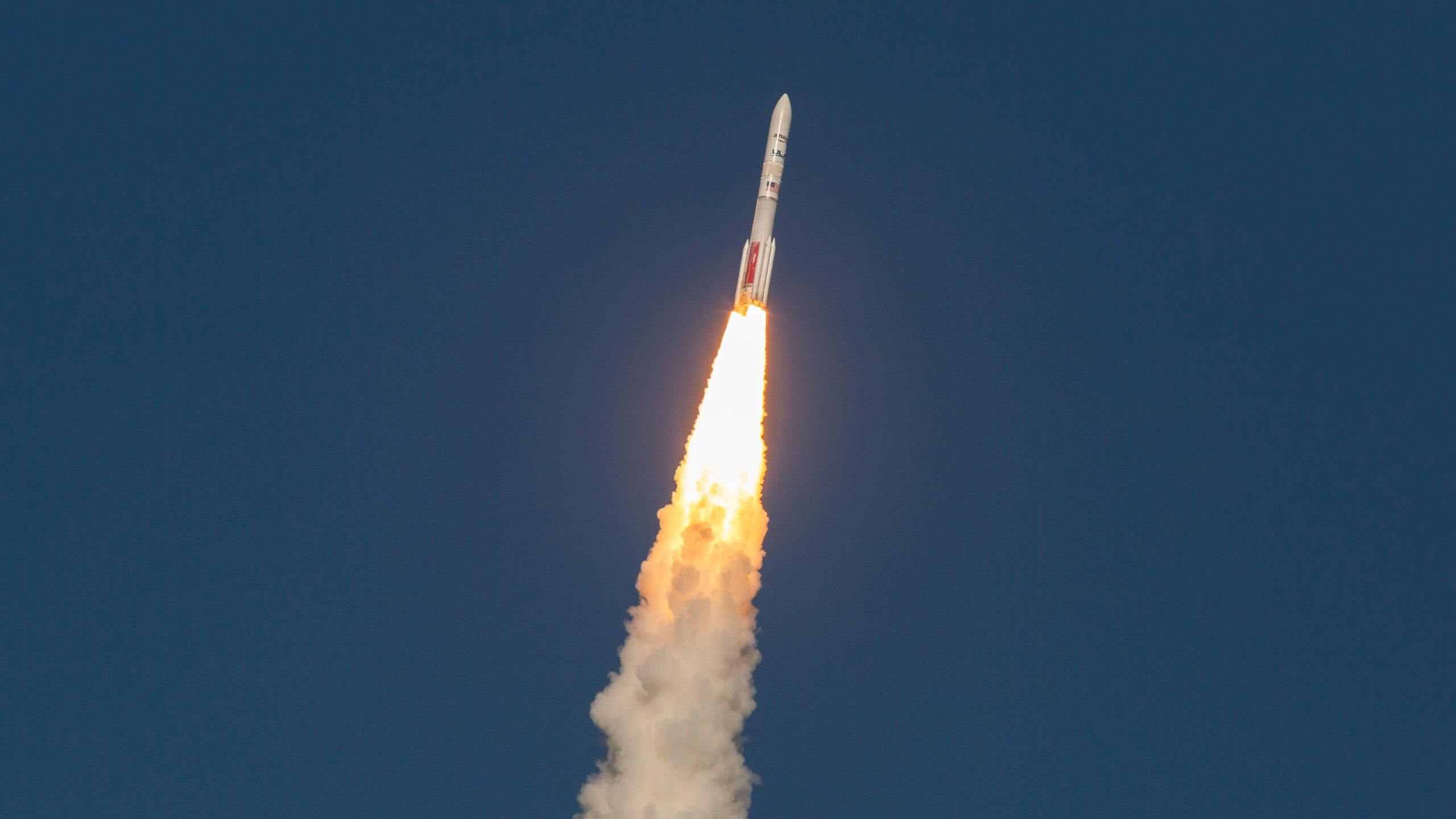
United Launch Alliance said on the morning of November 17, 2026 that its return-to-flight Vulcan launch, which lifted off from Space Launch Complex-41 at Cape Canaveral Space Force Station in Florida on November 15, began failing during the initial stages of the mission. The company said it lost telemetry and the mission at approximately 10 minutes into flight, and that early indications were that just after liftoff the vehicle experienced low booster performance, leaving stage separation too low in altitude and below the velocity needed to reach orbit.
ULA also confirmed Ars Technica's reporting that the Centaur V upper stage and the solid rocket boosters performed nominally. The company gave no specific information on what caused the low booster performance. The Vulcan core stage is powered by two BE-4 engines supplied by Blue Origin, which ULA did not name as the cause.
According to two sources, the investigation is incredibly complicated and remains in the early stages. Two independent sources told Ars Technica that preliminary data points to the launch vehicle side rather than the engines themselves, possibly to systems that feed methane and liquid oxygen propellant to the engines. ULA engineers are looking at the possibility that one of the two BE-4 engines produced lower thrust shortly after liftoff and never returned to full throttle, Ars Technica reported. The Federal Aviation Administration is overseeing the investigation, which ULA is leading.
This was the fifth flight of the Vulcan rocket since its debut in January 2024. Two earlier flights had issues with solid rocket booster nozzles, and the second caused Vulcan to stand down for nine months. Ars Technica reported the setback is likely to sideline Vulcan for at least half a year, affecting US Space Force national security payloads and more than a dozen Amazon Leo launches on the 2027 manifest. Blue Origin is seeking to return its New Glenn rocket to flight as early as January.