Key facts
- Ukraine has reportedly struck a Russian Iskander ballistic missile launcher.
Ukraine is developing tactics to strike Russian ballistic missile launchers, a critical capability to counter Moscow's missile attacks. This strategy involves intelligence gathering and specialized weaponry, aiming to disrupt Russia's offensive capabilities.
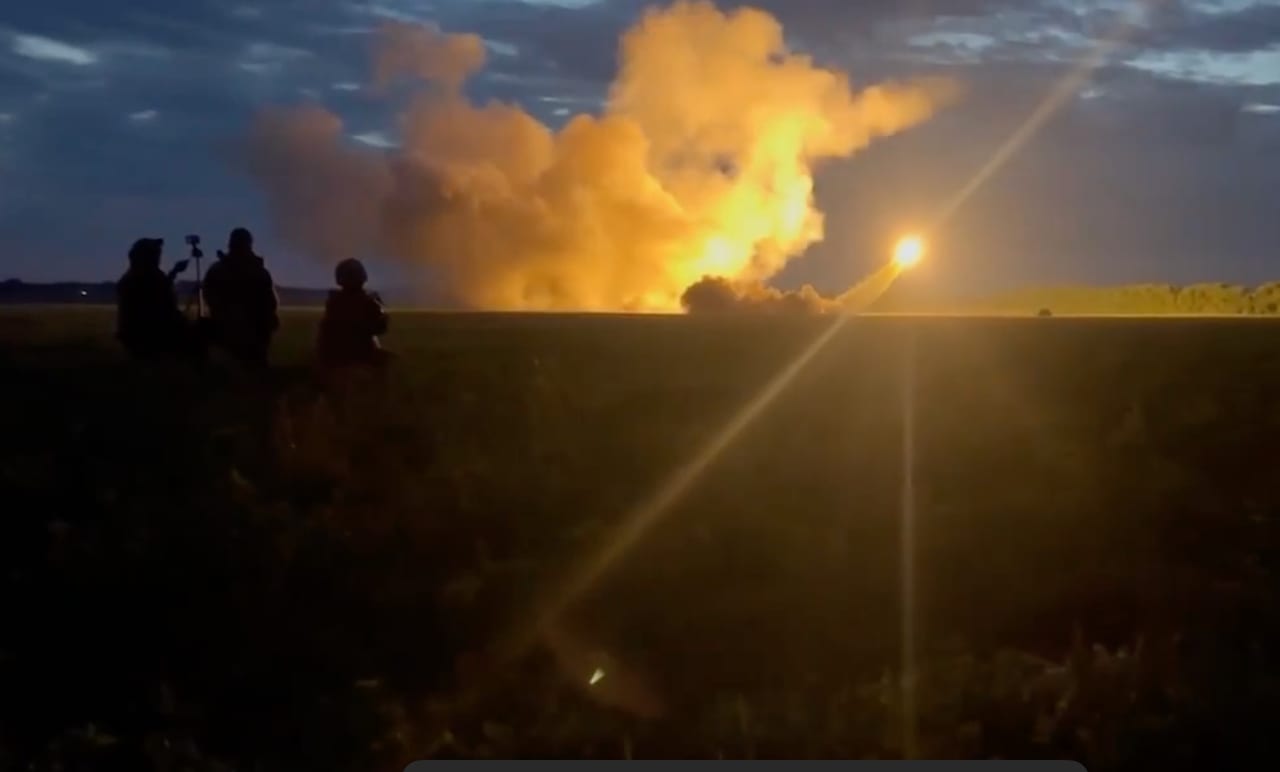
Ukraine's ability to neutralize Russian ballistic missile launchers is crucial for protecting its infrastructure and civilian population from devastating attacks, potentially altering the strategic balance of the conflict.
Ukraine is intensifying efforts to counter Russia's ballistic missile threat by targeting the launch systems themselves, a strategy President Volodymyr Zelensky revealed has already yielded initial successes. This approach aims to preempt large-scale missile attacks, a critical need given Ukraine's dwindling stocks of advanced U.S.-made Patriot interceptors, which are the only Western air defense systems reliably capable of countering ballistic missiles.
Zelensky announced on Aug. 22 that Ukrainian forces had successfully struck an Iskander ballistic missile launcher near Ukraine's border, an operation he stated prevented an imminent Russian attack. This marks a significant development in Ukraine's defense strategy, shifting from solely intercepting missiles to neutralizing the assets that launch them.
The reliance on Patriot systems highlights a critical vulnerability, as global supplies are strained. Russia, aware of this weakness, has reportedly ramped up its ballistic missile production, with Zelensky estimating an annual output of 1,300 missiles and a current stock exceeding 600. Ukraine's diplomatic efforts have largely focused on securing more interceptors, while joint European-Ukrainian projects like Freyja aim to develop alternatives, though these are years away from deployment.
Consequently, Ukraine is increasingly focused on offensive operations against Russian launch assets and their logistics. This intelligence-heavy and sensitive mission requires sophisticated methods, including satellite imagery analysis, early warning radar data, and the use of drones equipped with SpaceX's Starlink terminals for real-time targeting. However, striking targets within Russian territory presents unique challenges, including obtaining permission from Elon Musk for Starlink usage, which has reportedly been complicated by diplomatic misunderstandings.
Pick the topics you care about. Get only what matters, on your cadence.