Key facts
- Azov said Russian forces hid the depot and guarded it with camouflage, electronic warfare systems and mobile fire groups.
- Azov said its units destroyed the storage site and the logistics infrastructure supporting it.
- Azov said the two earlier phases of the campaign also targeted Russian storage and logistics in occupied Ukrainian territory.
- Azov said Hell-2 destroyed 67 fuel tanks holding 4,221 metric tons of fuel, plus supply vehicles.
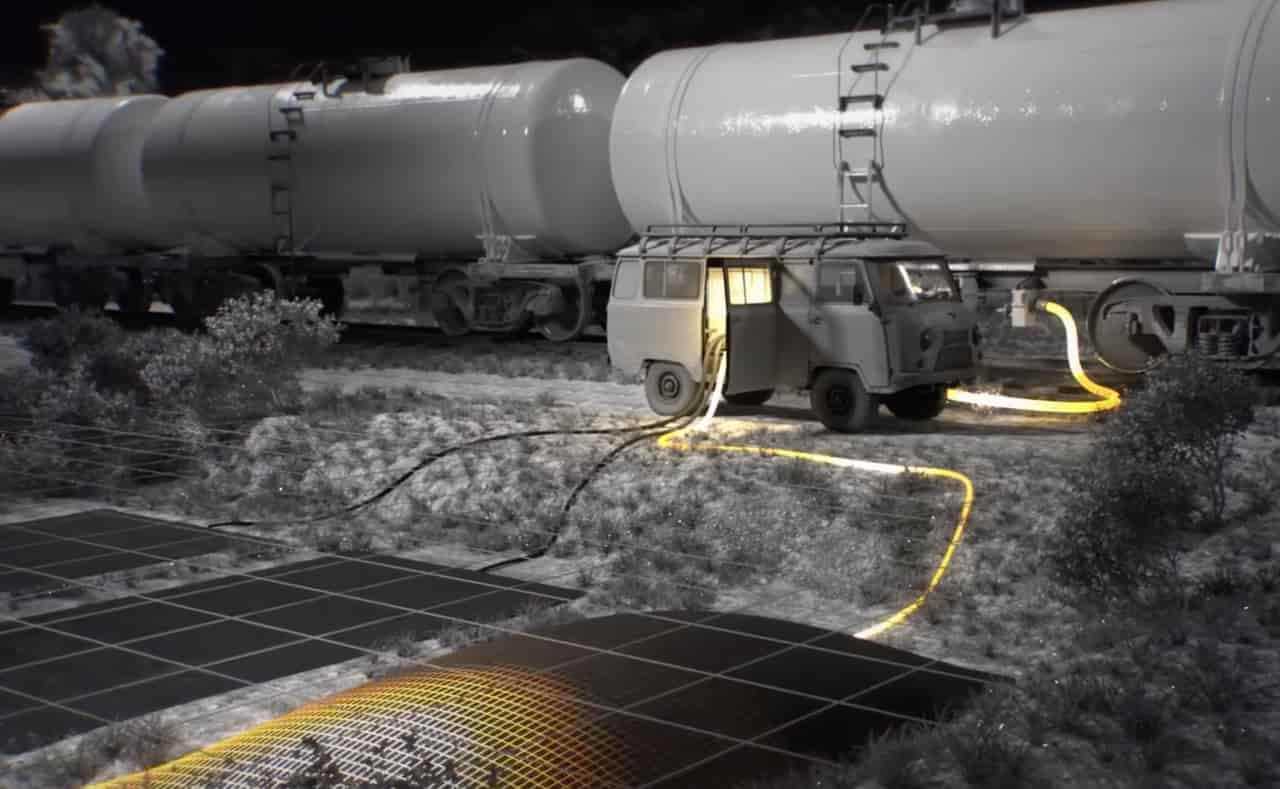
Azov's 1st Corps and the 9th Army Corps said on November 27 that operation "Hell-3" destroyed Russian fuel reserves concealed in Russian-occupied Donetsk Oblast. The units described the strike as a continuation of Azov's campaign against Russian military logistics.
According to Azov, Russian forces had hidden the depot and tried to protect it with camouflage, electronic warfare systems and mobile fire groups. The Ukrainian units said they destroyed both the storage site and the logistics infrastructure supporting it. The statement gave no location beyond occupied Donetsk Oblast and no figure for the fuel destroyed.
The operation follows two earlier phases. Azov announced Operation Hell-2 on August 17, saying it destroyed 67 fuel tanks holding a total of 4,221 metric tons of fuel across occupied Donetsk Oblast, along with vehicles used to move supplies to Russian troops. Operation Hell-1, announced on July 1, struck a fuel depot in Novoamvrosiivka in occupied Donetsk Oblast using Hornet drones, and also hit railway infrastructure, an electrical substation and storage tanks, which Azov said forced Russian forces to abandon the depot and redirect supplies into Russia.
The report states that Ukrainian strikes have increasingly disrupted Russian resupply and that Moscow's battlefield advance has slowed amid heavy casualties and difficulty sustaining offensives. It gives no independent assessment of the damage at the Hell-3 site and no supply consequence beyond Azov's account.