Key facts
- Skibitskyi said Innosat is a low-Earth-orbit project built by St. Petersburg-based Geoscan under a plan for 240 satellites by 2036.
- Russia plans to expand Rassvet, developed by Bureau 1440, to 924 satellites by 2035, Skibitskyi said.
- HUR estimated the Rassvet and Innosat networks will support around 22,000 terminals combined, against more than 10 million Starlink users.
- Skibitskyi said HUR plans to target the 49 identified Russian companies' production through long-range strikes and sabotage.
- Skibitskyi warned Russia could fit weapons with receivers for the network and operate naval drones or aircraft far beyond the Black Sea.
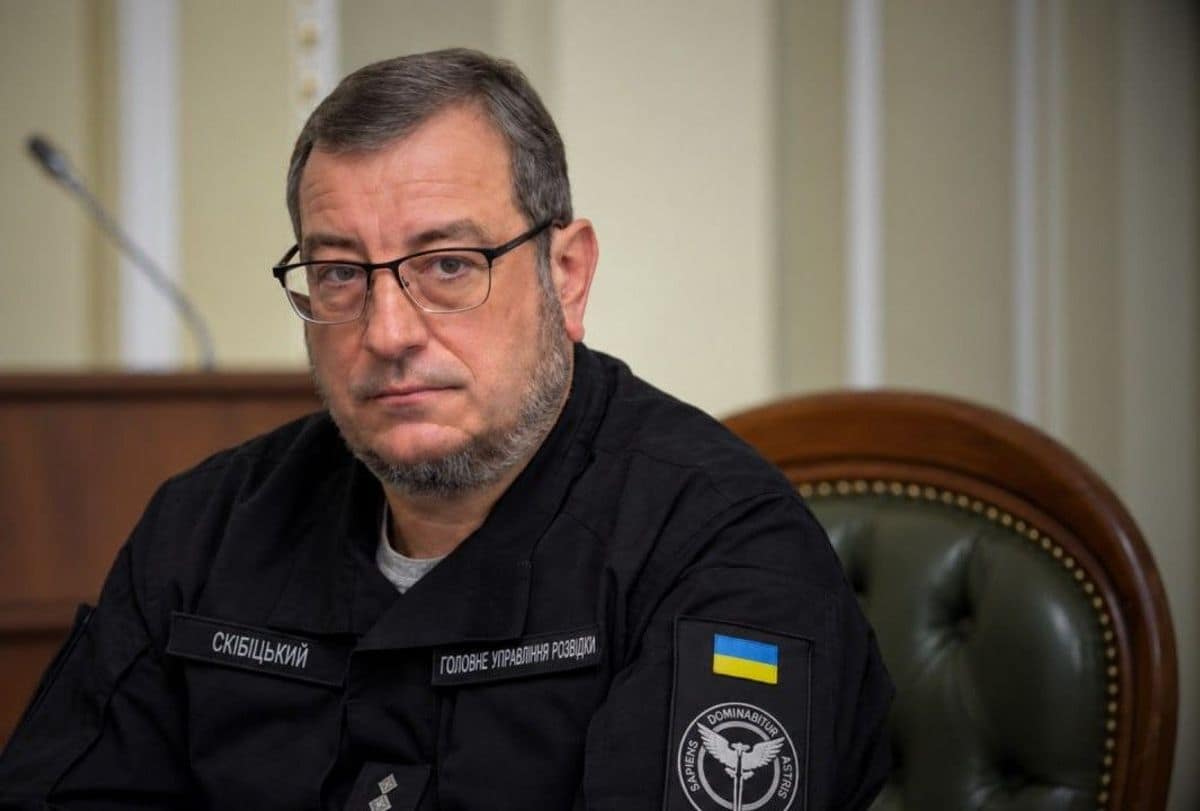
Russia is expanding its Rassvet military satellite network while developing a second low-Earth-orbit system called Innosat, Ukraine's military intelligence deputy chief, Major General Vadym Skibitskyi, said in an interview with The Times published on November 25, 2026.
Skibitskyi said Innosat is being developed by St. Petersburg-based Geoscan as part of a Russian 10-year plan to deploy 240 satellites by 2036. Russia is already using Rassvet, built by Russian company Bureau 1440, as an alternative to Starlink, and plans to expand that constellation to 924 satellites by 2035, he said.
Of the 32 Rassvet satellites launched in 2026, 30 are operational, but coverage over Ukraine is intermittent and lasts no more than 40 minutes at a time, according to Skibitskyi. Technical problems have led Russia to delay the launch of another 16 satellites, he said.
HUR estimated that the Rassvet and Innosat networks will support around 22,000 terminals combined, compared with more than 10 million Starlink users. Skibitskyi said satellite systems offer a harder-to-jam connection than other communications, allowing troops to be coordinated and drones operated in real time.
He said the statement comes as Russia continues to expand its satellite network after SpaceX introduced mandatory Starlink registration for users in Ukraine, which he said significantly disrupted Russian operations.
HUR has identified 49 Russian companies involved in developing the network and plans to target their production capabilities through all possible means, from long-range strikes to sabotage, Skibitskyi said. He also warned the network could have security implications beyond Ukraine, saying Russia could equip weapons with receivers and operate naval drones or unmanned aircraft in Europe, Africa, the Middle East or the Far East.