Key facts
- Ukraine is considering mandatory military service for women to address manpower shortages.
- Over 75,000 women currently serve in Ukraine's Armed Forces.
- Challenges include ill-fitting equipment and a lack of gender-specific uniforms and body armor.
- Most women serve in support roles, not front-line combat positions.
- Parliament has stated that women's mobilization is not currently being considered.
The debate over mobilizing women into Ukraine's armed forces has intensified amid ongoing manpower challenges. Former Defense Minister Oleksii Reznikov proposed making military service mandatory for women, arguing it would "immediately double the mobilization pool." This idea has been met with both support and skepticism. U.S. Special Envoy Keith Kellogg echoed the sentiment, stating women fight no worse than men. However, the Ukrainian parliament has clarified that such a mobilization is not being considered, and military service for women remains voluntary. President Zelensky previously stated he would not sign a law mandating women's service.
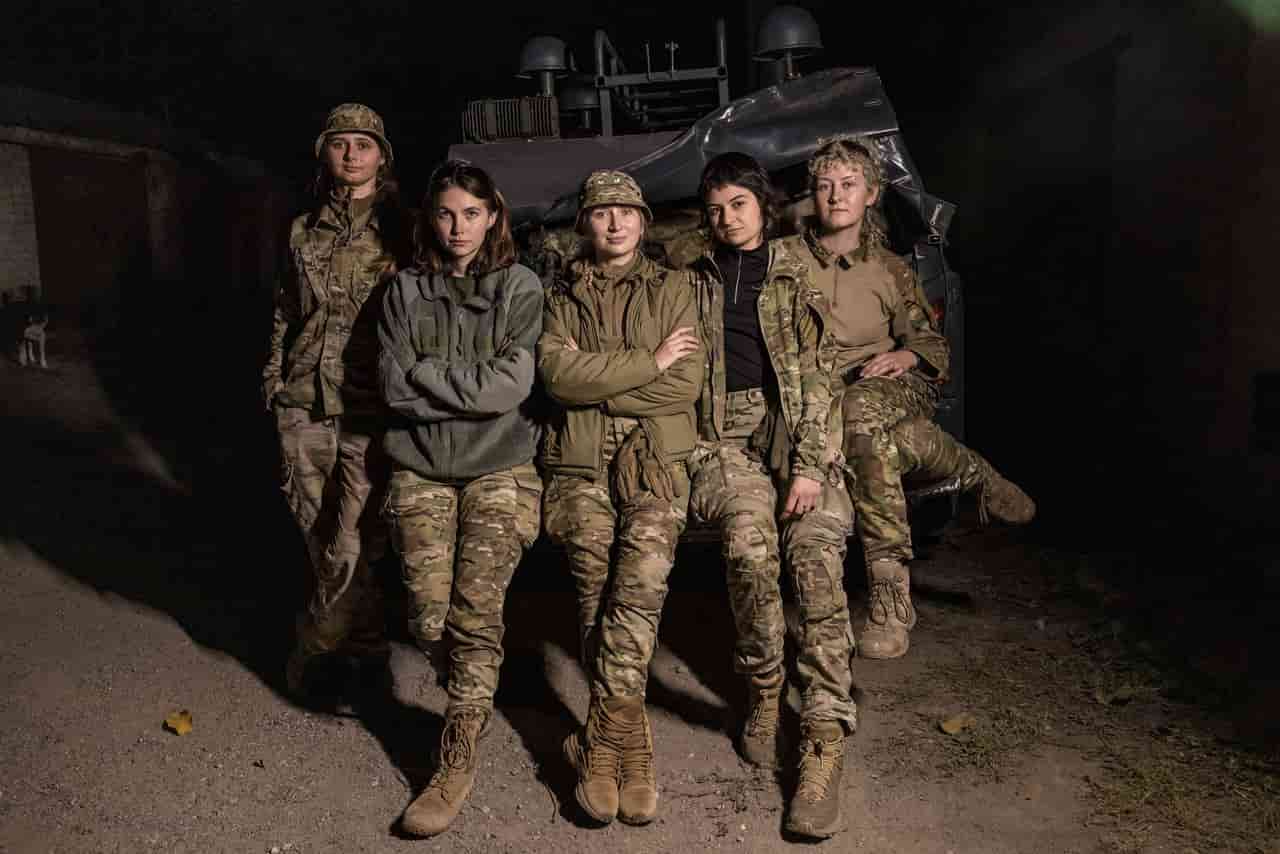
Currently, over 75,000 women serve in Ukraine's Armed Forces, a number that has nearly doubled since the full-scale invasion began. While military registration is mandatory only for women with medical or pharmaceutical training, many women have voluntarily joined. The majority of women serve in support roles such as medicine, logistics, analysis, and drone operations, rather than in front-line infantry units, where the most acute personnel shortages exist. Analysts like Viktor Kevliuk note that while doubling the pool is theoretically possible, practical limitations exist, and a significant increase in front-line combat roles for women is unlikely in the short term.
Servicewomen face significant challenges, including a lack of properly fitted equipment, such as body armor and uniforms designed for women's bodies, which can lead to serious health issues. Nataliia Lishchyshena's experience with a benign tumor leading to a mastectomy, linked to her service and ill-fitting body armor, highlights these problems. Surveys indicate a high percentage of women in the military experience breast health issues. While legal restrictions on women in combat roles were lifted in 2018, the military has been slow to adapt its equipment. The first standard-issue women's uniform was introduced only in 2023, and women-specific body armor procurement is still in its early stages. Some suggest that integrating more women into rear positions could allow men with health limitations to be moved to the front lines, but this would require significant changes to staffing structures and training.
Despite these challenges, attitudes toward women in the military have improved, and their presence is no longer unusual. However, skepticism and the need for better equipment and support persist. Organizations like Zemliachky are working to provide essential gear to servicewomen. The issue of sexual harassment, though not widely reported by interviewed servicewomen, remains a sensitive topic.