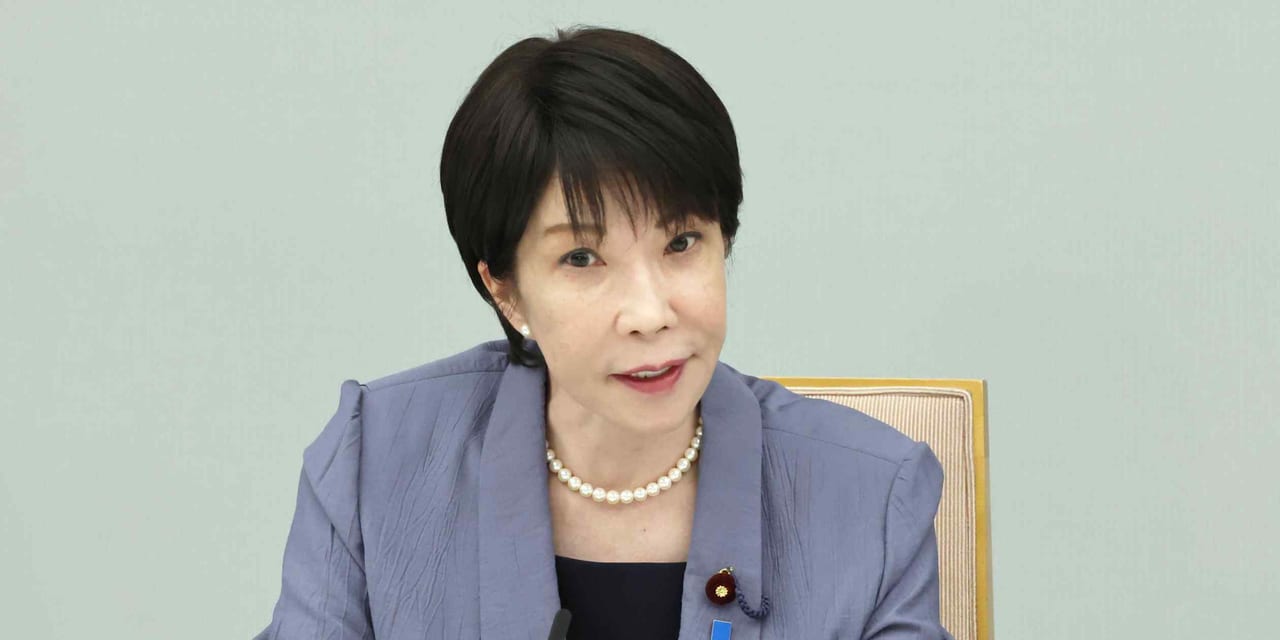
Japanese Prime Minister Sanae Takaichi is preparing for a significant cabinet reshuffle, anticipated as early as mid-September. A key objective of this shake-up is to install individuals in critical positions who possess strong communication skills and understanding of the United States, in anticipation of increased pressure from Washington on both economic and security fronts.
Among the prominent figures whose future is uncertain is Defense Minister Shinjiro Koizumi. Despite a relatively successful tenure, marked by public visibility and effective representation in global security engagements, his continued role is not guaranteed amidst growing frustrations within the ruling Liberal Democratic Party (LDP). Koizumi, who previously finished second in the LDP leadership race against Takaichi, remains a strong contender for future leadership.
Attention is also focused on LDP Secretary General Shunichi Suzuki, a brother-in-law of former Prime Minister Taro Aso. His retention in the post, which he secured with Aso's backing, could be crucial for Takaichi's own re-election prospects in the upcoming LDP leadership contest. However, concerns have been raised regarding communication between Takaichi and Suzuki, particularly given Suzuki's interest in potentially bringing the opposition Democratic Party for the People into the ruling coalition, a move opposed by some within the LDP and by Aso regarding Takaichi's proposed consumption tax reduction.
Chief Cabinet Secretary Minoru Kihara, who aligns with Takaichi's conservative views, is expected to be retained, serving as a key confidant and liaison. The reshuffle also signals Takaichi's intention to include a member from the Japan Innovation Party, the LDP's junior coalition partner, in the Cabinet. This upcoming overhaul will be the first major restructuring of the LDP leadership and the Cabinet since Takaichi assumed leadership and was elected prime minister last October.