Key facts
- The murder trial of Lindsay Clancy concluded in a mistrial due to a hung jury.
- Jurors deliberated for over 30 hours but could not reach a unanimous verdict.
- Clancy's defense argued she suffered from postpartum psychosis and overmedication, while prosecutors maintained she had criminal intent.
- The case has highlighted debates on postpartum psychosis and the legal system's treatment of mothers accused of harming their children.
- A new trial date may be set on September 29, with the defense also planning to file a motion for a directed finding of not guilty.
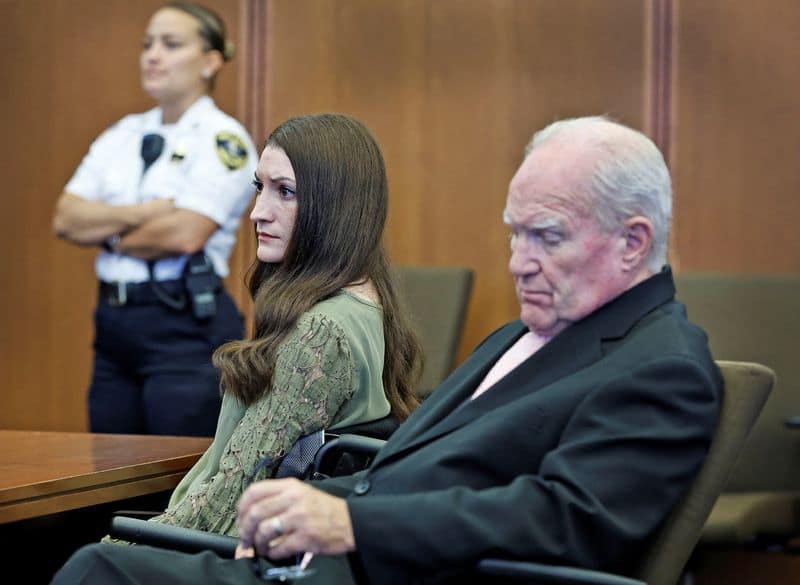
The murder trial of Lindsay Clancy, accused of killing her three young children, has concluded in a mistrial after jurors were unable to reach a unanimous verdict.
After five weeks of proceedings and over 30 hours of deliberation spread across six days, a single juror's expressed reasonable doubt prevented a conclusion. The jury foreperson indicated that this juror would not follow the law, leading to the deadlock.
Clancy, a 36-year-old former nurse, did not dispute the killings but pleaded not guilty, with her defense attorney, Kevin Reddington, attributing her actions to postpartum psychosis and overmedication. Prosecutors, however, argued that she possessed criminal intent.
The mistrial was declared after a judge declined to intervene in a defense petition to replace the dissenting juror with an alternate. Clancy, who sustained paralyzing injuries after jumping from a window following the killings, remains at Tewksbury hospital.
Victims' rights advocate Shari Karney noted the complexity of Massachusetts law regarding criminal responsibility and highlighted the challenges in diagnosing and treating postpartum psychosis, suggesting a systemic bias against mental health issues.
During the trial, mental health experts presented conflicting testimonies. Defense forensic psychiatrist Phillip Resnick testified that Clancy was psychotic and experiencing command hallucinations, while forensic psychiatrist Avram Mack argued she suffered from a major depressive episode but retained the capacity to know right from wrong.
Clancy's mother and former mother-in-law testified about her struggles and her attempts to seek help in the months leading up to the tragedy.
Plymouth county district attorney Tim Cruz will decide whether to pursue a second trial. Reddington indicated readiness for a retrial but did not rule out the possibility of a plea deal. A status hearing is scheduled for September 29, where a new trial date could be set.