Key facts
- Ukraine is implementing a redesigned "Defense of Ukraine" course for 10th and 11th graders, starting September 2027.
- The course involves a full day per month of practical training at specialized hubs, covering skills like drone operation, tactical medicine, and firearms handling.
- The curriculum is designed to provide students with practical skills for self-protection and introduce them to military careers.
- Legal experts highlight the importance of distinguishing Ukraine's defensive preparedness from Russia's documented militarization of children.
- The redesigned course includes a civic component emphasizing democratic values and human rights, alongside practical military skills.
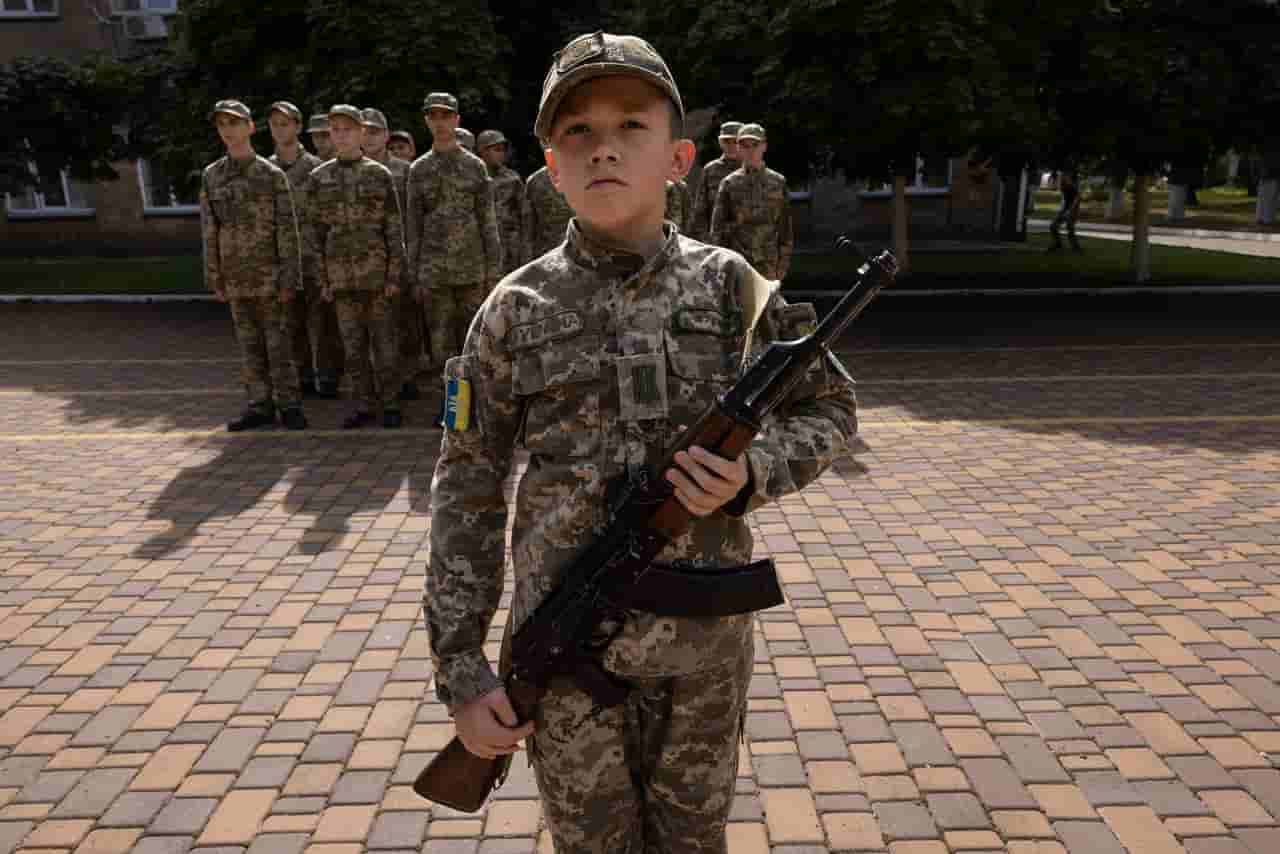
Ukraine is overhauling its education system to equip teenagers with practical defense skills amidst the ongoing conflict with Russia. A redesigned, compulsory "Defense of Ukraine" course for 10th and 11th graders will commence in September 2027, dedicating a full day each month to specialized training hubs.
These hubs will offer instruction in tactical medicine, navigation, drone operation, and firearms handling, utilizing simulators, drones, and firearm replicas. The initiative aims to provide students with essential survival skills and introduce them to potential military careers. According to the Education Ministry, the course is intended to give students "practical skills needed to protect themselves."
Legal experts, such as Kateryna Rashevska of the Regional Center for Human Rights, emphasize the distinction between Ukraine's defensive preparedness and the militarization and indoctrination documented in Russia. Rashevska notes that Ukraine is in a "fundamentally different legal situation" and stresses the need for a balance, suggesting that alongside practical modules like mine safety and tactical medicine, children should also study human rights and international humanitarian law.
The curriculum reform, developed with input from active-duty service members, is dynamic and adapts to changing tactical conditions. Instructors, many of whom are veterans, aim to present the military as an interesting, technological, disciplined, and physically active field. The course is envisioned as the first stage in a longer preparation system, with skills potentially reinforced at university and through regular training sessions.
Beyond military skills, the redesigned course incorporates a civic and values-based component. This includes discussions on defending the country's values, human rights, and dignity, contrasting them with Russia's model. It also introduces students to non-military civic and professional paths, highlighting the contributions of activists, entrepreneurs, and those who build foundations and NGOs.
However, challenges remain in assessing elements like patriotism and civic responsibility, and in fostering a common societal vision for national defense. Educators acknowledge the complexity of teaching identity and ensuring a shared understanding of what is being protected.