Key facts
- The NIH will use part of its budget to fund Department of Defense research.
- The funding will support development of medical countermeasures against pandemic influenza, CBRN threats, and emerging infectious diseases.
- Money will be transferred from the NIH's National Institute of Allergy and Infectious Diseases (NIAID) budget.
- The agreement is set to run for a decade.
- NIH leadership had previously rejected biodefense research, making this funding move striking.
- Senator Patty Murray criticized the deal as a way to move money to the Pentagon without congressional approval.
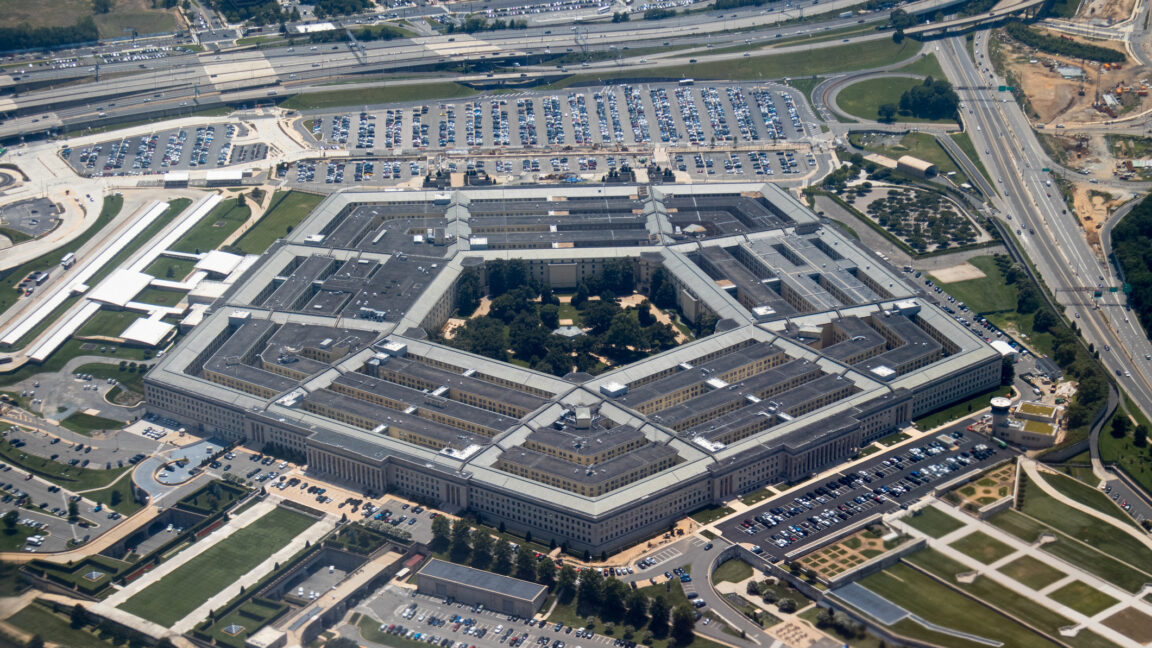
The National Institutes of Health (NIH) has reached an agreement with the Department of Defense (DoD) that will see a portion of the NIH's budget allocated to fund research within the DoD. This arrangement, confirmed by the DoD, involves the NIH transferring funds to support projects focused on advanced medical countermeasures against pandemic influenza, chemical, biological, radiological, and nuclear (CBRN) threats, and emerging infectious diseases.
The funding will be drawn from the budget of the NIH's National Institute of Allergy and Infectious Diseases (NIAID), which has a $6.6 billion allocation for 2026. The agreement is set to span ten years. While the exact amount to be transferred remains unspecified, reports suggest the DoD was seeking up to 10 percent of its total budget from NIAID, a significant sum given the DoD's overall budget is approximately one trillion dollars.
This deal is particularly striking because the research areas to be funded by the NIH have been explicitly rejected by current NIH leadership. Earlier this year, NIAID and NIH heads called for a shift away from biodefense research in favor of focusing on infectious diseases that Americans currently face. The agreement, however, includes funding for research aimed at protecting the U.S. from future pandemic strains and CBRN threats, effectively using NIH money to pursue research its own leadership does not prioritize.
The move has drawn criticism, with Senator Patty Murray suggesting it is a method to transfer funds to the Pentagon without explicit congressional approval. Some observers also view this as a potential long-term strategy to shift biosecurity research responsibilities from the NIH to the DoD. The vagueness of the agreement makes its precise consequences difficult to ascertain until spending data becomes available, and future Congresses may seek to prohibit such arrangements.