Key facts
- President Trump directed the GSA to remove Canadian products from its Multiple Award Schedules.
- The action is a response to Canada's alleged restrictions on American businesses in its government procurement markets.
- The U.S. claims Canada has imposed discriminatory tariffs and bans on American goods, including vehicles and alcohol.
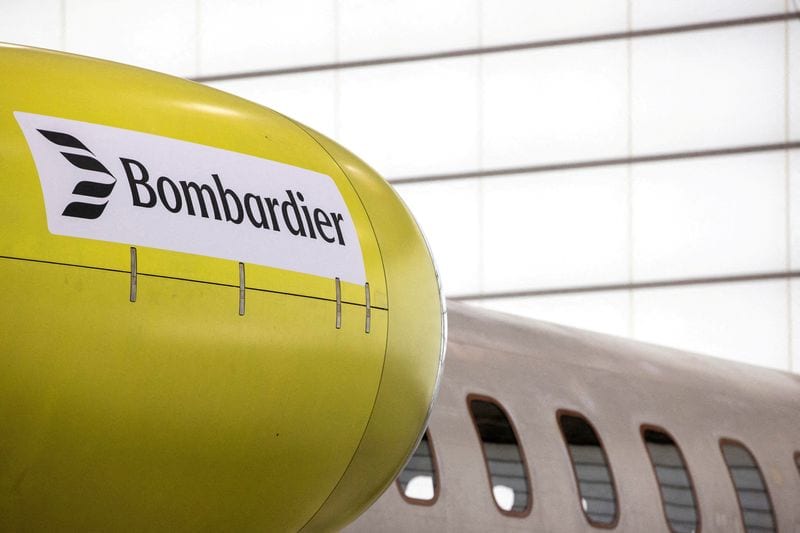
- Bombardier is continuing to recruit American workers for 500 open jobs in the U.S., including for a new service center in Fort Wayne, Indiana.
- Bombardier planes can still be delivered to U.S. customers, indicating the aerospace sector is being spared from broader trade war measures.
U.S. President Donald Trump announced he is directing the General Services Administration (GSA) to remove Canadian-origin products from the agency's Multiple Award Schedules unless Canada restores "full and fair reciprocity" for American farmers and companies. Trump stated the Canadian government has banned American small businesses from selling into their government procurement markets. The GSA, in coordination with the U.S. Trade Representative (USTR), is tasked with taking necessary steps to remove these products. Previously, the U.S. Small Business Administration (SBA) and GSA removed 22 falsely labeled foreign-made flatware products from GSA Advantage! to support purchasing American-made goods. The White House detailed alleged Canadian trade abuses, including discriminatory tariffs on U.S. motor vehicles, bans on American wine, beer, and spirits, and restrictive dairy tariffs, contributing to a persistent average annual goods trade deficit of approximately $50 billion over the last decade. Despite Trump's threats, Canadian company Bombardier is continuing to recruit American workers for 500 open jobs, including for a new service center in Fort Wayne, Indiana, and its planes can still be delivered to U.S. customers, suggesting the aerospace sector is being spared from broader trade war measures.