Key facts
- Nearly 340 drone incidents were recorded at or near UK Defense Ministry facilities in the eight months through August 2026.
- The 2026 total for UK drone incidents has already surpassed 2025's total of 250 and 2024's total of 126.
Nearly 340 drone incidents were recorded at or near UK Defense Ministry facilities in the eight months through August 2026, surpassing totals from previous years. The activity, occurring at a near-daily rate, is part of a wider trend of suspicious drone activity across Europe, prompting warnings from NATO officials about escalating hybrid warfare tactics.
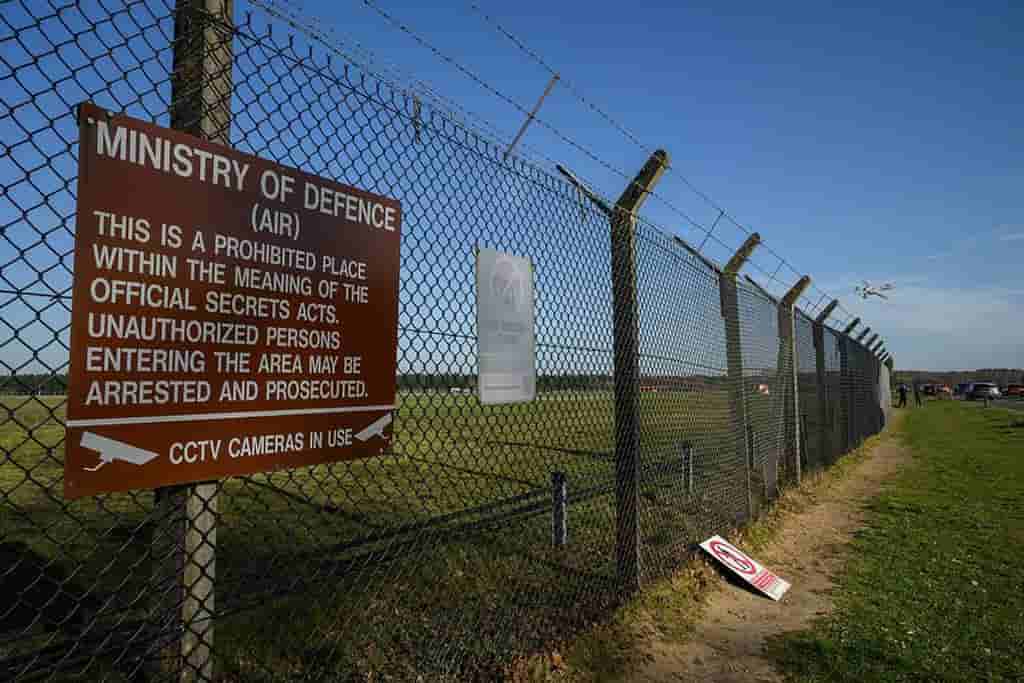
The increasing frequency of drone incidents at military sites and disruptions to civilian infrastructure across Europe signals a widening hybrid threat, potentially aimed at undermining public confidence and alliance cohesion, and testing NATO's response capabilities.
Close to 340 drone incidents were recorded at or near U.K. Defense Ministry facilities over an eight-month period in 2026, according to figures obtained under freedom-of-information laws and reported by The Independent. This marks a significant increase from previous years, with the 2026 total already surpassing the 250 incidents recorded in all of 2025 and 126 in 2024. The incidents are occurring at a near-daily rate, and the total for the year is expected to climb higher.
While the U.K. Defense Ministry has not publicly identified the perpetrators, experts cited in the report suggested actors working in the interests of Russia or Iran may be responsible. Former U.K. Defense Minister Tobias Ellwood criticized the government's response, stating that British forces are increasingly being treated as targets and that protections for military and critical infrastructure are inadequate.
The drone activity over the U.K. is part of a broader pattern of unexplained UAV activity across Europe. On September 18, Luxembourg's Findel airport temporarily halted operations due to suspected drone activity nearby. NATO officials have warned that such hybrid attacks are increasingly aimed at undermining public confidence and alliance unity. Admiral Giuseppe Cavo Dragone, Chair of the NATO Military Committee, stated at a press conference on September 19 that the alliance must balance deterrence with avoiding escalation, and that public opinion itself is a target of these activities.
European governments are reportedly stepping up preparations for potential Russian hybrid attacks, which could include drones, missiles, sabotage, and cyberattacks, as a means to test NATO countries and pressure them regarding their support for Ukraine.