Key facts
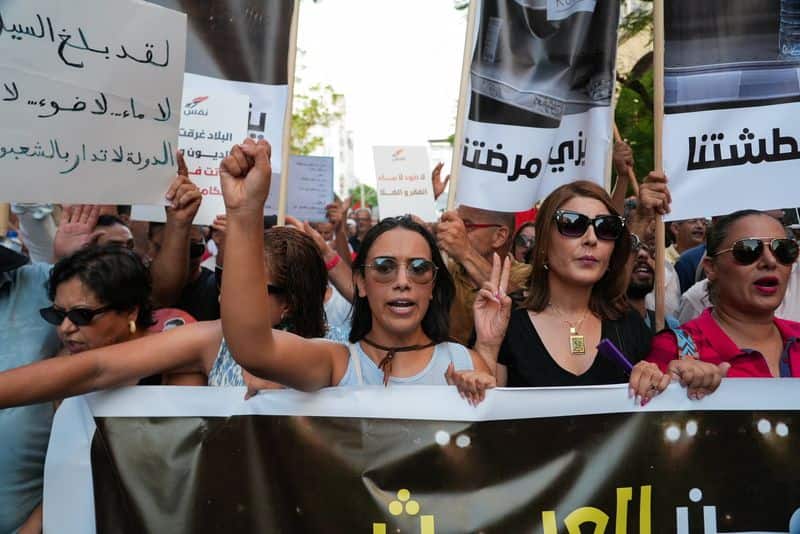
- Hundreds of Tunisians protested against President Kais Saied, demanding his removal and the return of democracy.
- Protesters criticized the country's deteriorating economic and social conditions, including shortages of basic goods and medicines.
- Demonstrators accused Saied's government of a crackdown on opposition leaders, civil society groups, journalists, and activists.
- President Saied denies accusations of political repression, stating he is pursuing those suspected of financial corruption or conspiring against the state.
Hundreds of activists and opponents of Tunisian President Kais Saied protested in Tunis, calling for his departure and the restoration of democracy. Demonstrators expressed rejection of "one-man rule" and a "slide towards dictatorship," demanding the release of jailed opposition figures, activists, and journalists.
The protests highlight growing political and economic discontent in Tunisia, where citizens face mounting cost-of-living pressures, deteriorating public services, and shortages of basic goods and medicines. Similar demonstrations occurred last month, coinciding with the anniversary of Saied's 2021 measures that dismissed the government, dissolved parliament, and led to him governing by decree.
Saied's actions, including dissolving the Supreme Judicial Council and dismissing judges, have drawn international condemnation and accusations of undermining judicial independence. Rights groups accuse his government of a broad crackdown on opponents, using the judiciary and security forces to suppress dissent. Saied, however, denies these accusations, asserting he is enforcing the law and targeting corruption and state conspiracy.