Key facts
- France faces a challenging budget season ahead of the 2027 presidential election.
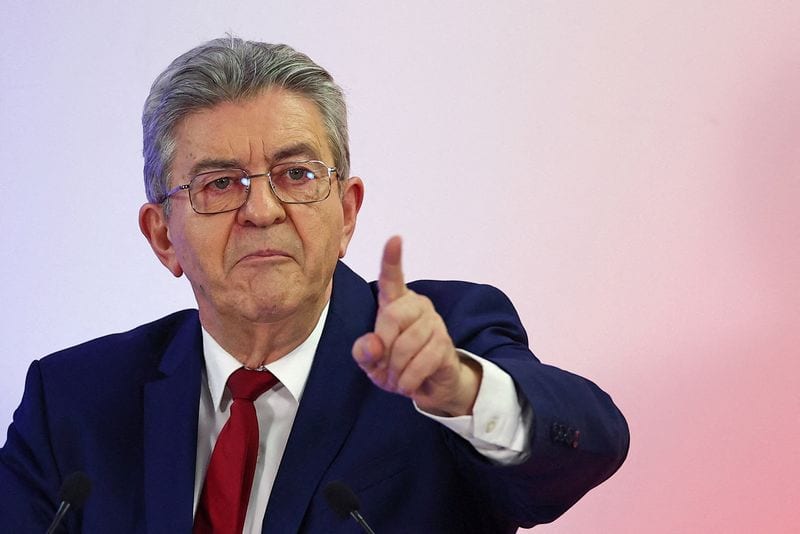
- Far-left candidate Jean-Luc Melenchon proposed the Bank of France cancel its holdings of French government debt.
- Prime Minister Sebastien Lecornu condemned the debt cancellation proposal as 'fraud' and warned of market backlash.
- Investors are demanding a higher premium to hold French debt due to expected volatility.
- Polls suggest Melenchon could reach the presidential runoff, potentially against Marine Le Pen.
France is navigating a precarious annual budget battle as political parties position themselves for the 2027 presidential election, while investors express concern over the nation's public finances. The government, led by Prime Minister Sebastien Lecornu, faces a hung parliament and increasing pressure to address a deficit that is among the highest in the Eurozone. The situation is further complicated by the potential for populist candidates like Jean-Luc Melenchon and Marine Le Pen to advance to the presidential runoff, both advocating for policies that could increase spending.
Melenchon's proposal for the Bank of France to cancel its holdings of French government debt has ignited controversy. He argues this would reduce France's public debt ratio, which stands at over 116% of GDP, and create fiscal space. However, Prime Minister Lecornu has denounced the idea as 'fraud' and warned of severe market repercussions, including higher borrowing costs. Former IMF chief economist Olivier Blanchard has also criticized the debate as 'idiotic' and irresponsible, suggesting it would undermine confidence among private investors.
Investors are anticipating significant market volatility in the coming months, with French bond yields already widening against German benchmarks. Credit rating agencies are also set to review France's creditworthiness. The government aims to pass a budget in early October, with proposed 'big savings measures,' but parliamentary tensions and the looming election create substantial uncertainty about its ability to implement necessary fiscal reforms.