Key facts
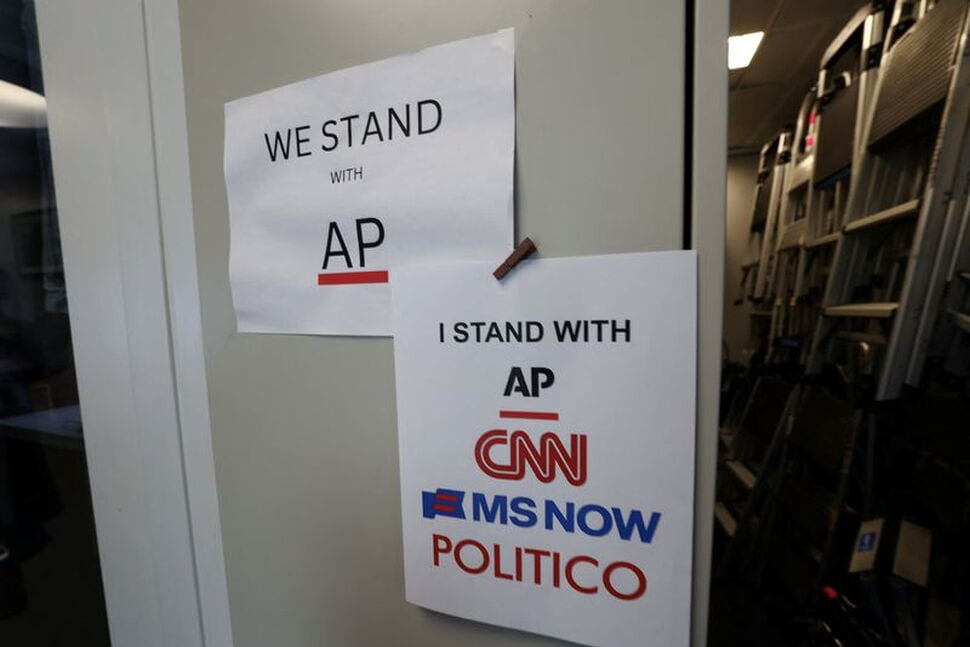
- President Donald Trump banned CNN, MSNOW, and Politico from White House grounds over their coverage.
- The outlets claim the ban violates their First Amendment rights and due process.
- A lawsuit was filed in federal court seeking a temporary restraining order against the ban.
- US District Judge Timothy Kelly will hear arguments on the request for a restraining order on Wednesday.
- Legal experts suggest the government cannot condition press access on favorable coverage once it has been granted.
- The White House stated the outlets are capable of reporting from outside the White House.
US President Donald Trump's administration has banned CNN, MSNOW, and Politico from White House grounds, citing their reporting as "FAKE NEWS." The move, announced on Friday, September 21, 2026, is part of a broader effort by the Republican president to pressure news organizations whose coverage he dislikes. Trump indicated on Saturday that more outlets could face similar bans.
In response, CNN, MSNOW, and Politico filed a lawsuit in federal court on Monday, September 23, 2026. They argue that the ban constitutes unlawful retaliation for legally protected speech under the First Amendment and violates their right to due process. The outlets stated that their press credentials, known as "hard passes," were deactivated, and they were denied access without advance notice or an opportunity to contest the decision.
Legal experts consulted by Reuters suggest that the administration's justification for the ban could undermine its legal standing. "They don’t have to allow anyone in, but once they do, they cannot decide who gets in based on viewpoint or content,” said Lucy Dalglish, a journalism professor at the University of Maryland. The White House, in a statement, maintained that the news outlets were capable of reporting from outside the White House and that "Fake News has no place demanding a spot in the President’s Oval Office."
US District Judge Timothy Kelly, who previously blocked a ban on a CNN reporter during Trump's first presidency, has scheduled a hearing for Wednesday, September 25, 2026, to consider the outlets' request for a temporary restraining order. While presidents have discretion over access to highly controlled spaces like the Oval Office, legal precedent generally prohibits conditioning press access on favorable coverage once it has been granted.