Key facts
- The Trump administration is preparing to impose sweeping sanctions on the International Criminal Court (ICC).
- The proposed sanctions could be finalized as early as this week during the UN General Assembly.
- Measures would prohibit most transactions with the ICC after a six to seven-month grace period.
- The sanctions could prevent the court from conducting transactions in US dollars.
- The US has previously sanctioned ICC judges and leadership in response to arrest warrants for Israeli leaders.
- Several US-based rights groups have sued the Trump administration over existing sanctions on ICC officials.
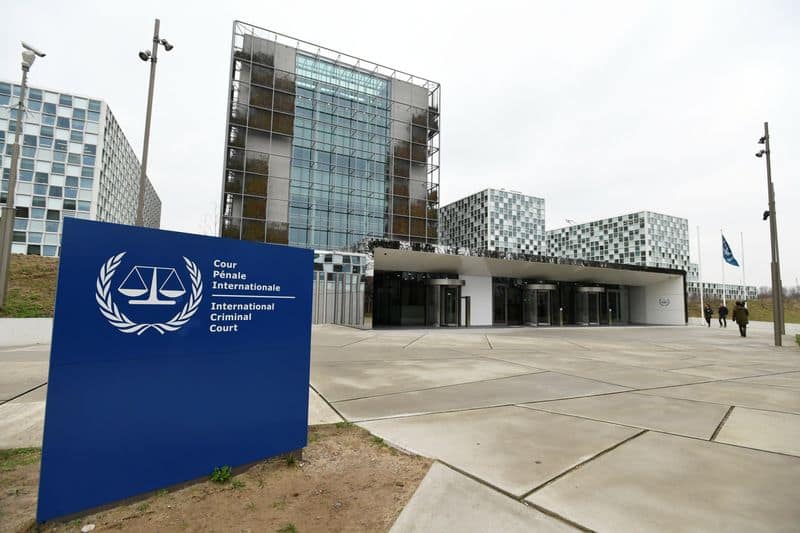
The Trump administration is preparing to impose "sweeping" sanctions on the International Criminal Court (ICC), potentially finalizing them as early as this week during the United Nations General Assembly in New York, according to reports citing the Wall Street Journal. These measures would target the court as an institution, following previous sanctions on its judges and leadership in response to arrest warrants issued for Israeli leaders in 2024.
Officials and experts have warned that sanctioning the institution could severely impact its operations by cutting it off from the US dollar and the broader international financial system, as banks often over-comply with US sanctions. The proposed restrictions would prohibit most transactions with the ICC after a grace period of six to seven months, though an exemption for communications services is reportedly included.
Reuters also reported that sanctions against the entire ICC had been prepared, with US Treasury sanctions prohibiting American citizens and companies from providing funds, goods, or services to the court without a license. ICC officials have previously warned that such sanctions could disrupt IT services, insurance, recruitment, and payments to American employees.
Many have called on the European Union to activate its Blocking Statute to shield the ICC from US sanctions, but the European Commission has not yet triggered the mechanism. ICC expert Sergey Vasiliev criticized the EU and ICC states for not preparing contingency plans. Washington has previously sanctioned ICC officials, including court president Tomoko Akane and former chief prosecutor Karim Khan, describing the measures as a "financial death penalty."
Secretary of State Marco Rubio has advocated for isolating the ICC, while several US-based rights groups have filed lawsuits challenging the sanctions as "blatantly illegal" and a violation of constitutional rights. In December, diplomats reported that the Trump administration had pressed the ICC to drop investigations into war crimes in Palestine and Afghanistan as a condition for lifting sanctions.