Key facts
- US Treasury is drafting rules for pharmaceutical companies investing in China.
- Rules likely to allow most licensing deals for Chinese drugs, excluding pathogens or weaponizable biotech.
- Some lawmakers and smaller drugmakers view investment as a national security risk.
- Outside licensing deals in Chinese biotech were valued at $115 billion last year.
- Pfizer CEO Albert Bourla believes licensing deals do not pose a national security concern.
- Bristol Myers Squibb and Pfizer have recently signed multi-billion dollar partnerships with Chinese firms.
The US Treasury Department is developing new rules that would likely permit American pharmaceutical companies to continue engaging in most licensing agreements with Chinese drug developers, according to three individuals familiar with the process. This approach signals a potential softening compared to the Trump administration's broader efforts to restrict business with China on national security grounds and contrasts with the desires of some lawmakers and smaller biotech firms who advocate for stricter controls.
The proposed regulations, still in draft form and subject to change, would reportedly allow US companies to invest in promising new drugs from Chinese firms, provided these do not involve pathogens or biotechnology with potential for weaponization. Such deals could facilitate billions of dollars in transactions, bolstering US companies' drug pipelines and providing crucial capital to Chinese firms. Last year, licensing deals in Chinese biotech were valued at $115 billion, with nearly half of US deals to license drugs from abroad projected to be with Chinese companies in 2025 and 2026.
However, this potential policy shift faces opposition. Some lawmakers and smaller drugmakers argue that such investments pose a national security risk and could undermine America's leadership in drug development. They express concern about fostering strategic dependence on China for innovative medicines. For instance, Republican Representative John Moolenaar and Democrat Debbie Dingell are backing legislation to tighten regulatory oversight of biotechnology investments, licensing agreements, and joint ventures with Chinese companies, aiming to prevent China from dominating the pharmaceutical value chain.
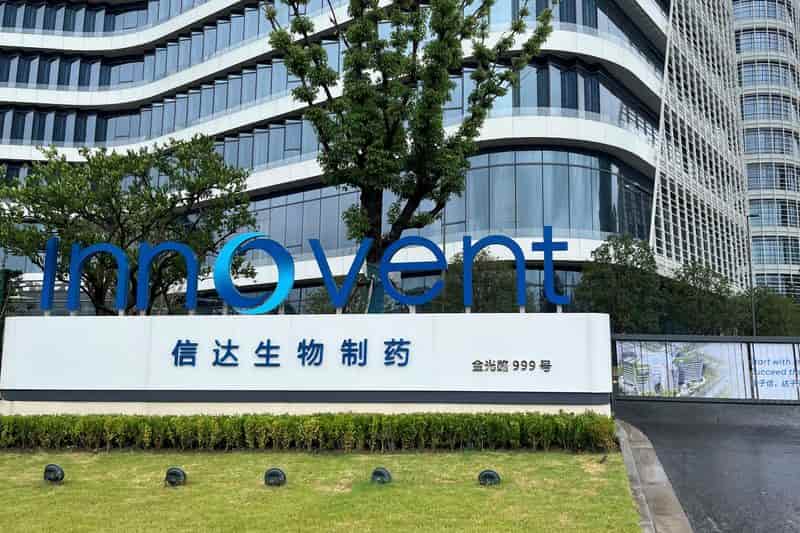
Conversely, major pharmaceutical companies, including Pfizer, have lobbied the administration against broad restrictions. Pfizer CEO Albert Bourla has stated that licensing medicines from Chinese companies does not present a national security concern and that restricting such deals would not be an effective way to compete with China. He emphasized that the primary goal should be the development of new medicines, regardless of their origin. Recent significant collaborations include Bristol Myers Squibb's up to $15.2 billion partnership with Jiangsu Hengrui Pharma and Pfizer's up to $10.5 billion collaboration with Innovent Biologics covering 12 oncology programs.