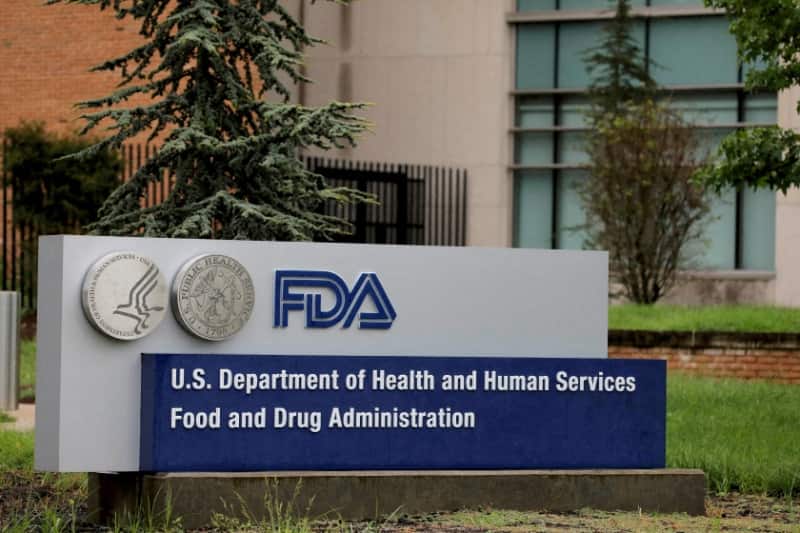
Experts called on the U.S. Food and Drug Administration to establish clear safety and access standards for psychedelic therapies during a public meeting. The discussions focused on provider training, patient screening, insurance coverage, and long-term data collection to ensure treatments are both effective and accessible.

The FDA's decisions on safety and access standards for psychedelic therapies will directly impact their availability to patients, influencing investment in the sector and the development of treatments for conditions like depression and PTSD.
Doctors, veterans, pharmacists, and therapists urged the U.S. Food and Drug Administration on Monday to establish clear safety and access standards for psychedelic therapies during a public meeting. The four-hour session was convened amid efforts to speed up the development of these treatments. Discussions focused on practical issues such as provider training and credentials, patient screening and monitoring, access and reimbursement, clinic capacity, and the collection of long-term safety data.
Experts emphasized that any approved psychedelic treatment must include trained staff during sessions, which could last six to 12 hours, along with proper screening, follow-up care, and community support. Speakers also advised researchers to collect data on various patient statuses, including menstrual phases, pregnancy, and postpartum status, warning that aggregate results could obscure differences in efficacy or adverse events. Melissa Lavasani, CEO of the Psychedelic Medicine Coalition, stated that important safety and treatment signals should not disappear inside population averages.
Accessibility was also a key concern, with experts noting that treatments would be inaccessible without insurance coverage. Amna Aslam, applied research specialist at Radial Health, commented, "Approval alone is not access. A breakthrough therapy nobody can reach is not a breakthrough — it is a press release."
In a related development, senior FDA officials, including Michael Davis, head of the agency's Center for Drug Evaluation and Research, published a paper in the New England Journal of Medicine outlining a framework for developing and approving psychedelic drugs. The paper suggested the FDA is willing to consider flexible trial designs to address challenges like "functional unblinding," where a drug's psychoactive effects reveal to participants which treatment they received. The American Psychiatric Association affirmed that the FDA's determination of safety and effectiveness must remain the foundation for any future clinical use. Industry executives believe this support could improve coordination between the FDA and the Drug Enforcement Administration and reduce regulatory delays, though treatments are likely still years away.