Key facts
- Thousands of Czech public media employees are on strike over government plans to alter funding.
- The proposed legislation would replace license fees with state budget allocations for Czech Television and Czech Radio.
- Critics warn the changes could lead to substantial budget cuts and increased political interference.
- The strike is the largest escalation in a months-long dispute between broadcasters and the government.
- Opposition parties and international media groups have expressed concerns about the bill's potential impact on media independence.
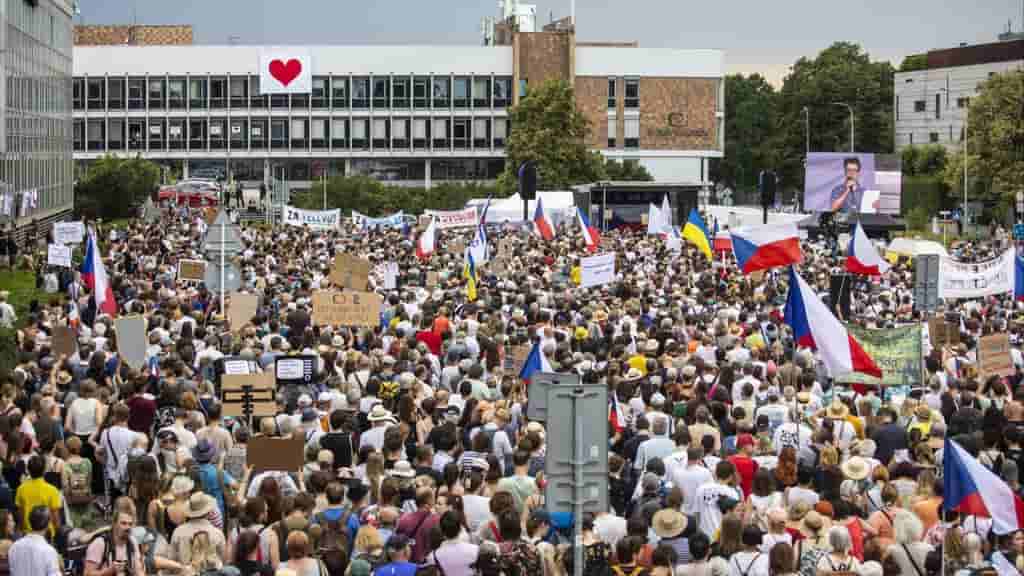
Thousands of public service media employees in the Czech Republic are on a 24-hour strike to protest controversial government plans to alter how public broadcasters are funded. The legislation, approved by the cabinet, seeks to replace the current license fee system with annual state budget allocations for Czech Television and Czech Radio.
Critics, including staff and opposition parties, argue that this shift will effectively cut funding to 2008 levels, leading to significant budget reductions of approximately £14.3 million for Czech Radio and £35.8 million for Czech Television. They also fear that direct state funding will expose the broadcasters to political pressure and interference, potentially compromising their independence and editorial freedom. Concerns have been raised about a return to a state-controlled media environment reminiscent of the pre-1989 era.
Government officials, including Prime Minister Andrej Babiš and Culture Minister Oto Klempíř, have rejected these claims, stating that the changes only affect the method of financing and do not alter the legal status or editorial guarantees of the broadcasters. They argue that the move is a trend seen in other European countries and that the broadcasters should operate more efficiently with less money.
The dispute has escalated with the strike, which is expected to affect most of Czech Television's channels and services, as well as alter programming schedules for Czech Radio. Media scholars describe the strike as a highly unusual event in recent Czech history, with opposition parties vowing to block the bill. The Pirate party has referred the changes to the European Commission and the Council of Europe’s Venice commission, and international media freedom groups have called on the European Commission to scrutinize the plans, citing potential violations of the European Media Freedom Act.