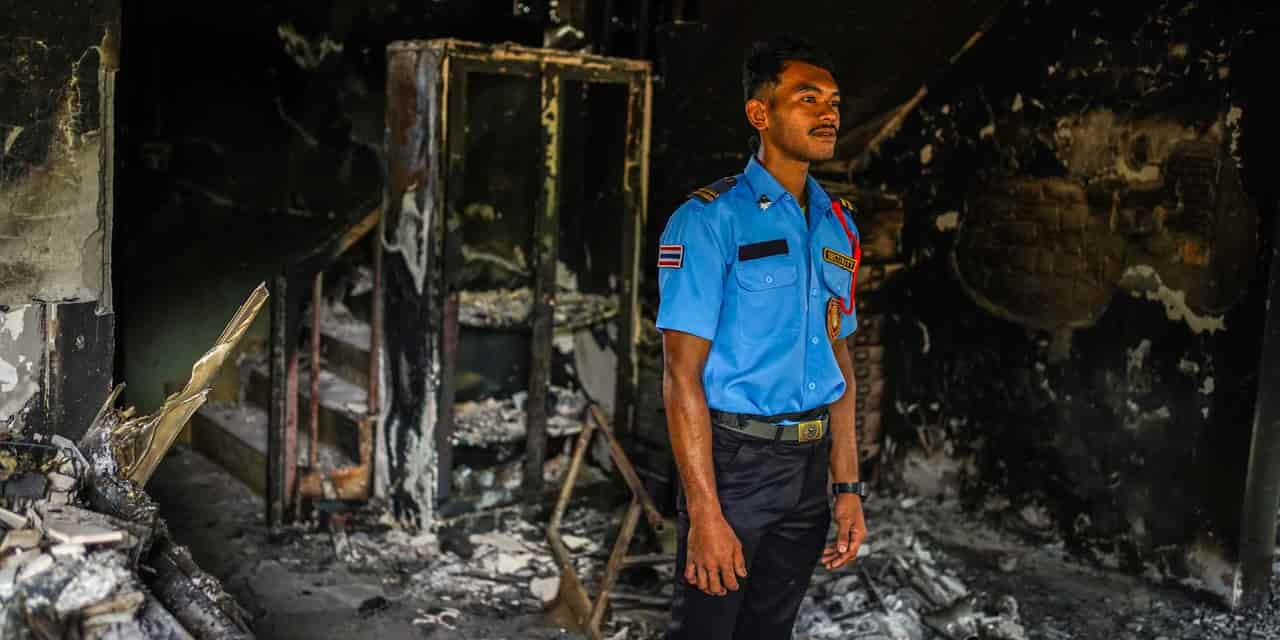
The conflict in Thailand's deep south, encompassing the provinces of Pattani, Yala, Narathiwat, and parts of Songkhla, has been ongoing for decades, resulting in significant loss of life and shattered families. Since the insurgency escalated in 2004, over 7,200 people have died. Formal peace dialogues were initiated in 2013 between the Thai government and insurgent groups, with Malaysia serving as the official facilitator. However, progress has been slow, and a lasting peace remains elusive.
The roots of the conflict trace back to the early 20th century when Siam (now Thailand) annexed the independent Malay sultanate of Pattani. This historical event, coupled with decades of assimilation policies that marginalized the local Malay-Muslim population's identity, religion, and culture, fueled deep resentment and resistance.
Sporadic violence simmered for years, but the insurgency dramatically escalated in 2004. A raid on an army camp marked a new, violent phase, followed by government crackdowns that included the Krue Se Mosque incident and the Tak Bai incident, which further inflamed local anger and served as recruitment tools for militant groups. The Barisan Revolusi Nasional (BRN) is currently the most prominent armed group, viewing its struggle as an anti-colonial fight against the Thai state.
Previous Thai governments often treated the conflict as a domestic criminal issue, but the administration of Prime Minister Yingluck Shinawatra marked a policy shift by signing a dialogue agreement with rebel representatives in 2013. This acknowledged the political nature of the violence and led to the establishment of formal talks hosted by Malaysia. Despite these efforts, the peace process has faced numerous challenges, and the region continues to experience violence, as evidenced by recent coordinated attacks.