Key facts
- A 14-point U.S.-Iran memorandum of understanding (MOU) is poised to be signed, aiming to de-escalate regional conflicts and reopen the Strait of Hormuz.
- The agreement includes an immediate ceasefire, the lifting of a U.S. naval blockade, and waivers for Iranian oil exports.
- Commercial traffic through the Strait of Hormuz is expected to resume near-normal levels within 30 days of the agreement.
- The U.S. Strategic Petroleum Reserve (SPR) is at its lowest level in 43 years, with approximately 340.25 million barrels as of June 12, 2026.
- The MOU's success could reduce the need for further draws on the SPR, which has been depleted due to emergency releases related to the conflict.
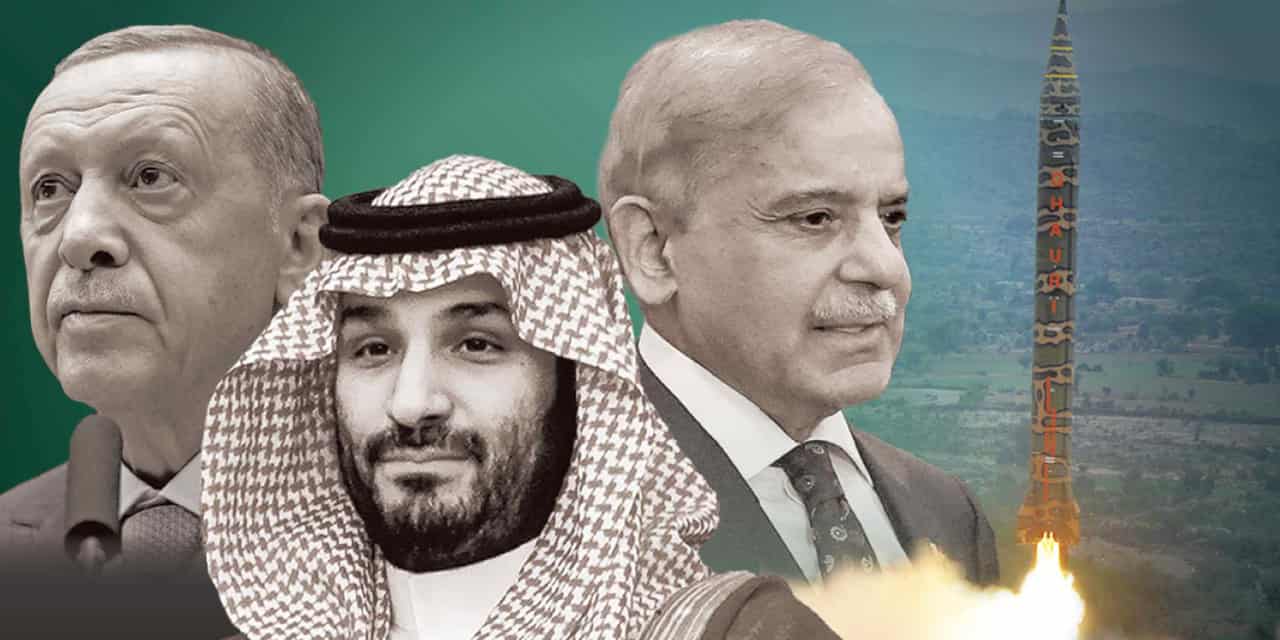
Amid ongoing conflicts in Ukraine and the Middle East, a growing number of nations are seeking to bolster their security by strengthening ties with nuclear-armed states. Concurrently, a potential breakthrough in the Middle East could significantly ease global supply chain issues. A 14-point U.S.-Iran memorandum of understanding (MOU) is slated for signing, aiming to de-escalate tensions, reopen the vital Strait of Hormuz, and initiate talks for a final agreement.
The proposed MOU includes several key provisions designed to rapidly impact global transportation and energy markets. These include an immediate ceasefire on all fronts, the lifting of the U.S. naval blockade, and Iran's commitment to clearing mines and obstacles in the Strait of Hormuz. The agreement also stipulates that commercial traffic should return to near-normal levels within 30 days, with Iran facilitating safe passage for 60 days. Crucially, the U.S. Treasury will issue waivers allowing Iran to sell crude oil, petrochemicals, and related products, alongside the release of approximately $24 billion or more in frozen funds.
These measures are expected to stabilize oil supplies, potentially lowering fuel prices for trucks, ships, and planes, thereby reducing costs across the entire supply chain. The deal also outlines a $300 billion economic development plan funded by regional partners. If signed, the MOU would initiate a clear timeline for de-escalation, with immediate effects including the cessation of fighting and the commencement of blockade removal and strait clearing operations. Broader sanctions relief could follow if negotiations on Iran's nuclear program and remaining sanctions are successful within the subsequent 60 days.
The timing of this potential agreement is critical, as the U.S. Strategic Petroleum Reserve (SPR) is currently at its lowest level in over 43 years, standing at approximately 340.25 million barrels as of the week ending June 12, 2026. Emergency releases tied to the Iran conflict and Strait of Hormuz disruptions have significantly depleted the reserve. The reopening of the strait could alleviate pressure on the SPR, though it remains at a historically vulnerable point.