All NewsEducationTVBrokers
Equities & FundsCrypto & Digital AssetsAI & TechnologyBusiness & CorporateUS Politics & PolicyGeopolitics & Global RiskMacro, Rates & FXCommodities & EnergyEuropean Politics & MarketsAsia-PacificReal Estate & Property
All NewsHome
← Back to Geopolitics & Global Risk

China scales back Pakistan infrastructure financing

Created at 8 Sep · 3:41 AM1 source↑ Market-relevant
IN SHORT

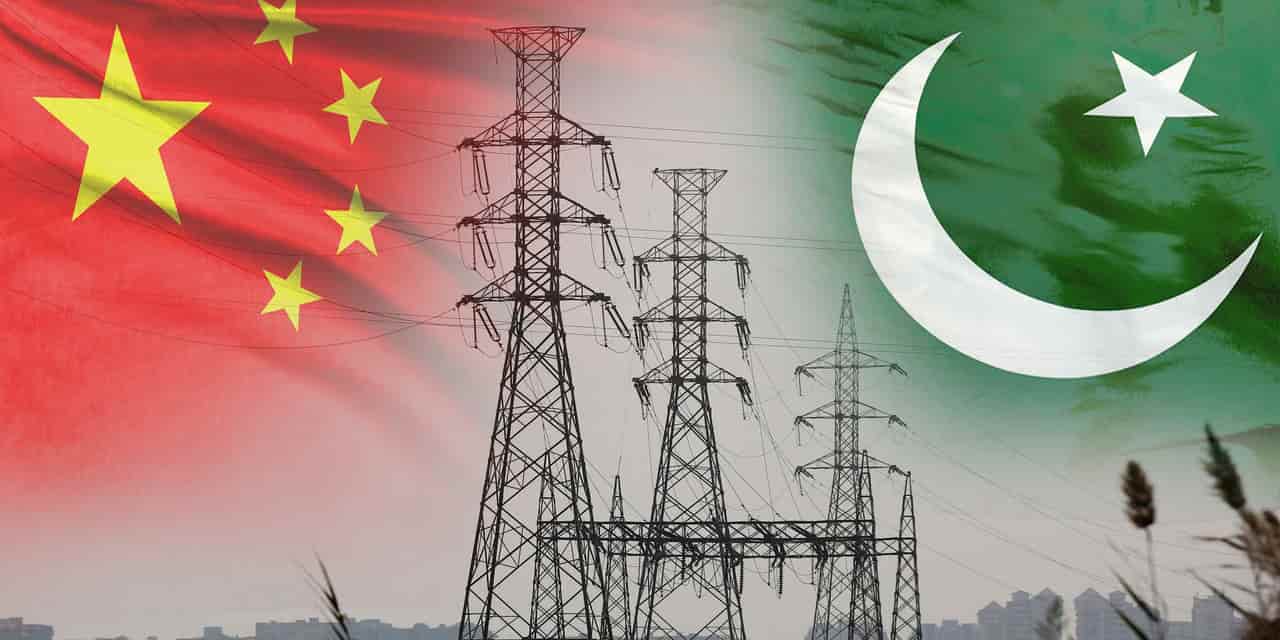
China's PowerChina subsidiary has withdrawn from acquiring a major Pakistani electricity distributor, signaling reduced Chinese interest in the country's power sector. Pakistan is now seeking ADB funding for a key railway project previously slated for Chinese investment.

Key Numbers

$60 billionChina's pledged investment in CPEC
1,800 kilometersML-1 railway upgrade length
$2 billionADB loan sought for ML-1
2015 and 2019Period of CPEC's early momentum
2022Completion of Gwadar East Bay Expressway
$410 millionADB pledge for Reko Diq project

Who's Involved

PowerChina
Chinese state-owned power company subsidiary
Asian Development Bank (ADB)
Multilateral lender providing financing
Barrick Gold
Canadian mining giant developing Reko Diq mine
China scales back Pakistan infrastructure financing

↳ Why This Matters

China's reduced investment in Pakistan's infrastructure signals a shift in geopolitical and economic partnerships, potentially impacting Pakistan's development trajectory and its reliance on a single strategic ally. It also highlights the financial and security risks associated with large-scale projects in the region.

Key facts

  • A PowerChina subsidiary has withdrawn from bidding on a major Pakistani electricity distribution company.
  • Pakistan is seeking $2 billion from the Asian Development Bank (ADB) for the Main Line-1 (ML-1) railway upgrade.
  • The ML-1 project was a cornerstone of the China-Pakistan Economic Corridor (CPEC).
  • China's withdrawal is linked to Pakistan's economic instability and security risks.
  • The ADB is also financing part of the Reko Diq copper and gold mine project.

China's enthusiasm for investing in Pakistan's power sector appears to be waning, with a subsidiary of PowerChina withdrawing from the race to acquire a major electricity distribution company. This move signals a significant decline in Chinese interest, despite long-standing ties through the Belt and Road Initiative (BRI).

Pakistan is now reportedly turning to the Asian Development Bank (ADB) for a $2 billion loan to fund a critical segment of its aging railway network, the Main Line-1 (ML-1) project. This project was initially envisioned as the centerpiece of the China-Pakistan Economic Corridor (CPEC), under which China had pledged approximately $60 billion for infrastructure. However, after years of stalled negotiations, Beijing has declined to finance the Karachi–Rohri segment of the ML-1, which spans roughly 1,800 kilometers from Karachi to Peshawar.

Reports suggest China's decision to disengage stems from concerns about the financial viability of the project, given Pakistan's deteriorating fiscal position and its difficulties in managing debt repayments, particularly to Chinese firms in the power sector. A broader recalibration of China's overseas investments, driven by its own economic challenges and reduced appetite for high-risk projects, is also a contributing factor. Persistent security concerns, including attacks on Chinese nationals in Pakistan, have further diminished the project's appeal.

The withdrawal marks a significant strategic recalibration for CPEC, which saw a flurry of activity between 2015 and 2019. While the Gwadar East Bay Expressway was completed in 2022, progress has since slowed, and unpaid dues to Chinese power producers have become a point of contention. The decision to involve the ADB in the ML-1 project could set a precedent for future infrastructure ventures.

The urgency to upgrade the ML-1 is amplified by the development of the Reko Diq copper and gold mine in Balochistan, one of the world's largest untapped mineral resources. The existing railway infrastructure is insufficient to support the expected volume of cargo from the mine, hindering its full economic potential. The ADB has also pledged $410 million toward the Reko Diq project, highlighting its increasing role in Pakistan's key development initiatives.

Frequently asked questions

China is reportedly concerned about Pakistan's financial instability, its debt repayment capacity, and security risks, alongside its own economic challenges and a reduced appetite for high-risk overseas projects.

The ML-1 is a major railway upgrade project in Pakistan, spanning approximately 1,800 kilometers from Karachi to Peshawar, intended to be a flagship component of the China-Pakistan Economic Corridor (CPEC).

The ADB's potential financing of the ML-1 project marks a shift, with a multilateral institution taking the lead on a project originally designed as a key part of China's Belt and Road Initiative.

What Happens Next

01Pakistan will continue negotiations with the ADB for the ML-1 railway project funding.
02The ADB will assess the feasibility of financing the Karachi–Rohri railway segment.
03Further developments are expected regarding the Reko Diq mine's logistical infrastructure.

How It Developed

A subsidiary of PowerChina has withdrawn from acquiring a major Pakistani electricity distribution company.
Pakistan is seeking a $2 billion loan from the Asian Development Bank (ADB) for the Main Line-1 (ML-1) railway project.
The ML-1 project was originally intended to be a flagship component of the China-Pakistan Economic Corridor (CPEC).
China's withdrawal from ML-1 financing is attributed to concerns about Pakistan's financial viability and its own economic headwinds.
Security concerns, including attacks on Chinese nationals in Pakistan, have also contributed to China's reduced engagement.
The ADB has also pledged $410 million toward the Reko Diq copper and gold mine project.

Sources

T1
China's exit from utility sales hints at declining interest in PakistanNikkei Asia
T2
China exits its biggest Pakistan project: What's happening?economictimes.indiatimes.com
T2
Pakistan Seeks Saudi Lifeline As China Refuses To Ease Power ... - News18news18.com
T2
The Unravelling of CPEC: China's Strategic Recalibration in Pakistansamvadaworld.com

Related Stories

Uzbekistan Scales Back Nuclear Cooperation With Russia
7 Sep · 6:36 PM
Bangladesh PM spurns Delhi BRICS summit amid new diplomatic approach
7 Sep · 4:38 AM
China's green tech challenges Trump's Africa oil strategy
7 Sep · 4:27 AM
China completes tunnel for Central Asia railway bypassing Russia
7 Sep · 4:28 AM
Myanmar military intensifies operations to retake China project areas
8 Sep · 12:06 AM