Key facts
- North Richland Hills, Texas, requested $2.3 million for public records on Flock camera usage.
- Officials claim searching Flock data would take 14 years of labor at $15 per hour.
- The Texas Privacy Coalition filed the request, calling the fee "ludicrous."
- Other agencies have charged up to $121,000 for similar Flock data requests.
- An ex-Texas cop pleaded guilty to 100 felony counts of misuse of official information related to Flock abuse.
- A federal judge ruled that a police search of a Flock database was an unconstitutional search.
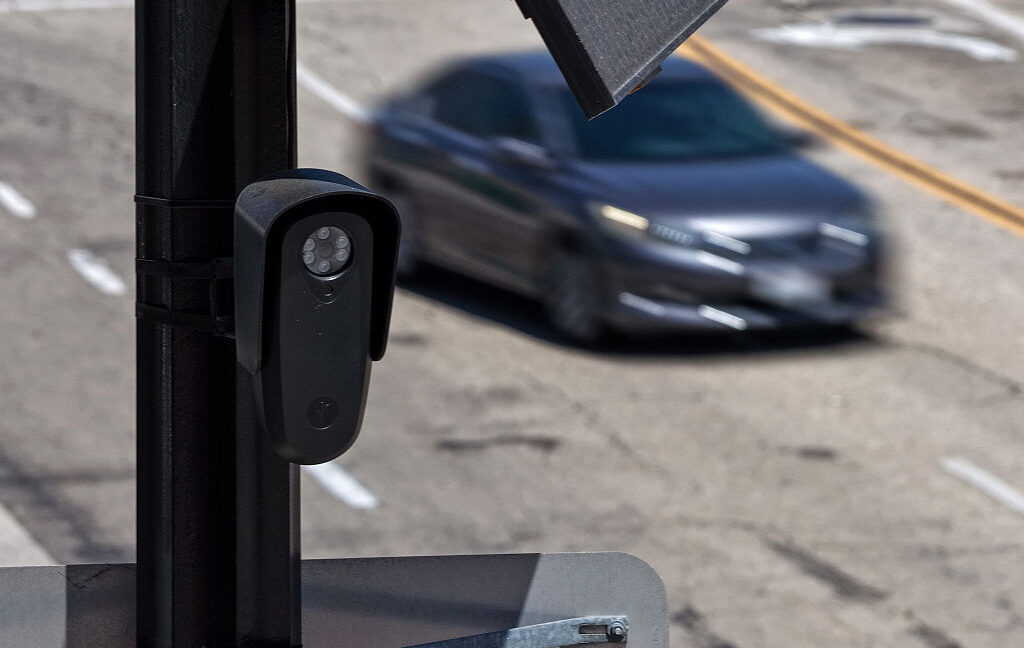
North Richland Hills, a suburb of Fort Worth, Texas, has demanded $2.3 million from a privacy advocacy group for public records related to the city's use of Flock surveillance cameras. Officials stated that fulfilling the request for data on errors, misuse, and effectiveness would require approximately 14 years of labor at $15 per hour.
Phil Mynona, representing the Texas Privacy Coalition, described the fee as "ludicrous" and suggested it was intended to obstruct public records searches. Mynona has filed similar requests with over 200 law enforcement agencies nationwide, noting significant variability in how cities assess fees for Flock data. While some agencies have provided extensive documentation for free, others have charged fees up to $121,000.
The high costs come as scrutiny of Flock's AI-enabled license plate readers intensifies. Critics argue that these systems can be used for invasive surveillance, including tracking individuals without lawful purpose. Recent events have highlighted potential abuses: an ex-Texas cop, Zachary Anthony Klein, pleaded guilty to 100 felony counts of misusing official information, stemming from his abuse of Flock data. This case prompted Texas Governor Greg Abbott to halt Flock funding and permit issuance.
Furthermore, a federal judge in Oklahoma recently ruled that a police officer's search of a Flock database was an unconstitutional search, arguing that the system constitutes "indiscriminate mass surveillance." While Flock maintains its technology is for public safety and courts have generally permitted database access, this ruling, though not setting precedent, signals a growing legal challenge to the technology's privacy implications. Audits suggest hundreds of thousands of warrantless searches of the Flock system occur monthly, sometimes leading to wrongful arrests.
Transparency regarding Flock camera deployment, data access, and storage remains limited. Although Flock offers "transparency portals" for agencies to share information, few have opted in. In Texas, only 59 out of hundreds of agencies using Flock cameras utilize these portals, with just 16 sharing data publicly. Advocates warn that without greater transparency and potential warrant requirements, the widespread use of Flock cameras will continue to raise privacy concerns.