Key facts
- Tesla launched its Cybercab robotaxi service in Austin, Texas.
- The Cybercab is a two-seater vehicle designed without a steering wheel or pedals.
- Tesla has registered 45 Cybercabs for the robotaxi fleet.
- The Cybercab operates under Texas's self-certification framework for autonomous vehicles.
- The US National Highway Traffic Safety Administration has opened an audit into approximately 1,000 Tesla Cybercabs.
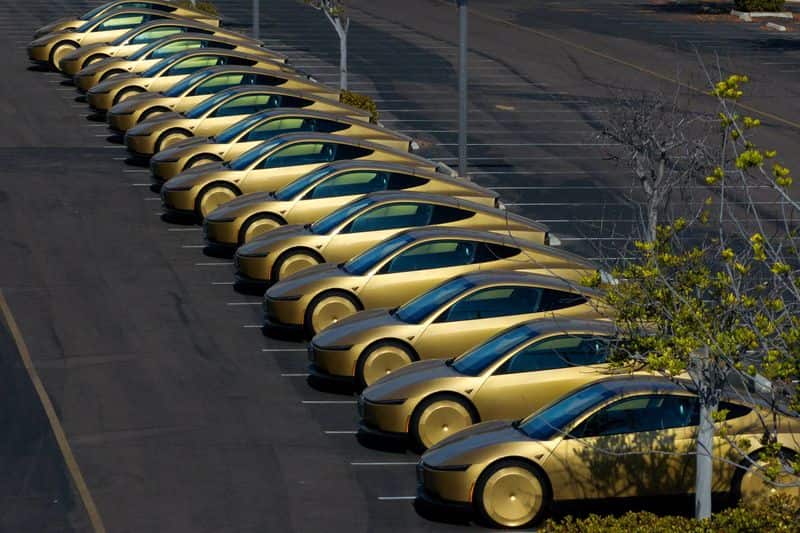
Tesla has launched its Cybercab robotaxi service in Austin, Texas, making the two-seater, steering-wheel-free vehicle available for public rides. The announcement came during an invite-only event where Tesla's VP of AI, Ashok Elluswamy, confirmed the Cybercab's addition to the company's robotaxi fleet. Tesla has registered 45 Cybercabs for this service. The Cybercab, designed for full autonomy, operates under Texas's self-certification framework for autonomous vehicles, a system that does not require independent regulatory approval. Videos shared by attendees demonstrated features such as hailing the vehicle via a dedicated app and automatic door operation. CEO Elon Musk has previously described the Cybercab as a key component of Tesla's driverless ambitions, envisioning it as a low-cost vehicle produced at scale, with a target price under $30,000. Tesla is also exploring options for consumers to purchase Cybercabs for integration into the fleet. However, the U.S. National Highway Traffic Safety Administration (NHTSA) has opened an audit into approximately 1,000 Cybercab vehicles, examining the process and technical data Tesla relied on to claim compliance with federal vehicle safety standards. The agency noted the Cybercab lacks conventional manual controls like a steering wheel or brake pedal.