Key facts
- Southern Water was fined £2.4 million for sewage pollution in Kent.
- The incidents occurred between 2019 and 2021.
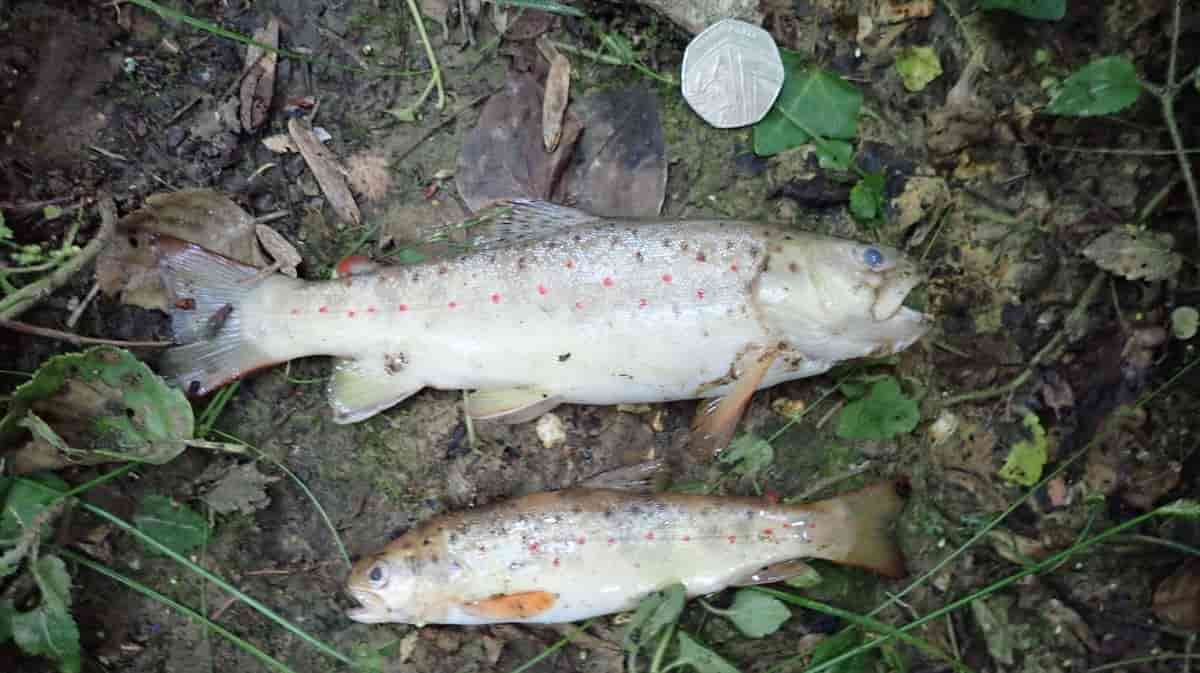
- Untreated sewage was discharged into Swalecliffe Brook, leading to approximately 70 dead fish being found.
- Further dumping prompted warnings against swimming at Tankerton and Herne Bay beaches.
- The company previously paid over £7 million in July for similar offenses.
Southern Water has been fined £2.4 million for environmental pollution after untreated sewage was discharged into waterways in Kent between 2019 and 2021. The penalty was handed down at Bromley Magistrates’ Court.
The incidents included untreated sewage being poured into Swalecliffe Brook in Whitstable from a wastewater pumping station, where investigators found around 70 dead fish, including eels, in August 2021. Later that month, further illegal dumping led Canterbury City Council to issue warnings against swimming at Tankerton and Herne Bay beaches due to water quality concerns. The waste also affected Whitstable Harbour, a designated shellfishery.
This latest sentencing follows a previous fine of over £7 million in July for sewage discharges at Margate and Broadstairs wastewater pumping stations between 2019 and 2021. The Environment Agency stated that the pollution could have been avoided if Southern Water had managed its operations better and had the necessary checks in place.
Other incidents involved untreated sewage dumped into Faversham Creek over three days in March 2020 due to pump failures, with Southern Water failing to report the circumstances to the regulator. Similar incidents of sewage and debris flowing into Swalecliffe Brook and the sea occurred in March and October 2020.
Southern Water pleaded guilty to five charges in April at Medway Magistrates’ Court. A spokesman for the company apologised for the incidents, attributing the pollution at Faversham Creek and Swalecliffe Brook to extremely heavy rainfall that overwhelmed their network. The spokesman added that the company has since invested more than £35 million in Swalecliffe since April 2020 to improve its network's performance and resilience, resulting in a 36% reduction in storm overflows since 2023.