Key facts
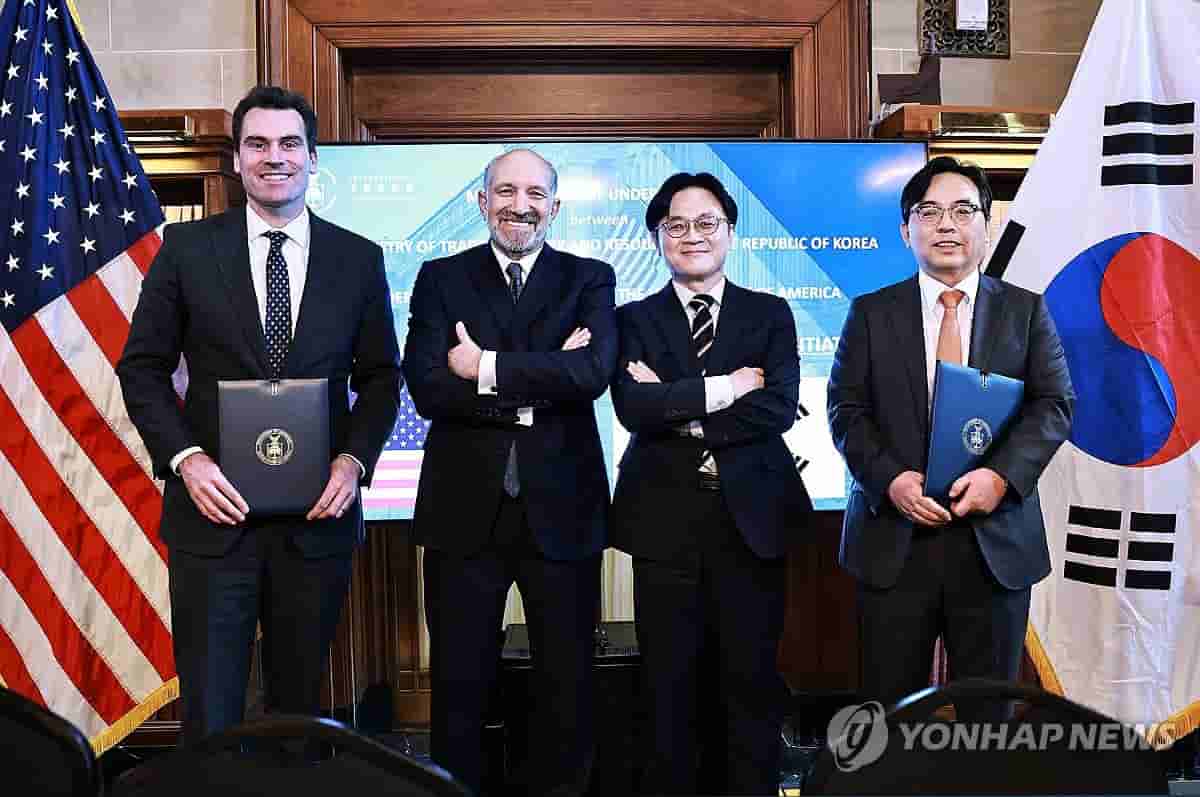
- South Korean Industry Minister Kim Jung-kwan is visiting the U.S. this week.
- The visit includes potential discussions on the data leak investigation involving e-commerce firm Coupang.
- U.S. officials and lawmakers have expressed concerns that South Korea's actions against Coupang may be discriminatory.
- South Korea insists the investigation is impartial and not targeting American companies.
- A data leak at Coupang reportedly affected over 33 million customers.
- South Korean regulators fined Coupang 625 billion won ($422.62 million) in June.
South Korean Industry Minister Kim Jung-kwan is set to visit the United States this week, with discussions expected to include bilateral issues and the ongoing dispute surrounding e-commerce giant Coupang. The tensions stem from South Korea's decision to fine Coupang over a data leak, a move that has drawn criticism from Washington and raised concerns about Seoul's approach to American tech companies.
Ambassador Kang Kyung-wha has returned to Seoul for consultations amid the escalating dispute. The U.S. State Department has expressed significant concerns that changes to South Korea's communications laws could lead to excessive content regulation and undermine free speech, affecting platforms like Google, Meta, X, and TikTok. Some South Korean lawmakers believe Washington is using the Coupang case as a test of Seoul's openness to U.S. business, rather than treating it as a domestic privacy issue.
South Korea's Foreign Ministry has stated that the Coupang matter should be handled separately from security negotiations, including South Korea's ambition to build nuclear-powered submarines, a plan previously endorsed by U.S. President Donald Trump. Coupang has expressed hope for a constructive resolution and is reportedly seeking a fair technical review and appropriate penalty after the data leak, which impacted over 33 million customers and resulted in a 625 billion won fine. The U.S. House Judiciary Committee has accused South Korea of targeting and harassing U.S. companies, claims that Seoul has rejected.