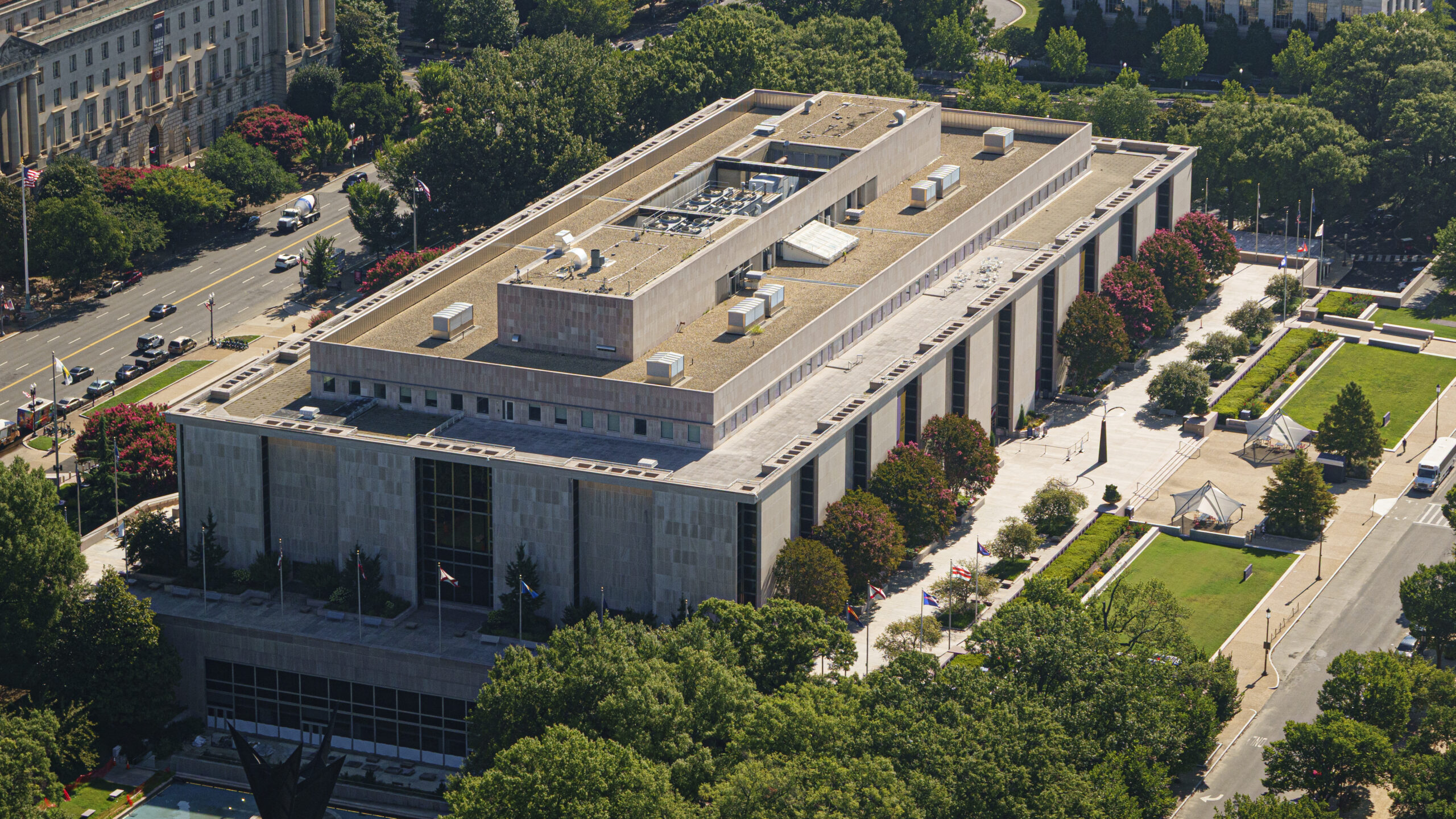
Key facts
- The Smithsonian Institution is facing pressure from the Trump administration over its exhibits.
- A White House report in July accused the museum of 'ideological capture'.
- President Trump signed an executive order in March 2025 criticizing the Smithsonian's 'divisive, race-centered ideology'.
- Two House committees held hearings in July questioning the museum's director.
- Interior Secretary Doug Burgum sent a letter in late August warning of continued federal agency support.
- Smithsonian Secretary Lonnie Bunch announced his resignation on September 8.
The Smithsonian Institution, a prominent cultural and historical institution in the United States, has become a focal point in the ongoing culture war, particularly under the Trump administration. A White House report released in July accused the museum of ideological capture, arguing that its exhibits have shifted from straightforward historical education to political activism. This criticism was amplified by an executive order signed by President Donald Trump in March 2025, which declared the Smithsonian had embraced 'divisive, race-centered ideology.'
In July, two House committees held hearings where Republican members questioned Smithsonian Director Anthea Hartig about specific exhibit items, including one described as a 'chrome and rubber crotch harness.' Following these hearings, Trump signed another executive order directing the Department of the Interior to place warning signs outside the museum about its perceived ideological capture. Although these signs have not yet been erected, Interior Secretary Doug Burgum sent a letter to the Smithsonian's Board of Regents in late August, stating that federal agencies could not continue to support the institution under its current leadership.
The Smithsonian, which relies on the federal government for 62% of its over $1 billion annual funding, is governed by an independent board. However, the pressure has led to significant stress, with Smithsonian Secretary Lonnie Bunch announcing his resignation on September 8, citing the demanding nature of the role. The battle over the Smithsonian's narrative is seen by some as another instance of Trump attempting to assert his influence on national institutions, though complaints about the museum's direction had been lodged by board members even before his return to office. The institution, particularly the National Museum of American History, has long grappled with presenting a unifying national narrative, a challenge that left it vulnerable to criticism from an administration seeking to counter perceived 'woke' excesses.