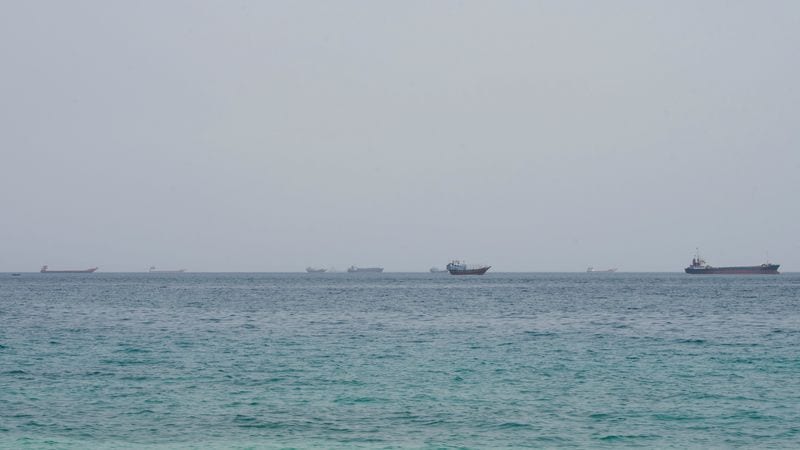
Key facts
- Iran has threatened military action in the Strait of Hormuz if US diplomacy fails.
- Vessel traffic through the Strait of Hormuz has significantly decreased, falling 19.5% last week.
- Somali piracy has surged due to increased shipping traffic around Africa and diverted naval resources.
- Iran and Oman are in talks to establish a secure maritime transit route through the Strait of Hormuz.
- Turkish Foreign Minister Hakan Fidan discussed efforts to open the Strait of Hormuz and continue a US-Iran ceasefire with his Iranian counterpart.
Vessel traffic through the Strait of Hormuz has significantly slowed, with confirmed crossings falling 19.5% last week to 95, reaching just three on August 16, according to data analysis firm Kpler. Vessels utilized the Iranian side of the strait or undermined routes, while no crossings were recorded through the Hormuz TSS or Omani routes. This decline contradicts claims by U.S. Energy Secretary Chris Wright that Middle East oil exports have rebounded to 15 million barrels per day. Meanwhile, traffic through the Bab al-Mandeb Strait increased 6.7% to 254 vessels, despite security concerns.
Iran has threatened to escalate tensions and launch military attacks if an interim peace deal with the U.S. is not implemented within weeks, warning of an offensive in the Strait of Hormuz if diplomacy fails. Concurrently, Iran and Oman are engaged in talks to establish a secure maritime transit route through the Strait of Hormuz.
The slowdown in Hormuz traffic has forced hundreds of commercial ships onto longer routes around Africa, contributing to a surge in Somali piracy. This resurgence is linked to the increased traffic, the diversion of naval resources to the Persian Gulf and Red Sea, and enhanced sophistication among pirate groups. US Central Command stated that its navy has redirected 64 commercial ships during its blockade of the Strait of Hormuz since mid-July, disabling three and boarding two to ensure compliance.