Key facts
- The Ebola outbreak in the Democratic Republic of Congo is now the deadliest in the country's history.
- The outbreak has caused 2,325 deaths and 4,945 confirmed cases.
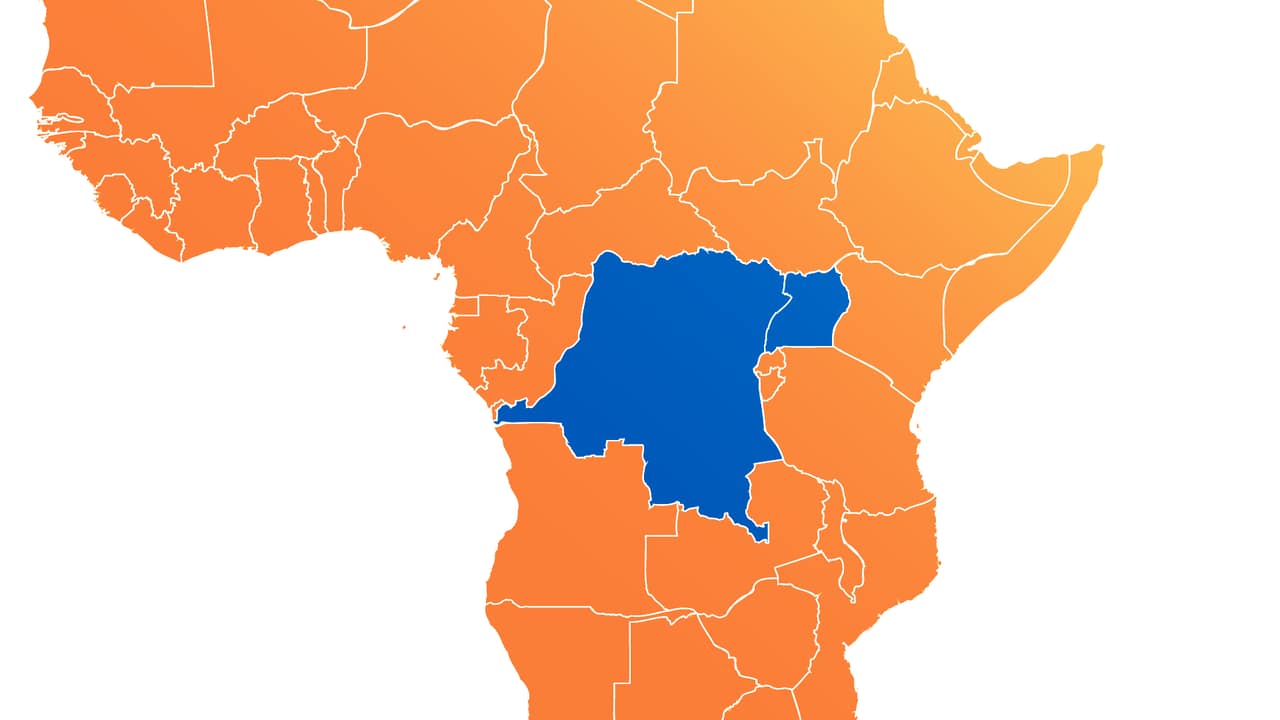
- The virus has spread to six of the DRC's 26 provinces and into neighboring Uganda.
- There are no approved vaccines or treatments for the Bundibugyo strain responsible for the outbreak.
- Clinical trials for new vaccines and antiviral therapies are underway.
The Ebola outbreak in the Democratic Republic of Congo (DRC) has become the deadliest in the country's history, surpassing the 2018-2020 outbreak with at least 2,325 deaths and 4,945 confirmed cases. Public health officials noted the epidemic is the fastest growing on record, with UN humanitarian chief Tom Fletcher warning that the virus is killing someone every 30 minutes. The outbreak has spread to six of the DRC's 26 provinces, with Ituri province being particularly affected. Neighboring Uganda has also confirmed 20 cases. The World Health Organization has described the pace of transmission in the DRC as 'exceptional,' noting that it took nearly five months for the 2014-2016 West Africa outbreak to reach 1,000 fatalities, while the current outbreak reached 2,000 deaths in less than three months. This marks the 17th Ebola outbreak in the DRC since the virus was discovered 50 years ago. Challenges in controlling the spread include years of conflict and a highly mobile population. Currently, there is no approved vaccine for the Bundibugyo species causing this epidemic, though several are in development. The UK's medicines regulator has approved the first human trials for a vaccine developed by the University of Oxford, based on technology used for the AstraZeneca Covid-19 vaccine. The WHO is also sponsoring a trial for two existing antiviral therapies.