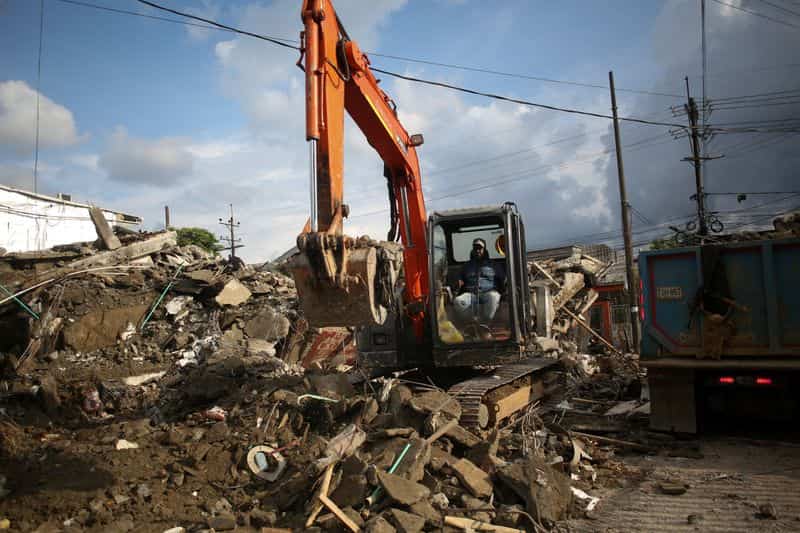
Search teams continue to comb through rubble in western Colombia nearly a week after a 7.4-magnitude earthquake devastated cities and towns. The death toll has risen to around 290, with hundreds missing and thousands injured, as rescue efforts increasingly shift to body recovery.

The earthquake has caused widespread devastation, resulting in hundreds of deaths, thousands injured, and significant displacement, presenting a major humanitarian and reconstruction challenge for Colombia and its new president.
Search teams continued to comb through the rubble of collapsed buildings in western Colombia on Sunday, nearly a week after a powerful 7.4-magnitude earthquake devastated cities and towns. Official estimates put the death toll at around 290, with 140 people still missing and nearly 4,000 injured. More than two-thirds of the deaths were concentrated in Cali and Pereira, where apartment blocks, homes, churches, schools and hospitals were damaged or destroyed.
In Cali, emergency workers searched unstable piles of concrete and twisted metal as rescue efforts increasingly gave way to the recovery of bodies. Aftershocks have added to the danger for crews working in damaged neighborhoods and for residents still unable to return home. As hopes of finding more survivors dimmed, the relief operation was expanding.
In Bogota, a stadium has been turned into the country's biggest donation collection center, with volunteers sorting and loading food, clothing, medicine, and other basic supplies for affected areas. Coordinating organization Sencia said more than 7,000 volunteers had helped dispatch 700 tons of aid over five days.
In Pereira, authorities were extending emergency help to injured pets and distributing donated animal food. The quake is the first major crisis facing President Abelardo De La Espriella, who took office just days before the disaster. Colombian billionaire banker Jaime Gilinski will donate 150 billion Colombian pesos ($47.75 million) to rebuild hospitals and schools in his hometown Cali.