Key facts
- Iran's top negotiator stated the Strait of Hormuz will remain closed until the U.S. fulfills commitments from an expired June memorandum of understanding.
- These commitments include lifting sanctions, releasing frozen assets, and ending threats.
- U.S. President Donald Trump stated no talks are scheduled with Iran and the Strait of Hormuz is open.
- Qatar suggested an agreement on opening the Strait of Hormuz could facilitate renewed negotiations between the U.S. and Iran.
Iran's parliament speaker and chief negotiator, Mohammad Bagher Ghalibaf, stated that the Strait of Hormuz will remain closed until the U.S. fulfills commitments made under an expired ceasefire agreement signed in June. The memorandum of understanding (MoU), which had a 60-day deadline, aimed to negotiate an end to the war, reach a deal on Iran's nuclear program, and ensure safe passage through Hormuz, with provisions for the U.S. to ease economic and sanctions pressure on Iran.
The deadline expired on Monday, and the MoU collapsed in mid-July following disputes over the strait's control and administration, during which Iran targeted several vessels and the U.S. reinstated its naval blockade. Ghalibaf asserted that the strait "will not reopen until the US commitments in the memorandum, including lifting the blockade, releasing the frozen assets, lifting the oil embargo, ending the threats and military operations on all fronts, and other conditions that the US committed to."
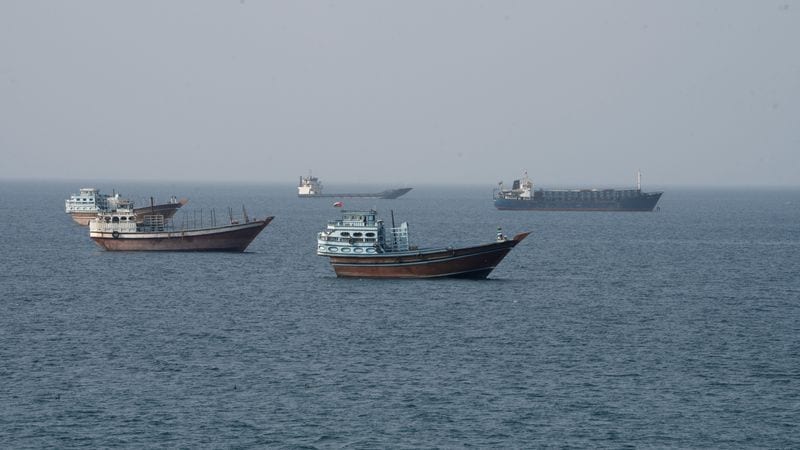
Hostilities in the region have decreased since the MoU's collapse, but Iran has continued attacks on shipping, restricting vessel transits through Hormuz. According to maritime security firm Windward, only 12 vessels crossed the strait on August 16, compared to well over 100 daily crossings before the war began in late February.
Conversely, U.S. President Donald Trump stated that no talks are scheduled with Iran and that the Strait of Hormuz is open. This contradicts Iran's negotiator's stance and earlier remarks by Jared Kushner, Trump's son-in-law and special envoy, who had expressed optimism about ongoing talks. Qatar has suggested that an agreement between Iran and Oman concerning the Strait of Hormuz could facilitate renewed negotiations between the U.S. and Iran.